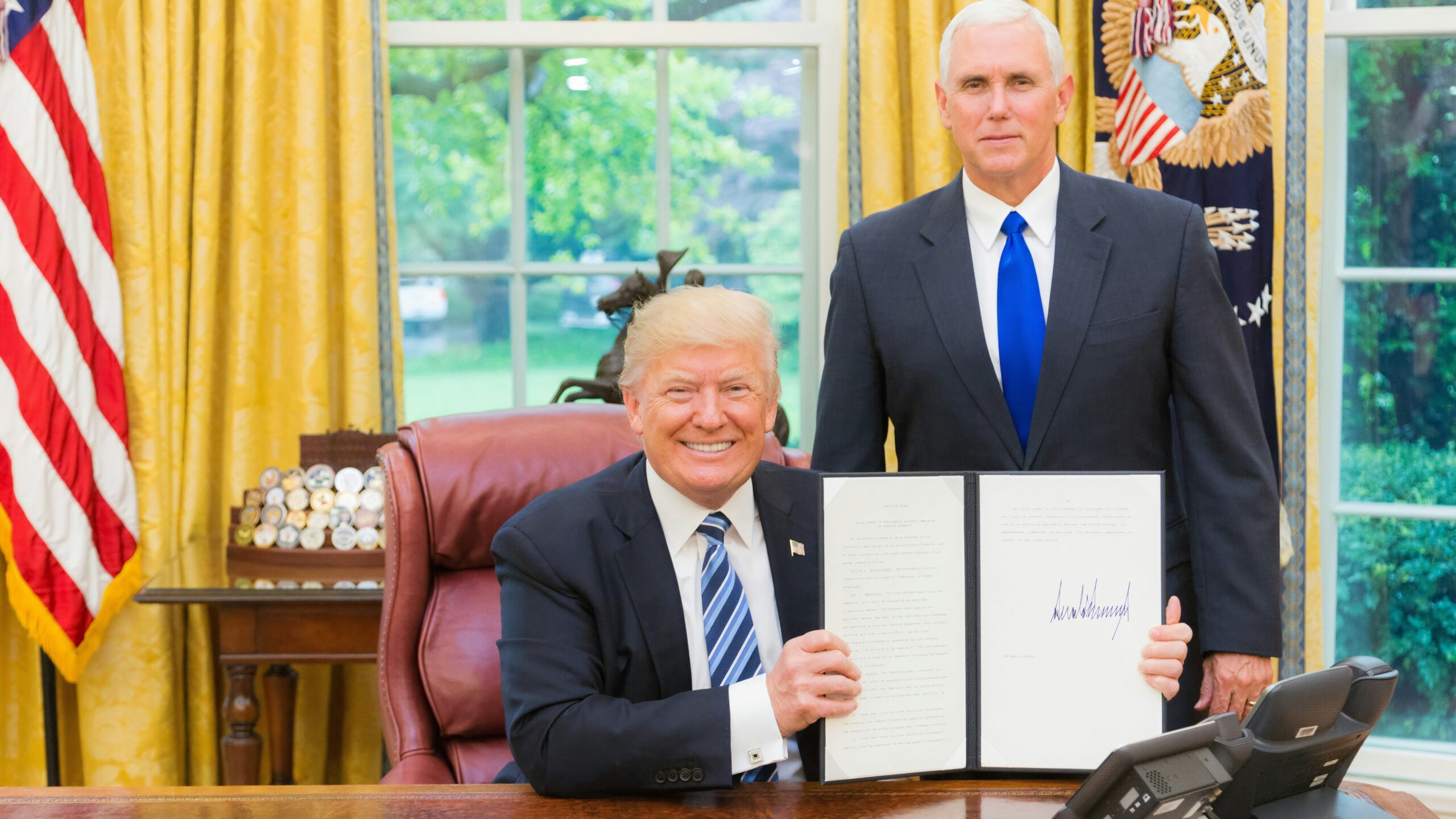
A year ago, filling up a midsize sedan cost about $50. Today, that same tank runs closer to $65, and for families with two cars and a long commute, the difference is eating into grocery budgets, vacation plans, and monthly savings. Gasoline prices have climbed 28.4% over the past 12 months, overall inflation has reached 3.8%, and the U.S. military campaign against Iran is generating a war bill that Pentagon officials have pegged at roughly $29 billion in congressional briefings. President Donald Trump’s answer: suspend the 18.4-cent federal gas tax, a move his administration says would save a typical family about $35 over the course of a year.
That is less than what many households now spend on a single fill-up. The gap between the scale of the crisis and the size of the proposed fix has drawn pointed questions from economists, consumer advocates, and members of both parties in Congress.
Gas prices and inflation by the numbers
The Bureau of Labor Statistics Consumer Price Index for April 2026 measured a 3.8% increase in the CPI-U (all items, all urban consumers) over the prior 12 months. Gasoline was the sharpest mover: the BLS gasoline index jumped 28.4% year over year, and the broader energy index rose 17.9%.
The Bureau of Transportation Statistics independently confirmed the same 28.4% gasoline figure in its April 2026 transportation price report, identifying fuel as the single largest driver of rising transportation costs. When two federal agencies using different survey methods land on the same number, the underlying price shock is not a statistical artifact.
The spike traces directly to the Iran conflict. U.S. sanctions on Iranian crude exports, combined with intermittent disruptions near the Strait of Hormuz, have tightened global oil supply at a moment when OPEC+ production cuts were already keeping markets lean. Brent crude has hovered above $100 a barrel for much of 2026, and those costs flow straight to the pump.
For a household that burns roughly 1,000 gallons a year, a common benchmark drawn from Energy Information Administration consumption data, a 28.4% increase on fuel that averaged about $3.50 a gallon a year ago translates to roughly $1,000 in added annual costs. That figure varies by region, vehicle, and commute length, but it dwarfs the proposed relief by any calculation.
The $29 billion war tab
In May 2026, Pentagon Comptroller Jay Hurst III appeared before the House Appropriations Committee for a budget hearing that included the cost trajectory of the Iran campaign. The hearing notice and witness list are public record.
Multiple news accounts of that session cite a $29 billion cost estimate delivered by senior defense officials. As of late May 2026, however, neither a published transcript nor formal written testimony has been released by the committee or the Defense Department. Until official documentation appears, the figure should be understood as a reported estimate rather than a confirmed appropriation. That said, the order of magnitude is consistent with historical precedent: the Congressional Research Service has documented that sustained U.S. military operations in the Middle East routinely reach tens of billions of dollars within the first year, and the Congressional Budget Office’s most recent baseline does not yet incorporate supplemental war-funding requests.
What the gas tax holiday would actually deliver
Trump has said he would move to suspend the federal gas tax, which stands at 18.4 cents per gallon for gasoline and 24.4 cents for diesel under 26 U.S.C. § 4081. The rate has not been adjusted since 1993. Had it kept pace with inflation, it would be roughly 39 cents today.
The math on household savings depends on how many gallons a family uses and how long the suspension lasts. At 1,000 gallons a year, a full 12-month suspension would save $184 before accounting for supply-chain pass-through. The $35 figure cited by the administration implies either a much shorter suspension window (roughly two to three months) or a lower consumption assumption closer to 190 gallons. The White House has not published the underlying calculation.
Even the more generous $184 figure may not reach drivers intact. The federal gas tax is levied at the wholesale level, and refiners and retailers face no legal obligation to pass a suspension through to the pump. During state-level gas tax holidays in Maryland, Georgia, and Connecticut in 2022, researchers at the Penn Wharton Budget Model found that consumers captured only about 60% to 80% of the tax cut, with the rest absorbed by margins elsewhere in the supply chain. Applied to the federal rate, that means a family burning 1,000 gallons might actually see $110 to $147 in pump savings over a full year, not $184.
A suspension would also drain revenue from the Highway Trust Fund, which finances road and bridge construction across all 50 states. The fund collected about $43 billion in fuel-tax revenue in fiscal year 2024, according to the Congressional Budget Office. Lawmakers have not introduced bill text specifying how long a holiday would last, when it would start, or how the lost revenue would be replaced.
Where Congress stands
As of late May 2026, no formal legislation has appeared in the congressional docket. There are no on-the-record commitments from House or Senate leadership about scheduling a vote, and basic design questions remain open: Would diesel be included? Would there be a sunset clause? Would general-fund transfers backfill the Highway Trust Fund, or would states absorb the shortfall in deferred maintenance and delayed projects?
The idea has a long political pedigree and a thin legislative track record. In 2008, Senators John McCain and Hillary Clinton proposed competing gas tax holidays during the presidential campaign; neither advanced. In 2022, President Joe Biden called for a three-month federal suspension that Congress never passed. The pattern is consistent: gas tax holidays poll well and die quietly.
Marc Goldwein, senior vice president at the Committee for a Responsible Federal Budget, has called gas tax holidays “the fiscal policy equivalent of a sugar rush” that provides a brief jolt without addressing underlying costs. That critique has resurfaced in 2026 from budget hawks in both parties who argue that the scale of the current price shock demands a response that matches it.
Why the scale gap keeps growing
Set aside the politics and the arithmetic is stark. A military conflict has helped push gasoline prices up nearly 30% in a single year, adding roughly $80 or more per month to the fuel bills of millions of households. The proposed federal response would offset somewhere between $3 and $15 of that monthly hit, depending on consumption, suspension length, and how much of the tax cut actually reaches the pump.
The most reliable data points in this debate are the ones published by federal statistical agencies: a 28.4% gasoline price increase, a 3.8% CPI-U inflation rate, and a statutory tax rate of 18.4 cents per gallon that has been frozen for more than three decades. Those numbers are not in dispute.
What remains genuinely uncertain is the full cost of the Iran conflict, the likelihood that Congress will act, and whether a tax holiday of any duration would deliver meaningful relief to the families absorbing the brunt of higher prices right now. Until a bill is introduced and the Pentagon publishes detailed cost figures, the distance between the problem and the proposed fix will be measurable at every gas station in the country.