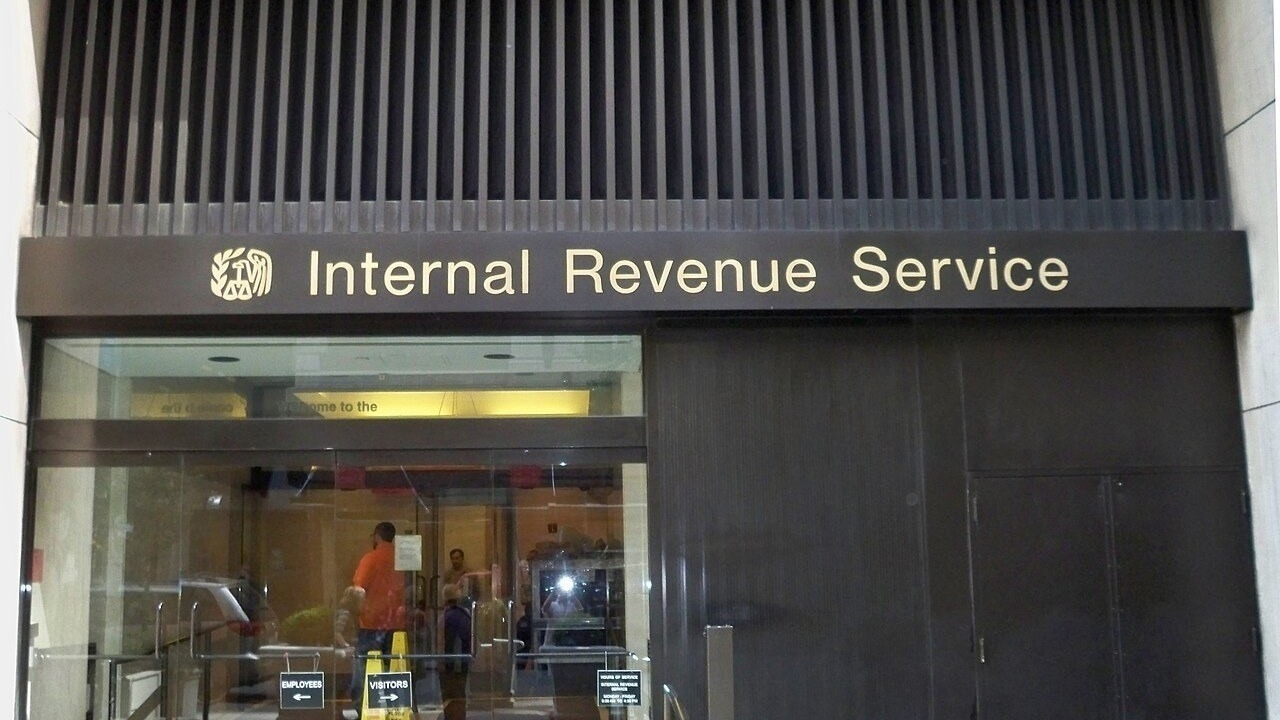
A retiree living on a fixed income who falls behind on a tax bill often pictures the worst: a frozen bank account, a garnished Social Security check, a lien on the house. What far fewer people know is that the Internal Revenue Service has a formal way to hit pause. When paying a tax debt would leave someone unable to afford food, housing, and other basics, the agency can move the account into a status that stops active collection — not as a favor, but as its own written policy.
What “Currently Not Collectible” Really Means
The IRS calls this designation Currently Not Collectible, or CNC. According to the Taxpayer Advocate Service, an independent watchdog inside the agency, an account can be reported Currently Not Collectible when a taxpayer cannot pay both the tax debt and reasonable basic living expenses. The standard is hardship, not income level — there is no fixed dollar cutoff. The agency looks at whether, after covering necessities like food, utilities, housing, and health care, anything is realistically left over to send toward the balance.
Once an account is placed in CNC status, the IRS temporarily halts active collection. That means it generally stops levying wages, bank accounts, and benefits while the hardship persists. For someone stretched to the edge, the difference between a garnished check and an untouched one can be the difference between keeping the lights on and not.
Free retirement updates: Enrollment and claim windows come and go, and missing one can cost real money. The free Retirement Shield newsletter keeps readers ahead of the deadlines that matter. Sign up free for the Retirement Shield newsletter.
Proving the Hardship to the IRS
The status is not automatic, and it is not granted on a phone call alone. The IRS typically asks the taxpayer to document the hardship with a Collection Information Statement — a detailed accounting of monthly income, monthly living expenses, and assets. The agency measures claimed expenses against national and local allowable-living-expense standards it publishes, which cap how much it will accept for categories like food, housing, and transportation.
If the numbers show there is genuinely nothing left to pay after necessities, the account can be coded CNC. Because the determination rests on current finances, a retiree whose income has dropped or whose medical costs have climbed may qualify even if an earlier request would have failed. The burden is on the taxpayer to show the math, which is why organized records of income and bills matter so much.
What the Pause Does Not Do
CNC status is a reprieve, not a pardon, and the fine print carries real teeth. The tax debt is not forgiven or erased — the full balance still stands, and penalties and interest keep accruing the entire time the account sits uncollectible. A balance can quietly grow larger during the very period collection is stopped.
The IRS can also still file a Notice of Federal Tax Lien even while an account is in CNC status. A lien is a public claim against the taxpayer’s property that can damage the ability to get credit or sell a home, and it operates separately from the levies that CNC status suspends. On top of that, the agency reviews CNC accounts periodically, usually by watching future income; if a taxpayer’s finances improve — through a new pension, an inheritance, or higher earnings — the IRS can lift the status and restart collection.
How the Ten-Year Clock Keeps Ticking
One feature of CNC status quietly works in the taxpayer’s favor. The government generally has ten years from the date a tax is assessed to collect it, a window known as the collection statute of limitations. That clock keeps running while an account is Currently Not Collectible. If the hardship lasts long enough, a portion — or even all — of the debt can expire before the IRS ever collects it, a possibility the agency’s own collection process guidance reflects.
That makes CNC status very different from an offer in compromise, which settles a debt for less, or an installment agreement, which commits to monthly payments. For a fixed-income household with no realistic capacity to pay, being marked uncollectible can be the most practical option on the table: it stops the levies, it can outlast the collection window, and it requires no payment during the hardship.
The catch is that no one at the IRS volunteers it. The status has to be requested and documented, and the paperwork has to hold up against the agency’s own expense standards. For a retiree facing a tax bill that outstrips a monthly check, knowing the option exists — and that basic living expenses come first in the agency’s own rules — is what turns an unpayable notice into a manageable one.
This article was researched and drafted with the assistance of AI and reviewed by The Financial Wire editorial team.
More Financial Reading
- Bank statements: how long to keep them and when to toss them
- Adding someone to your bank account: tax traps and smart moves