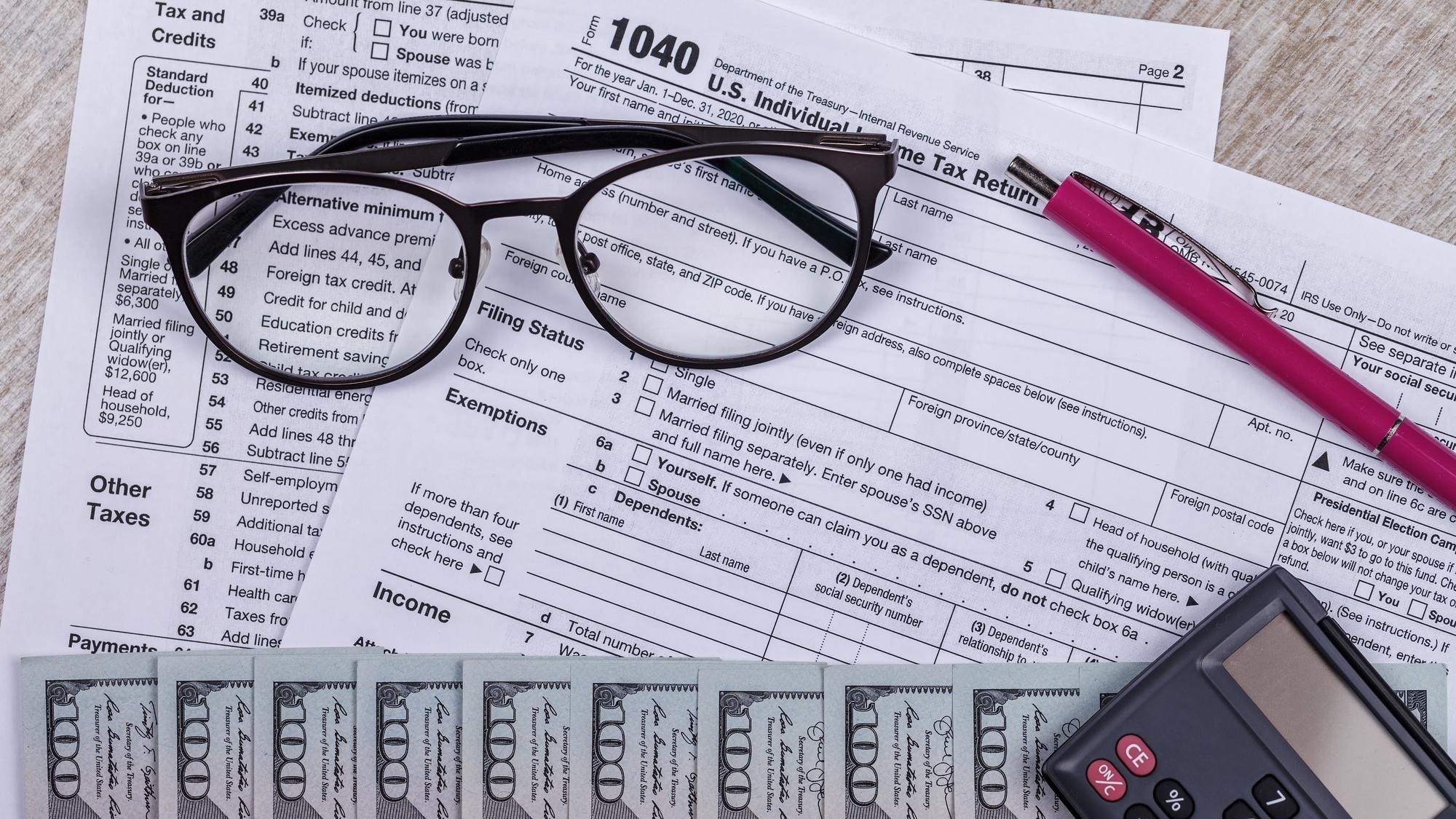
Taxpayers who were hit with IRS penalties or interest charges during the COVID-19 pandemic have just days left to file a protective claim that could preserve their right to a refund. The deadline is July 10, 2026, and the required form is IRS Form 843. The window traces back to a court ruling in Kwong v. United States, which found that the federal COVID disaster declaration entitled taxpayers to an additional 60 days of filing relief, a position the IRS has publicly disputed.
Why the July 10 Form 843 deadline changes the math for millions
The Kwong decision created a conflict between the Tax Court’s reading of the law and the IRS’s own interpretation. At the center is IRC Section 7508A(d), which grants automatic extensions for taxpayers affected by federally declared disasters. The COVID-19 national emergency ran from January 20, 2020, through May 11, 2023, according to the Taxpayer Advocate. During that stretch, the IRS assessed penalties and interest against taxpayers who filed or paid late, even though the court later ruled those taxpayers were entitled to an extra 60 days of relief under the disaster declaration.
The IRS disagrees with that ruling and has continued to apply its own reading of the disaster rules. That disagreement is exactly why a protective claim matters. Filing Form 843 before July 10 creates an administrative record with the IRS. If future litigation or legislation resolves the dispute in the taxpayer’s favor, those who filed will be first in line for refunds. Those who waited will likely find the statute of limitations has closed the door.
The Taxpayer Advocate Service has emphasized the urgency of the deadline, warning that the window to act is narrow and will not be reopened. In a recent alert urging taxpayers to act before July 10, the office stressed that the protective claim is about preserving rights, not predicting the ultimate outcome of the legal dispute. Taxpayers who do nothing now may lose their chance to benefit from any eventual relief tied to the COVID disaster period.
How Form 843 and the Kwong ruling connect to refund eligibility
Form 843 is the IRS’s designated vehicle for requesting a refund or abatement of penalties, interest, fees, and additions to tax when the underlying tax liability itself is not being changed. The IRS explains in its guidance on using Form 843 that it is appropriate when a taxpayer believes penalties or interest were improperly assessed or should be removed because of special circumstances. In the COVID context, the special circumstance is the federal disaster declaration and the extra 60 days of relief that the Tax Court concluded should have applied.
The Taxpayer Advocate Service, which operates independently within the IRS, has urged taxpayers to act before the deadline. The office has framed the stakes in stark terms, noting that tens of millions of taxpayers could be affected by how the disaster rules are ultimately interpreted. The protective claim does not guarantee a refund. Instead, it preserves the legal right to receive one if the government’s position is eventually overturned or if Congress steps in to clarify the law in a way that favors taxpayers.
Separately, Congress has already adjusted how the IRS must handle disaster postponements going forward, and the agency has updated its own disaster FAQs to reflect those changes. Those prospective fixes, however, do not automatically resolve the question of whether past COVID-era penalties and interest were validly imposed for taxpayers who would have met their obligations if the extra 60 days had been honored.
Who should consider filing a protective claim
For anyone who paid a late-filing or late-payment penalty on a return due between January 20, 2020, and May 11, 2023, the Kwong ruling may be relevant. The potential beneficiaries include individuals, small-business owners, and self‑employed taxpayers who missed original or extended due dates but could have complied within 60 additional days. In many cases, the amounts at stake are modest, but for taxpayers with multiple years of penalties or large balances, the totals can be significant.
A protective Form 843 filing is particularly important if the normal statute of limitations on claiming a refund is close to expiring. Once that window closes, the IRS generally cannot issue a refund even if later events show the original assessment was improper. By filing now and clearly identifying the claim as related to COVID‑19 disaster relief and the Kwong decision, taxpayers keep their place in line while the legal and policy questions play out.
Practical steps and documentation
Taxpayers considering a protective claim should gather copies of the relevant tax returns, IRS notices showing penalties or interest, and records of payments made. On Form 843, they should identify the specific tax year, type of penalty or interest at issue, and the amount paid, and include a brief explanation referencing the federally declared COVID‑19 disaster period and the contention that an additional 60 days of relief should have applied. Many taxpayers may wish to consult a tax professional, especially if multiple years or complex business filings are involved.
Because the July 10, 2026, deadline is hard and fast, mailing time and potential processing delays should be factored in. Taxpayers who decide to file should do so promptly, retain proof of mailing, and keep copies of all documents submitted. The protective claim is not a quick path to a check from the Treasury, but for those affected by COVID‑era penalties and interest, it may be the only way to keep open the possibility of a future refund.