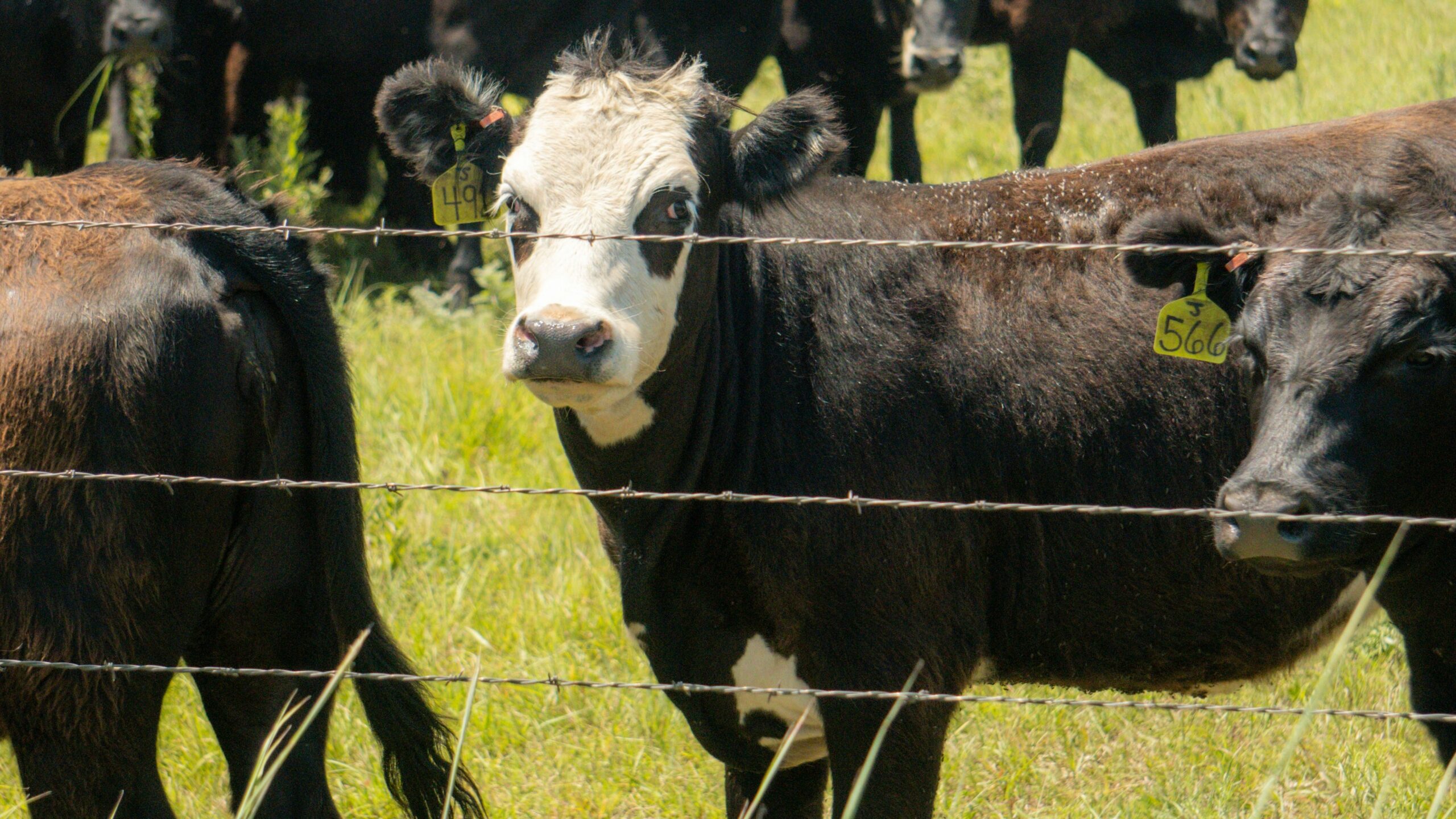
American shoppers are paying near-record prices for steak and ground beef, and the core reason is simple: the nation’s cattle herd has shrunk to its smallest size in roughly 75 years. With fewer animals moving through feedlots and into processing plants, domestic beef production has fallen short of demand, and federal forecasters see no quick reversal. The supply squeeze has kept retail beef prices elevated quarter after quarter, straining household grocery budgets heading into the second half of 2026.
Shrinking herd, sticky prices: why beef costs will not ease soon
The USDA Economic Research Service spelled out the problem in its April 2026 livestock outlook, noting that beef production forecasts, import projections, and export estimates were all adjusted lower. That triple downward revision reflects the reality that ranchers have been liquidating breeding stock for several years running, driven by drought, high feed costs, and thin margins. Each cow sent to slaughter instead of kept for calving removes future supply from the pipeline, and rebuilding a herd takes years because cattle have long gestation and growth cycles.
The result is a domestic supply gap that modest increases in beef imports cannot close. Processing capacity in the United States is concentrated among a small number of large packing plants, so even when foreign beef arrives at ports, bottlenecks at the plant level limit how quickly additional volume reaches retail shelves. That structural constraint means retail steak and ground beef prices are likely to stay above prior cycle peaks well into 2027, regardless of short-term trade flows.
Feedlots and ranchers face their own squeeze. Higher corn and hay costs have raised the expense of putting weight on cattle, while weather volatility has reduced forage in key grazing regions. When margins compress, some producers choose to exit the industry altogether, accelerating herd decline. Those who remain are cautious about expansion, knowing it can take multiple years before replacement heifers translate into market-ready animals. This slow biological clock is a central reason beef prices tend to rise quickly when herds shrink but fall only gradually when conditions improve.
Federal data confirm ground beef prices near historic highs
The Bureau of Labor Statistics tracks retail ground beef prices through its average price series, distributed by the Federal Reserve Bank of St. Louis under the identifier APU0000703112. That dataset, which stretches back decades, shows recent months hovering near the top of the historical range, underscoring how unusual today’s price environment is. The BLS methodology behind the series, detailed in its average price documentation, explains how specific product definitions and store samples are used to generate each monthly figure.
Broader inflation data reinforce the picture. The May 2026 Consumer Price Index release from the BLS, available in its detailed inflation tables, breaks out food-at-home categories, including uncooked beef and ground beef. Those tables show beef prices rising faster than the overall food index, meaning beef is absorbing a disproportionate share of grocery-budget pressure for American families even as inflation in some other categories has cooled.
Upstream from retail, wholesale boxed beef cutout values reported through USDA Agricultural Marketing Service daily beef reports document how packer-level tightness transmits into the prices grocers pay. When fewer cattle are available for slaughter, packers bid up live-cattle prices to secure supplies. Those higher input costs flow through wholesale cutouts and ultimately onto the price tags consumers see in store coolers, especially for popular items like ground chuck, ribeye, and strip steaks.
Open questions about herd recovery and import relief
Several gaps in the public record make it difficult to predict exactly when prices will soften. No precise January 2026 cattle inventory total from USDA’s National Agricultural Statistics Service has been highlighted in the ERS outlook summaries available for review, so the exact depth of the current trough relative to the early 2010s liquidation cycle is not fully clear from those documents alone. Without a firm benchmark, analysts can describe the herd as historically tight but must be cautious about pinpointing the exact low-water mark.
What is clearer is the timeline challenge. Even if ranchers decided today to begin aggressive herd rebuilding, it would take at least a couple of years before additional calves move through feedlots and into slaughter-ready weight ranges. That lag means 2026 and much of 2027 are likely to remain constrained on the supply side. Weather is another wild card: a return to widespread drought could force more herd culling, while sustained rainfall and ample pasture could encourage retention of heifers and slow the pace of slaughter.
Imports offer only partial relief. The United States brings in beef and beef trimmings from major suppliers such as Canada, Mexico, and South American countries, but global supplies are not unlimited. Other importing nations are also competing for the same product, and sanitary, quota, and labeling rules limit how quickly foreign beef can backfill domestic shortfalls. In addition, the dominance of a few large packers in U.S. processing means that even when imported beef is available, plant capacity and scheduling can cap how much incremental volume actually reaches supermarkets in any given month.
For households, the practical implication is that elevated beef prices are unlikely to be a brief spike. Shoppers may respond by trading down within the meat case, substituting ground beef for steaks, or shifting toward pork and poultry when budgets are tight. Some retailers are experimenting with smaller package sizes and more aggressive promotions on less popular cuts to keep weekly totals manageable. Yet as long as the national herd remains historically small and the production pipeline constrained, consumers should expect beef to remain one of the priciest items in the grocery cart.