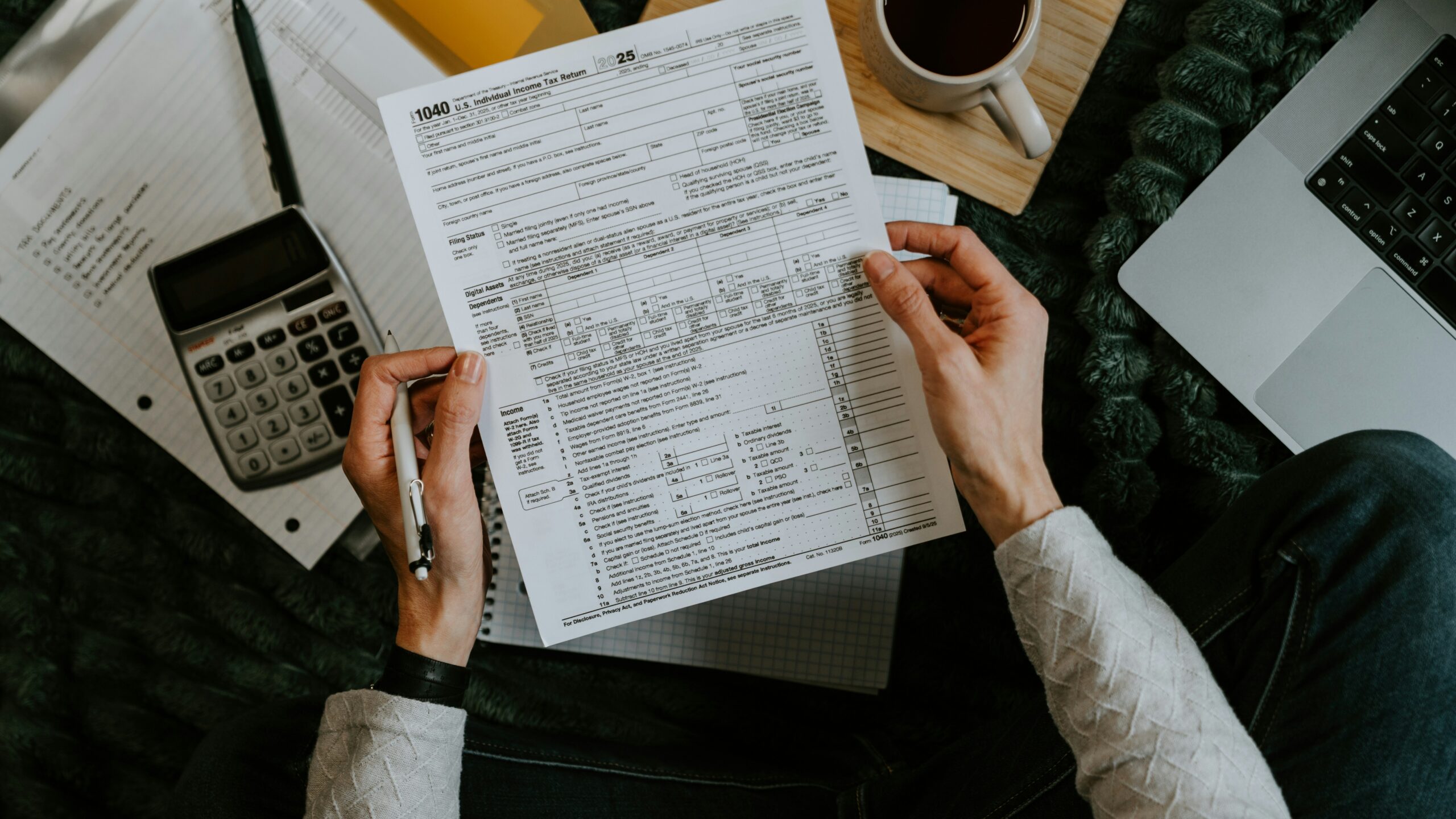
When the IRS announced automatic pandemic penalty relief on December 19, 2023, through Notice IR-2023-244, the agency said it would return roughly $1 billion to about 4.7 million taxpayers who had been charged late-payment penalties on their 2020 and 2021 federal returns. For millions of people, the credits showed up automatically. But not everyone was caught by that sweep, and if you were missed, you now have until July 10, 2026, to claim what you are owed. That is roughly 46 days from now.
After that date, the refund window closes permanently under the statute of limitations, no matter how strong your case might be.
Where this refund opportunity comes from
The federal COVID-19 disaster declaration ran from January 20, 2020, through May 11, 2023. Under Section 7508A of the Internal Revenue Code, the IRS is required to postpone certain tax deadlines during a federally declared disaster. When a deadline is postponed, penalties and interest tied to it should stop accruing.
The statute includes a built-in 60-day buffer after the disaster period ends. Add that buffer to May 11, 2023, and the postponement window stretches to July 10, 2023. That date, in turn, starts a three-year clock under the refund statute of limitations (IRC Section 6511), which lands squarely on July 10, 2026.
The problem: not every taxpayer who qualified for relief actually received it.
What the IRS already fixed, and what it missed
The IRS recognized the gap when it issued IR-2023-244 on December 19, 2023, implementing relief through Notice 2024-7. Through its pandemic penalty relief program, the agency ran a system-wide correction that removed or credited failure-to-pay penalties for eligible individual and business returns from tax years 2020 and 2021. The program followed internal procedures described in Internal Revenue Manual guidance on penalty abatements. For many filers, the adjustment appeared on their accounts without any action required.
But the automatic sweep had limits. Some taxpayers had already paid their penalties in full before the IRS ran its corrections, so there was no open balance to adjust. Others were excluded because their returns were processed late, their accounts carried coding the system filters did not recognize, or their penalty and interest charges fell outside the narrow categories the bulk program addressed.
For those filers, relief that was supposed to be automatic has effectively become something they must request on their own. This applies only to federal tax accounts; state penalties are governed by separate rules and are not part of this program.
How to file a claim before the deadline
The vehicle for requesting a refund is IRS Form 843, used to claim abatement or refund of penalties and interest. There is no fee to file it. The National Taxpayer Advocate, in a May 2026 blog advisory, urged affected taxpayers to submit either a formal claim or a protective claim before July 10.
The difference between the two matters:
- A formal claim spells out the exact dollar amount you are requesting and the legal basis for the refund. If the IRS agrees, it processes the refund. If it disagrees, you can appeal or take the matter to court.
- A protective claim preserves your right to a refund while the precise legal theory or dollar figure remains unsettled. Think of it as a placeholder: you are telling the IRS, “I believe I am owed money, and I am filing within the deadline so I do not lose my right to collect it later.”
Protective claims are especially important right now because key legal questions about the reach of the disaster postponement rules have not been fully resolved. The IRS cannot reject a protective claim simply for lacking a final dollar amount; its purpose is to hold your place in line.
Before filing either type of claim, you will need your IRS account transcript, which shows every penalty and interest charge assessed on your account. You can request transcripts online through the IRS Get Transcript tool, by calling the IRS, or by mailing Form 4506-T. Look for any failure-to-pay penalty entries on your 2020 or 2021 account that fall within the disaster window (January 20, 2020, through July 10, 2023).
Why the legal picture is still developing
The automatic relief from IR-2023-244 covered a specific slice of the problem: failure-to-pay penalties on 2020 and 2021 returns. But some tax practitioners and taxpayers argue the disaster postponement rules should reach further, potentially covering interest charges and other additions to tax that accrued during the full disaster period.
That argument is being tested in court. In Kwong v. United States, docketed as Case No. 1:23-cv-00267 in the U.S. Court of Federal Claims, a taxpayer has directly challenged whether certain pandemic-era penalties and interest were properly assessed under Section 7508A. The case has advanced beyond initial pleadings, but as of late May 2026, no final published opinion with full reasoning has appeared in publicly available court records.
Without a definitive ruling, two competing interpretations remain in play:
- The narrow reading would limit relief to the filing and payment deadlines the IRS explicitly postponed in its public notices, essentially mirroring the scope of the automatic penalty program.
- The broader reading would treat the entire disaster period, plus the 60-day buffer, as a suspension window for a wider range of penalties and interest, opening the door to significantly larger refund claims.
This uncertainty is precisely why the National Taxpayer Advocate is recommending protective claims. If courts ultimately adopt the broader interpretation, taxpayers who filed a timely protective claim will be positioned to benefit. Those who missed the July 10 deadline will generally be barred by the statute of limitations, regardless of how favorably the law develops afterward.
Five steps to take before July 10
The opportunity here is real, but it comes with a hard expiration date and no guarantee of a specific outcome. Here is what to do:
- Pull your IRS account transcripts for tax years 2020 and 2021. Look for failure-to-pay penalty and interest charges assessed during the disaster window (January 20, 2020, through July 10, 2023).
- Check whether the IRS already adjusted your account. If the automatic relief program credited or removed your penalties, you may have nothing further to claim. Your transcript will show any adjustments.
- Consult a tax professional if your situation is complex, especially if you believe interest charges or other additions to tax beyond the standard failure-to-pay penalty were improperly assessed.
- File Form 843 before July 10, 2026. If you know the exact amount and legal basis, file a formal claim. If you are unsure but want to preserve your rights, file a protective claim referencing the COVID-19 disaster declaration and Section 7508A.
- Keep copies of everything you submit and send your claim by certified mail or another method that provides proof of the filing date.
Once July 10 passes, the three-year statute of limitations will close this window for good. Filing now, even if it is just a protective claim, is the only way to keep your options open while the legal questions work their way toward a resolution.