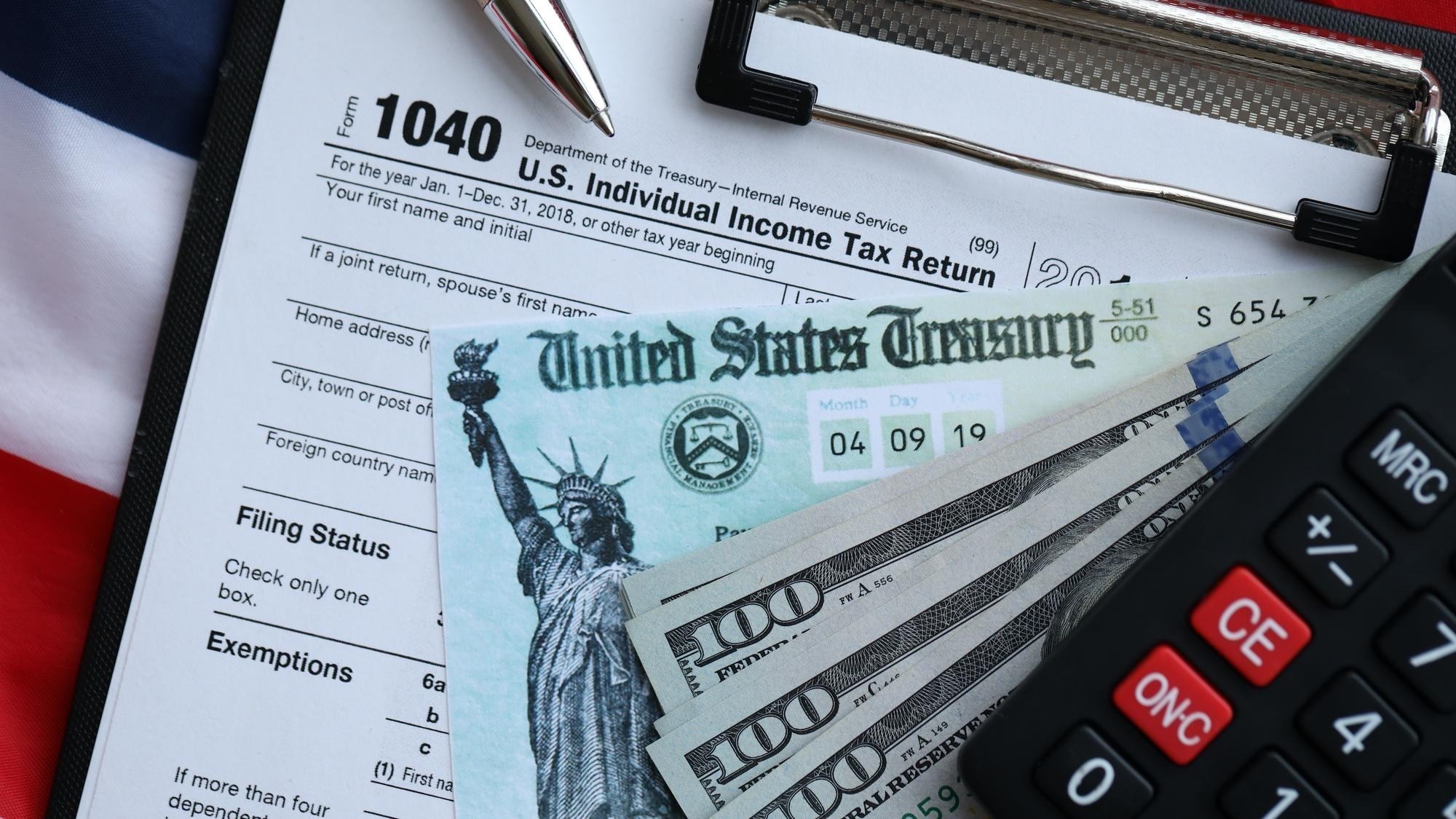
Millions of taxpayers who file returns without bank account information on record now face a fundamentally different refund experience. Beginning Sept. 30, 2025, the IRS stopped mailing most paper refund checks to individual filers, a shift that affects roughly 7 percent of all refunds, or several million returns each filing season. The change, driven by Executive Order 14247 issued in March 2025, has already reshaped the 2026 filing season, and the consequences for filers without direct deposit are still coming into focus.
Why dropping paper refund checks changes the math for millions
During the 2025 filing season, the IRS issued 93.5 million refunds, and 93 percent of those arrived through electronic deposit. That left a minority of filers still receiving paper checks, but the raw numbers are not small. Seven percent of 93.5 million refunds translates to roughly 6.5 million checks that would have gone through the mail under the old system.
The policy shift does not simply eliminate paper. It introduces a new intermediate step. When a return lacks bank routing information or when direct-deposit details are rejected, the IRS now sends a CP53E notice asking the filer to provide electronic payment information. According to the Taxpayer Advocate Service, if a filer takes no action after receiving that notice, the IRS will issue a paper check after a six-week hold period. That built-in delay alone adds weeks to the timeline for anyone who previously would have received a check automatically.
The real friction, though, sits in what happens between the notice and the fallback. Internal IRS procedures for handling refund exceptions are outlined in the agency’s Internal Revenue Manual, but no aggregate data has been released showing how many returns have been caught in the hold-and-notice cycle or how long resolution actually takes once the six weeks expire. The hypothesis that processing times will grow for filers without direct deposit is not speculative. The new workflow guarantees at least six additional weeks of delay by design, and the absence of public performance data on exception handling leaves the full scope of the slowdown unmeasured.
Executive order, Treasury rules, and the IRS refund overhaul
The legal authority behind the change traces to Executive Order 14247, signed in March 2025, which directed federal agencies to modernize payments to the extent permitted by law. The U.S. Treasury’s Bureau of the Fiscal Service followed with its own announcement that paper checks are ending for most federal payments, not just tax refunds. The IRS confirmed the phaseout applies to individual taxpayer refunds starting Sept. 30, 2025.
The agency now directs filers to expect refunds through direct deposit, prepaid debit cards, or digital wallets. Taxpayers can split refunds across up to three accounts using IRS Form 8888, and the IRS has emphasized that choosing a bank account or other electronic option is the fastest way to receive a refund. In its public explanations of what the phaseout means, the agency frames the change as a modernization effort designed to reduce costs, speed payments, and cut down on lost or stolen checks.
Still, the new framework is not just a technical upgrade. It effectively makes access to a bank account, prepaid card, or digital wallet a prerequisite for a smooth refund. Households that previously relied on a paper check and a local check-cashing outlet now must navigate new forms, new timelines, and in some cases entirely new financial products simply to receive money they are already owed.
Who faces the greatest risk of refund delays
Consumer advocates and the National Taxpayer Advocate have raised particular concerns about how the change will affect older adults, low-income workers, and taxpayers with limited access to banking services. In an October 2025 blog post, the Taxpayer Advocate warned that as the IRS phases out paper checks, vulnerable taxpayers must not be left behind, noting that many of the same households that lack bank accounts also have less reliable mail service, limited internet access, or language barriers that can make responding to CP53E notices difficult.
For those taxpayers, the six-week hold is only part of the story. If a notice is delayed, misdelivered, or misunderstood, the filer may not realize that any action is required until well after the hold expires. At that point, they may be left waiting for a paper check that arrives months later than they expected, with little visibility into where their refund stands in the meantime.
There is also a risk that taxpayers, eager to avoid delay, will turn to high-fee financial products marketed as quick solutions. Refund anticipation loans, check-cashing services tied to prepaid cards, and other workarounds can erode the value of the refund itself. Without clear, accessible guidance on low-cost options, the modernization push could unintentionally widen the gap between taxpayers who are fully banked and those who are not.
What taxpayers can do now
For filers who can safely use a bank account, prepaid card, or digital wallet, the most practical response is to add electronic payment information to their tax return before filing. That means confirming routing and account numbers, understanding any fees associated with prepaid products, and keeping those accounts open and in good standing until the refund arrives. Taxpayers who receive a CP53E notice should follow its instructions promptly to avoid the automatic six-week delay.
For those who cannot or do not wish to use a bank, the key is preparation. That includes watching mail for IRS notices after filing, using the agency’s online tools or phone lines to track refund status, and seeking help from community tax clinics or volunteer preparers if a notice is confusing. The policy shift toward electronic payments is already in motion; the task now is to ensure that the move away from paper checks does not leave the taxpayers who can least afford delays waiting the longest for the refunds they depend on.