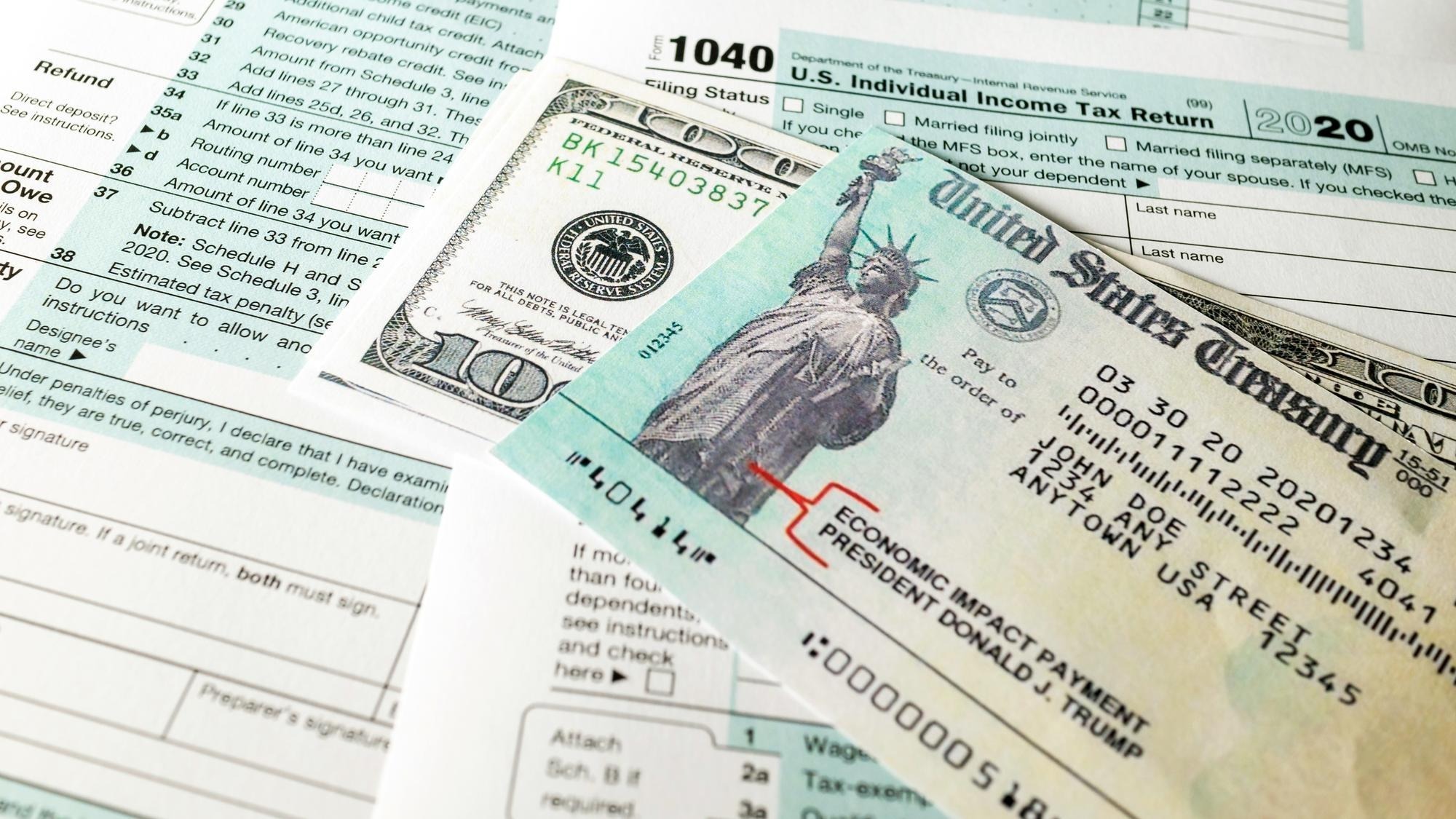
Millions of taxpayers who filed without bank account details on their returns now face a new reality: the IRS will no longer drop a paper refund check in the mail as a default. Starting after Sept. 30, 2025, the agency began phasing out paper checks for individual filers, a shift that affects roughly 7% of all refunds issued during the 2025 filing season. For the 2026 filing cycle, anyone whose direct deposit information is missing or rejected will receive a notice called CP53E and must act within 30 days or wait at least six weeks for a paper fallback.
Why the paper-check phaseout hits hardest during the 2026 filing season
The trigger is Executive Order 14247, which directs the Treasury to stop issuing paper checks for federal disbursements effective Sept. 30, 2025, “to the extent permitted by law.” That order covers far more than tax refunds, but the IRS rollout for individual filers is where the friction is most visible. During the 2025 filing season, the agency processed 93.5 million refunds; about 93%, or roughly 87 million, already went out by direct deposit. The remaining 7% went by mail. Those paper-check filers are the population now caught in the transition.
The practical consequence is a new bottleneck. When the IRS cannot route a refund electronically, it issues a CP53E notice asking the taxpayer to supply valid bank details within 30 days. Filers who respond in time get their money through direct deposit. Those who ignore the notice or miss the deadline still receive a paper check, but only after a six-week delay, according to the Taxpayer Advocate Service. The same outcome applies if a bank rejects the deposit. That six-week gap is long enough to create real financial strain for filers counting on a fast refund to cover rent, medical bills, or other time-sensitive expenses.
The hypothesis that CP53E notices will push a measurable wave of new direct-deposit enrollments is plausible on its face. A six-week wait is a powerful incentive to open a bank account or set up a prepaid debit card. The IRS itself has signaled that filers should expect refunds through direct deposit, prepaid debit cards, or digital wallets. Yet no public data tracks how many CP53E recipients actually follow through, making it impossible to confirm the enrollment bump with hard numbers right now.
What the IRS and Treasury have put on the record
The IRS announcement confirming the phaseout cites the 93.5 million refunds and 93% direct-deposit rate as evidence that most filers are already electronic. In that agency release, officials frame the shift as an extension of existing behavior rather than a disruptive change, emphasizing that electronic payments are faster, more secure, and cheaper to administer than paper checks.
Treasury guidance under 31 C.F.R. Part 208 requires recipients of federal payments to receive funds electronically or obtain a waiver, and it points unbanked individuals toward FDIC resources for help opening low-cost accounts. The IRS, for its part, has updated its taxpayer-facing materials to stress that entering accurate routing and account numbers on a return is now the primary path to a timely refund. In other words, paper checks have shifted from standard option to safety valve.
The new CP53E process is central to that safety valve. According to the official IRS explanation, the notice goes out when a direct deposit cannot be completed, typically because the bank information is missing, invalid, or rejected by the financial institution. Taxpayers are instructed to provide updated account details or, if they cannot receive electronic payments, to effectively wait out the fallback period while the IRS reissues the refund by mail.
Who is most exposed to delays
The phaseout does not hit all filers equally. Taxpayers who have long used direct deposit will see little change beyond updated language in their refund status messages. The strain falls on people without stable access to traditional banking, those who move frequently, and filers who rely on paid preparers and may not fully understand how their refund is being routed.
Unbanked and underbanked households are particularly vulnerable. Many rely on tax refunds as a once-a-year cash infusion, and a six-week delay can cascade into missed bills and extra borrowing costs. While Treasury and the IRS highlight low-fee online accounts and prepaid cards as alternatives, the transition demands time, documentation, and a level of financial literacy that not everyone has on short notice.
There is also a geographic and demographic dimension. Rural communities with limited branch access, older taxpayers accustomed to checks, and immigrants navigating language barriers may be slower to adopt electronic options. For these groups, the CP53E notice is not just a form letter; it is a forced decision point about whether to engage with the banking system or endure repeated refund delays.
How taxpayers can prepare
For individual filers, the most effective step is proactive: confirm banking details before filing. That means checking routing and account numbers directly with the bank, deciding whose name should be on the account if filing jointly, and avoiding temporary accounts that may close before a refund arrives. Taxpayers using preparers should ask explicitly how their refund will be delivered and who controls the destination account.
Those who cannot or do not want to open a traditional bank account still have options. Prepaid debit cards and certain digital wallets can receive federal payments, provided they supply routing and account numbers compatible with ACH transfers. However, fees and terms vary, so filers should review costs carefully before relying on these tools for a large refund.
The broader policy gamble is that short-term inconvenience will yield long-term gains: fewer lost or stolen checks, lower administrative costs, and faster access to money for most taxpayers. Whether that tradeoff feels fair will depend on how many CP53E recipients successfully pivot to electronic payments-and how effectively the IRS and Treasury support those who are least equipped to make the switch.