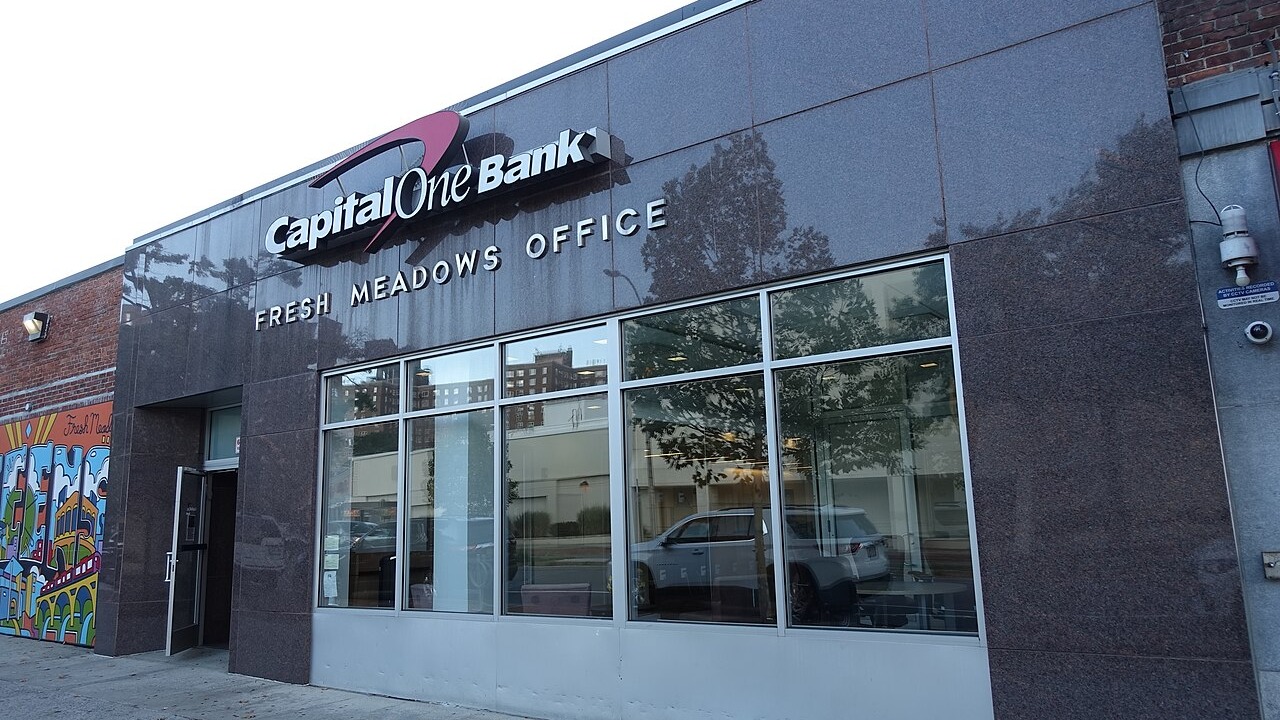
Restaurant owners, salon operators, and retail merchants across Illinois face a direct hit to their bottom lines starting June 30, 2026. The Office of the Comptroller of the Currency has issued an interim final rule and a separate preemption order that together strip away the state’s ban on charging interchange fees on tips and sales tax. The two actions, announced in OCC News Release 2026-32, give national banks explicit authority to collect fees on the full transaction amount, including portions that Illinois lawmakers had tried to shield.
Why June 30 changes the cost equation for Illinois merchants
The core tension is straightforward: Illinois passed the Interchange Fee Prohibition Act to stop card networks and issuing banks from collecting swipe fees on the tax and gratuity portions of credit and debit card transactions. The OCC concluded that federal law preempts both the fee prohibition and the IFPA’s restrictions on how payment-card transaction data can be used, according to OCC Bulletin 2026-17. Once the rule takes effect, national banks can resume or begin charging interchange on the entire ticket, tips and tax included.
For a restaurant where gratuities and sales tax routinely make up 25 to 35 percent of a credit card charge, the practical result is that the fee-free portion of each transaction disappears. Acquirers and payment processors pass interchange costs through to merchants in their settlement statements, so the increased charges should show up in monthly processing reports within the first billing cycle after June 30. No new state reporting requirement exists to track the shift, but aggregated acquirer settlement data would capture it. The hypothesis that Illinois merchants will see a measurable rise in effective card processing costs within 90 days of the rule’s effective date is consistent with how interchange flows work, though no primary OCC document quantifies the projected dollar impact.
OCC’s two interim final actions and the preemption order
The agency took two distinct steps. First, an interim final rule clarifies that national banks have authority to charge non-interest fees, including interchange fees set by third parties such as card networks. That rule’s scope and June 30, 2026 effective date are laid out in OCC Bulletin 2026-18. Second, a separate interim final order specifically targets the Illinois IFPA, concluding that both of its main provisions are preempted by federal banking law.
Under the OCC’s reasoning, national banks must be able to rely on uniform federal standards when offering payment card services, rather than navigating a patchwork of state-by-state limits on fee structures and data use. The preemption order therefore reaches beyond the headline issue of tips and taxes. It also blocks Illinois from enforcing provisions that would have constrained how banks and networks transmit or analyze transaction-level data when calculating or allocating interchange.
Senator Dick Durbin, the Illinois Democrat who authored the federal Durbin Amendment capping debit interchange years ago, pushed back. In a statement on his official Senate website, Durbin urged the OCC to correct what he called its “misinterpretation of interchange fees.” His objection signals that a legislative or legal challenge could follow, but the OCC’s order stands unless a court or Congress intervenes before the effective date.
Illinois lawmakers had already delayed the IFPA’s own enforcement timeline, pushing its start from July 1, 2026 to July 1, 2027. That delay now appears moot for transactions processed through national banks, because the federal preemption order takes precedence regardless of when the state law would have kicked in.
Open questions after the OCC preemption of the Illinois IFPA
Several gaps remain in how the new regime will play out on the ground. The OCC’s actions are directed at national banks, but many Illinois merchants process card payments through credit unions or state-chartered banks. The preemption order does not directly answer whether those institutions will mirror the national banks’ approach to fees on tips and taxes, or whether competitive pressure might lead some providers to voluntarily maintain Illinois-style protections for certain merchants.
Another unresolved issue is how transparently acquirers will communicate the change. Processors could fold higher interchange into existing blended rates, leaving business owners to discover the increase only after comparing effective rates over time. Alternatively, some may introduce separate line items or mid-year pricing notices that explicitly attribute higher costs to the OCC rule and preemption order. The OCC documents do not mandate any particular disclosure format, so practices are likely to vary across the market.
Litigation risk also hangs over the timeline. Durbin’s criticism hints at possible lawsuits challenging the OCC’s interpretation of federal preemption, especially around whether the IFPA’s data-use limits meaningfully interfere with core banking powers. If litigation emerges and a court issues a stay, the June 30, 2026 effective date for national banks could be delayed, at least temporarily. For now, though, merchants must plan as if the rule will take effect on schedule.
Finally, the broader policy debate over interchange is likely to intensify. Illinois attempted a narrow intervention focused on taxes and tips, but the OCC’s response frames the question as one of national uniformity in bank regulation. That framing may prompt other states to reconsider similar proposals, or to explore alternative consumer and merchant protections that do not directly target fee calculations. Until those debates resolve, Illinois businesses that rely heavily on card payments should expect higher processing costs on every dollar of tax and gratuity once the OCC’s actions become operative.