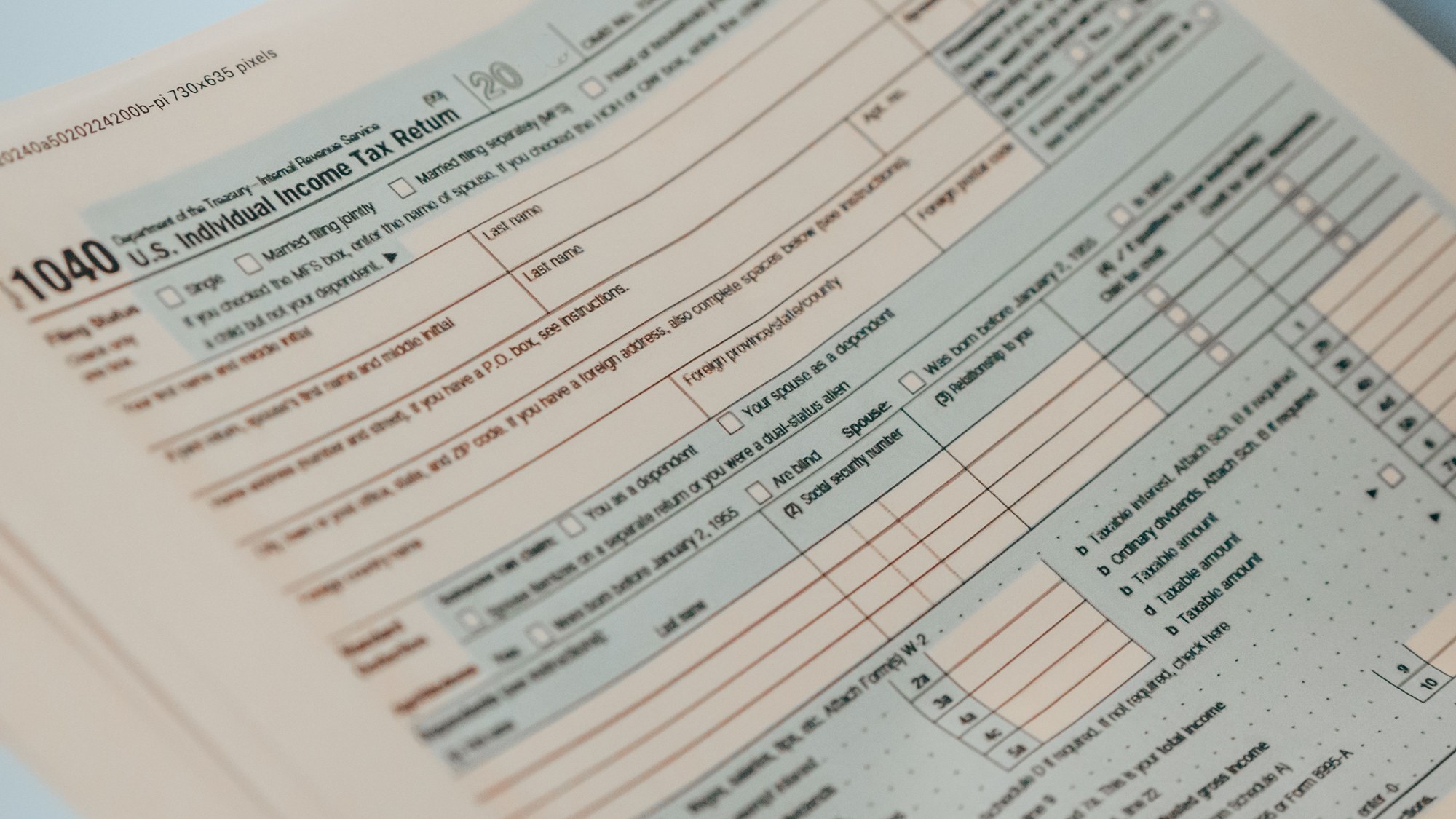
Charles Weiner, a Philadelphia restaurateur from Penn Valley, Pennsylvania, has been indicted on 22 counts of willfully failing to withhold and pay over employment taxes. Prosecutors allege he paid workers at Max’s Steaks & Eagle Bar and the Clock Bar wholly or partly in cash for four years. The IRS Criminal Investigation announcement is dated October 15.
What the indictment says Weiner did
The two restaurants sit on the same block of Germantown Avenue in Philadelphia. According to the indictment, Weiner controlled their finances. That made him the person responsible for holding back Social Security, Medicare and income taxes from employee paychecks, sending that money to the IRS and filing the quarterly employment tax returns.
The government says that did not happen. From the first quarter of 2019 through the first quarter of 2023, the indictment alleges, Weiner and two other people working at his direction paid employees wholly or partly in cash. The announcement does not name the two others.
The paperwork is where the case turns. Prosecutors say Weiner handed the restaurants’ accountant only part of the wages actually paid. The accountant then prepared quarterly employment tax returns from those incomplete numbers, so the returns the IRS received were false.
The indictment also alleges a second problem on the corporate side. Weiner is accused of giving the accountant false figures for what the restaurants spent on food and drink supplies. Those numbers fed the annual corporate tax returns, which prosecutors say were false as a result.
Two groups of people have a stake in how a case like this works. Workers have taxes taken out of every paycheck, and those withholdings are meant to reach the government. Employers who withhold income tax or owe Social Security and Medicare tax report all of it on Form 941, the Employer’s Quarterly Federal Tax Return.
What changed this year: Social Security and Medicare change every year, and nobody sends you a memo. The Retirement Money Brief breaks down what changed and what to do.
Get the Retirement Money Brief →
We may earn a commission from links on this page.
Twenty-nine counts, three kinds of charge
The indictment lists 29 counts in all. One is conspiracy to defraud the United States. Twenty-two are willful failure to withhold and pay over employment taxes. Six are aiding and assisting the filing of false tax returns.
The maximum sentences differ by charge. The conspiracy count carries up to five years in prison. Each count of willful failure to withhold and pay over also carries up to five years, and each count of aiding and assisting a false return carries up to three years.
The announcement does not give a combined maximum. It also does not give fines, and it does not state how much tax the government says went unpaid. No dollar loss is attached to Weiner’s case in the announcement.
An indictment is a formal charge, not a finding of guilt. The announcement describes everything above as allegations in the indictment. Weiner has not been convicted of anything, and the announcement carries no statement from him or a lawyer for him.
One case in a month-long Justice Department push
The Weiner indictment is part of the Justice Department’s first National Tax Enforcement Surge. The surge ran for a month and paired the department’s National Fraud Enforcement Division’s Tax Section with U.S. Attorneys’ Offices around the country. It produced prosecutorial actions against 76 defendants.
The announcement puts the estimated intended revenue loss to the federal government from those cases at more than $490 million. That total covers all 76 defendants, not the Philadelphia restaurants. The announcement does not break it down case by case.
The division behind the surge is new. The Justice Department created the National Fraud Enforcement Division on April 7, 2026, to investigate and prosecute people who steal or misuse taxpayer dollars. It supports the Task Force to Eliminate Fraud, which Vice President J.D. Vance chairs and which targets fraud, waste and abuse in federal benefit programs.
U.S. Attorney David Metcalf’s office in Philadelphia announced the Weiner indictment. Assistant U.S. Attorney Eric D. Gill and Michael C. Vasiliadis, a trial attorney with the division’s Tax Section, are prosecuting it.
Who investigated, and what employers file
IRS Criminal Investigation handled the case. The agency calls itself the criminal investigative arm of the IRS, and its special agents are the only federal law enforcement agents with jurisdiction over violations of the Internal Revenue Code. Its own description lists tax fraud among its targets, alongside money laundering, public corruption and identity theft, and cites a conviction rate above 90 percent in federal cases.
The employer side of the system is built around that one form. Larger payers face an extra step: employers that reported more than $50,000 in employment taxes during the lookback period, or built up a liability of $100,000 or more on any day, also file Schedule B with Form 941, the IRS says. Employment tax returns can be filed electronically.
The announcement does not say when Weiner will appear in court or whether either restaurant has changed hands or closed. It also does not say whether any employees have been contacted by the IRS about the cash wages.
What is on the record is narrow and specific. Four years of quarterly returns, 22 counts of failing to pay over withheld taxes, and an accountant who allegedly saw only part of the payroll. Whether a jury sees it the same way is the question the Philadelphia case now has to answer.
Holding an IRS letter about wages or withholding?
The Philadelphia case is about an employer’s taxes, not a refund, but it lands in a year when a one-month national push produced 76 defendants. IRS letters carry form numbers, codes and response dates, and misreading one can cost weeks.
The IRS Refund Recovery Kit is built for that related job. It includes a notice decoder that explains why a refund stalled and what an IRS letter is asking for, plus a refund status tracker spreadsheet, an Excel file for logging each notice and refund status.
Decode an IRS notice and track a refund with The IRS Refund Recovery Kit →
More Financial Reading
- 21 Ways to Stretch a $2,087 Social Security Check
- 15 Places to Find Your Share of the $4.25 Billion States Give Back
- 17 Medicare Money Moves Now That Part D Caps at $2,400
This article was produced with AI assistance and edited for accuracy against the sources linked above.