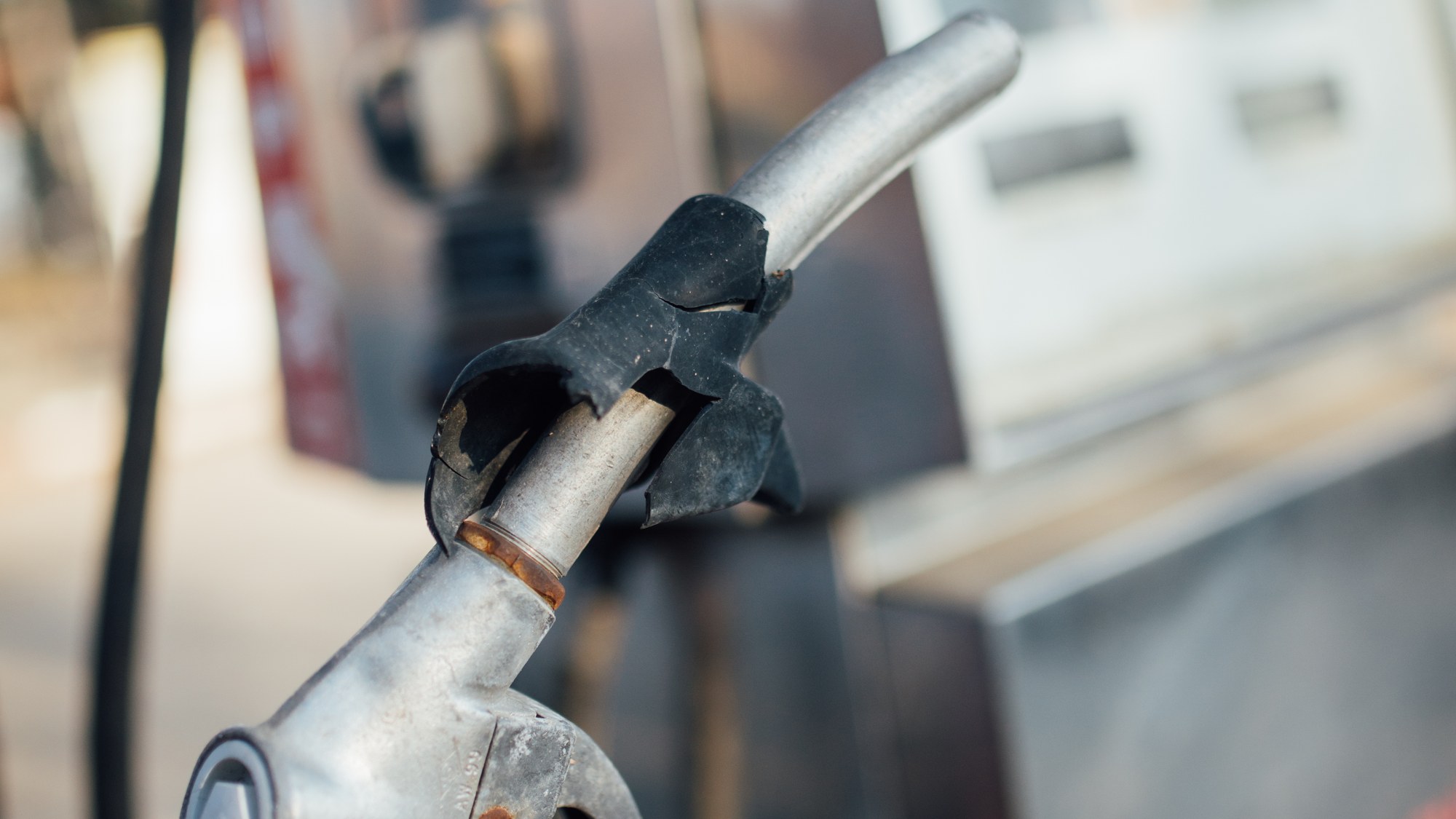
Gasoline accounted for more than half of the 0.6 percent jump in consumer prices in September, the Bureau of Labor Statistics said Wednesday. Gas prices rose 9.1 percent in the month, and they are up 34.2 percent from a year ago, far above the 3.7 percent annual rise in prices overall.
Affiliate links — we may earn a commission.
The Consumer Price Index for All Urban Consumers rose 0.6 percent on a seasonally adjusted basis, according to the September CPI release. Over the last 12 months, prices rose 3.7 percent before seasonal adjustment. The bureau’s own sentence on the cause is short: “The index for gasoline rose 9.1 percent in September, accounting for over half of the monthly all items increase.”
Energy carried the month
The energy index rose 5.2 percent in September, after a 2.1 percent gain in August, and it is up 20.4 percent over 12 months. Gasoline is the main driver of that annual figure. Before seasonal adjustment, gasoline rose 6.5 percent in September, so the 9.1 percent figure the bureau highlights includes a seasonal correction.
The AAA, the motorists’ group, reported in its weekly update that the national average for a gallon of regular reached $4.3612 on October 8, compared with $3.1156 a year earlier. The group said it is the first year the national average has topped $4 a gallon in October. By October 14, AAA’s average had eased to $4.3333.
Retirees on fixed incomes feel that gap in the grocery run, the drive to a pharmacy and the monthly fuel bill, because those costs do not wait for a cost-of-living adjustment. A household that spent $100 a month on gas a year ago would be spending about $134 on the same driving at today’s price, which is the 34.2 percent increase applied to a round number.
Everything but food and fuel
Strip out food and energy and the picture is calmer. The index for all items less food and energy rose 0.3 percent in September and is up 2.6 percent over the past year. Food was unchanged for the month and is up 2.5 percent over 12 months. Food at home, the grocery-store part of the index, fell 0.1 percent in September and is up 1.8 percent from a year ago.
Shelter rose 0.4 percent in September and 3.2 percent over the year. Airline fares rose 1.2 percent for the month and 22.4 percent over 12 months. Medical care rose only 0.1 percent for the month and 1.5 percent for the year, with medical care services up 2.5 percent and medical care commodities down 3.3 percent. Used cars and trucks rose 0.7 percent in September but are down 1.5 percent from a year ago.
For retirees watching how far a savings account or a monthly check stretches, the question is how much of the 3.7 percent annual rise is a one-time energy spike and how much is broader. The bureau’s own numbers point to energy as the source, with core inflation well below the headline rate. The Consumer Price Index for Urban Wage Earners and Clerical Workers, a separate BLS measure, rose 3.9 percent over 12 months.
Wages are trailing and the Fed is hiking
Chen Zhao, head of economics research at Redfin, wrote in her commentary on the report that overall prices rose 0.65 percent in September, above the 0.58 percent forecast, and that wage growth of 3.0 percent is not keeping pace with 3.7 percent inflation. She put the odds of a Federal Reserve rate hike at the October meeting at 50/50.
The Fed has already moved. On September 16 the central bank raised its target for the federal funds rate by a quarter point to a range of 3.75 to 4 percent, with 12 votes in favor and none opposed, and its statement says inflation “remains elevated.” The Fed’s next meeting is October 27 and 28.
A retiree weighing whether savings are positioned for a stretch of higher prices has more to compare than one month of data: the annual rate, the core rate, and what a portfolio holds in stocks, bonds, cash and anything else.
Checking a household budget against the September index
The free first step is the bureau’s own release at bls.gov, which breaks out gasoline, food, shelter and medical care. A household can set three months of its own fuel receipts, grocery totals and utility bills next to those categories and see whether its personal inflation runs above or below the 3.7 percent headline.
It helps to note what the month does and does not show. One month of gasoline is not a trend, and the 12-month figures are not seasonally adjusted while the monthly ones are. Anyone comparing the two should keep them separate.
Savers weighing whether to hold something other than stocks and bonds in an IRA can ask their plan administrator or custodian what is allowed, what fees apply and how any assets would be stored. The next CPI release, for October, is set for November 10.
Gas at $4.33 and a 3.7 percent year
Prices up 3.7 percent in a year erode a fixed budget, and gasoline up 34.2 percent is the part retirees feel at the pump. Lear Capital helps protect your retirement with gold and silver, sends a free 2026 Gold IRA Kit, and offers a $500 account credit with a precious metals purchase.
Order Lear Capital’s free 2026 Gold IRA Kit →
I may be compensated if you sign up through my link. Investments carry risk. Past performance is not a guarantee of future results.
This article was produced with AI assistance and reviewed by The Financial Wire’s editorial team.