The SEC has charged BG Wealth Sharing Ltd and DSJ Exchange Pty Ltd, both incorporated in Colorado, in a complaint filed Oct. 29 in federal court in Northern California. The agency alleges the two ran a crypto “wealth-sharing program” that received more than $130 million from over 223,000 blockchain addresses between March and mid-June 2026. The complaint says the scheme reached tens of thousands of retail investors in more than 40 U.S. states, several U.S. territories and other countries.
The charges are allegations, and Wealth Management reported on Oct. 30 that neither firm could be reached for comment. For anyone who has been pitched crypto “trading signals” by a friend, a relative or a social media group, the case is a close look at how this kind of pitch is built and what the SEC says was behind it.
Retirement deadlines, in your inbox: Miss an enrollment or claim deadline and the money can be gone. Join the Retirement Money Brief and we’ll send you our 2026 Government Check Reality Tracker as a welcome gift.
Get the Brief + the check tracker →
We may earn a commission from links on this page.
What were investors told they were buying?
According to the complaint, BG Wealth promised monthly returns of at least 60%, said the investments carried “zero risk,” and billed itself as “the world’s largest hedge fund.” The pitch rested on supposed artificial-intelligence “Super Intelligence” signals for trading crypto, with a claimed 99.6% accuracy rate.
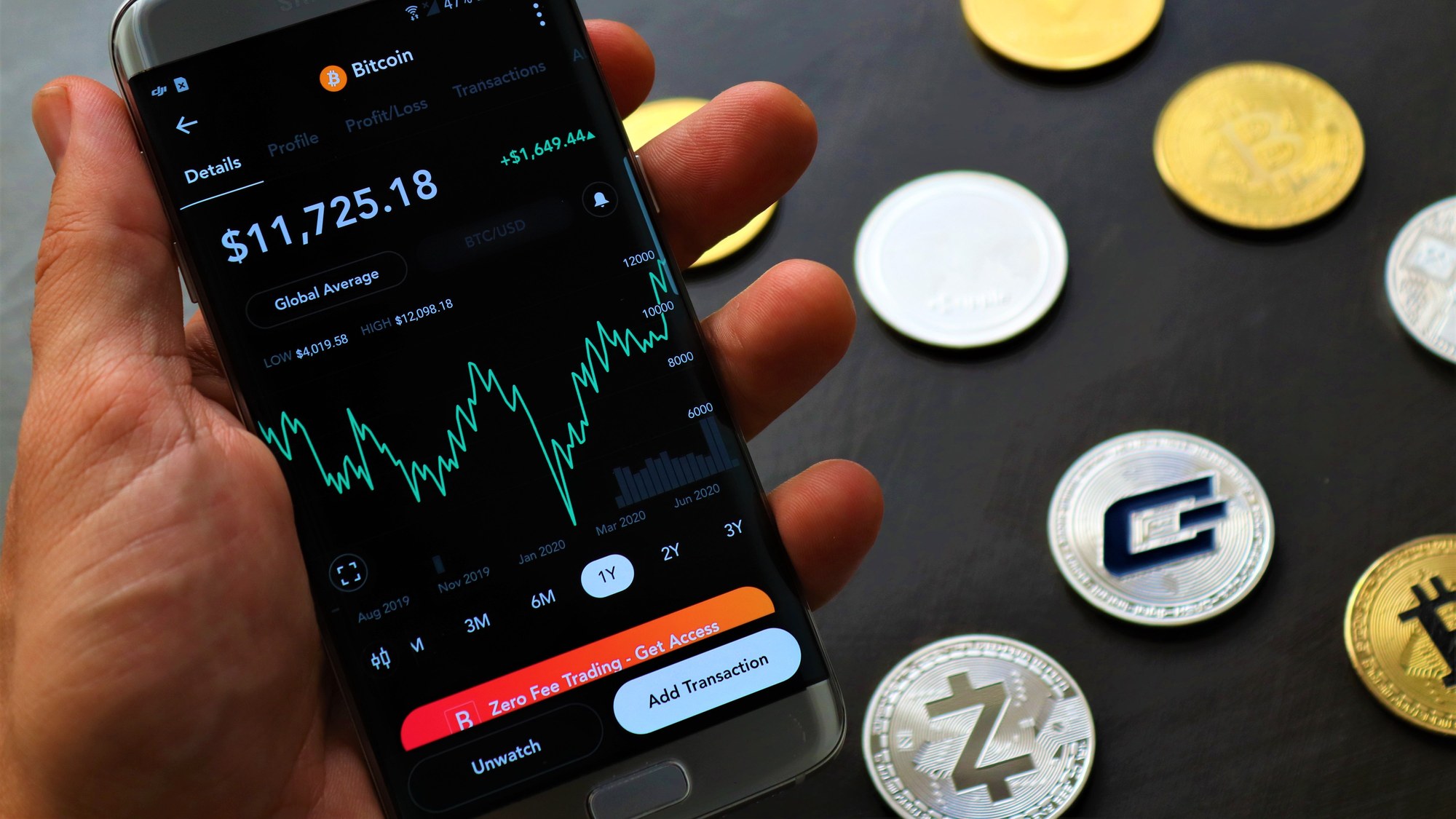
The SEC says none of it was real. Its complaint alleges no genuine trading took place, that the profits shown on the platform were fake, and that investor assets were misappropriated. Investors were told to deposit crypto on the DSJ Exchange platform and copy the signals, and the dashboards showed gains that the agency says did not exist.
How did the money move, and why could people not get out?
The SEC says some of the money went back out as Ponzi-style payments: up to $25 million sent to wallets tied to earlier investors. The complaint puts investor losses at more than $100 million.
Withdrawals came with fees of up to 20% and delays, according to the filing, and DSJ Exchange eventually blocked them. Investors were then asked to pay a “tax” to unlock their accounts and to deposit more money to move to a new platform called HQI Exchange. The Texas State Securities Board described a similar sequence in June: a 12% “exit tax” or “compliance fee” after withdrawals were restricted, then a $100 fee to switch platforms.
How did a federal filing make it look legitimate?
The complaint alleges the firms falsely claimed to be licensed by the SEC. BG Wealth filed a Form ADV, the registration form for investment advisers, as an exempt reporting adviser, and DSJ Exchange filed a Form D, a notice of a private securities offering that claimed a $100 million raise. The SEC also says the firms displayed fabricated SEC registration certificates.
Filing either form with the agency does not mean the SEC has approved or reviewed the business. According to the complaint, DSJ Exchange changed its name on the SEC’s EDGAR database to Horizon Crest Capital Inc. on Sept. 29 and filed a new Form D. Wealth Management reported that the SEC has removed the allegedly false filings from its website and that, in late August, it charged 38 other entities in Colorado over false Form ADV filings.
Who raised the alarm before the SEC did?
The complaint says seven foreign regulators issued warnings starting in May 2025, and that state regulators in Alaska, Hawaii, Oklahoma, Texas, Utah, Washington and Wisconsin issued warnings or cease-and-desist orders. The Alberta Securities Commission said on May 25 that U.S. law enforcement had seized the BG Wealth Sharing website in late April, and that it found no evidence legitimate trading occurred on DSJ’s sites or apps.
Cristi Ramón Ochoa, a Texas deputy securities commissioner, said in the state’s June release that “bad actors often attempt to create a false sense of legitimacy.” The scheme spread through a multi-level marketing structure, weekly Zoom calls, social media and roadshows in Las Vegas, Lā’ie, Hawaii, and Salt Lake City, the SEC says. One promoter in Concord, California, reached the program’s seventh level with about 5,000 investors beneath them.
Alberta’s regulators also warned that people who lost money may be targeted again by recovery scams, including groups that rename themselves as new investment opportunities, and said not to pay any “tax” to withdraw funds.
What does the SEC want from the court?
The agency charged both firms with violating the anti-fraud provisions of the Securities Exchange Act and the Securities Act, and charged BG Wealth with violating two provisions of the Advisers Act. It is asking for permanent injunctions, a bar on BG Wealth filing Forms ADV as an exempt reporting adviser, repayment of ill-gotten gains with interest, and civil penalties. The case is SEC v. BG Wealth Sharing Ltd, No. 3:26-cv-12746.
The Texas board asked anyone who was solicited by or invested with the entities to contact its Enforcement Division at (512) 305-8300. Its checklist of warning signs applies well beyond this case: promises of guaranteed profit, little or no risk, unusually high returns, and any requirement to recruit friends or family to earn returns.
Has a friend or a group chat pitched you crypto trading signals?
The pitch in this case worked because it came through people investors knew, with account screens that showed gains and an official-looking filing behind it. Once money moves to a platform like that, the SEC’s complaint says, getting it back out can cost fees of up to 20% or be blocked outright.
Scam-Proof Your Accounts in a Weekend is a 13-page guide that includes how to lock your bank logins with two-step login, alerts and a verbal password, so a scammer who gets one password still meets a second lock. It lays out ten moves in weekend order, the ones that protect the most money first, plus a large-print edition.
Get the weekend guide to locking your bank logins before a crypto pitch reaches you →
This article was produced with AI assistance and edited for accuracy against the sources linked above.