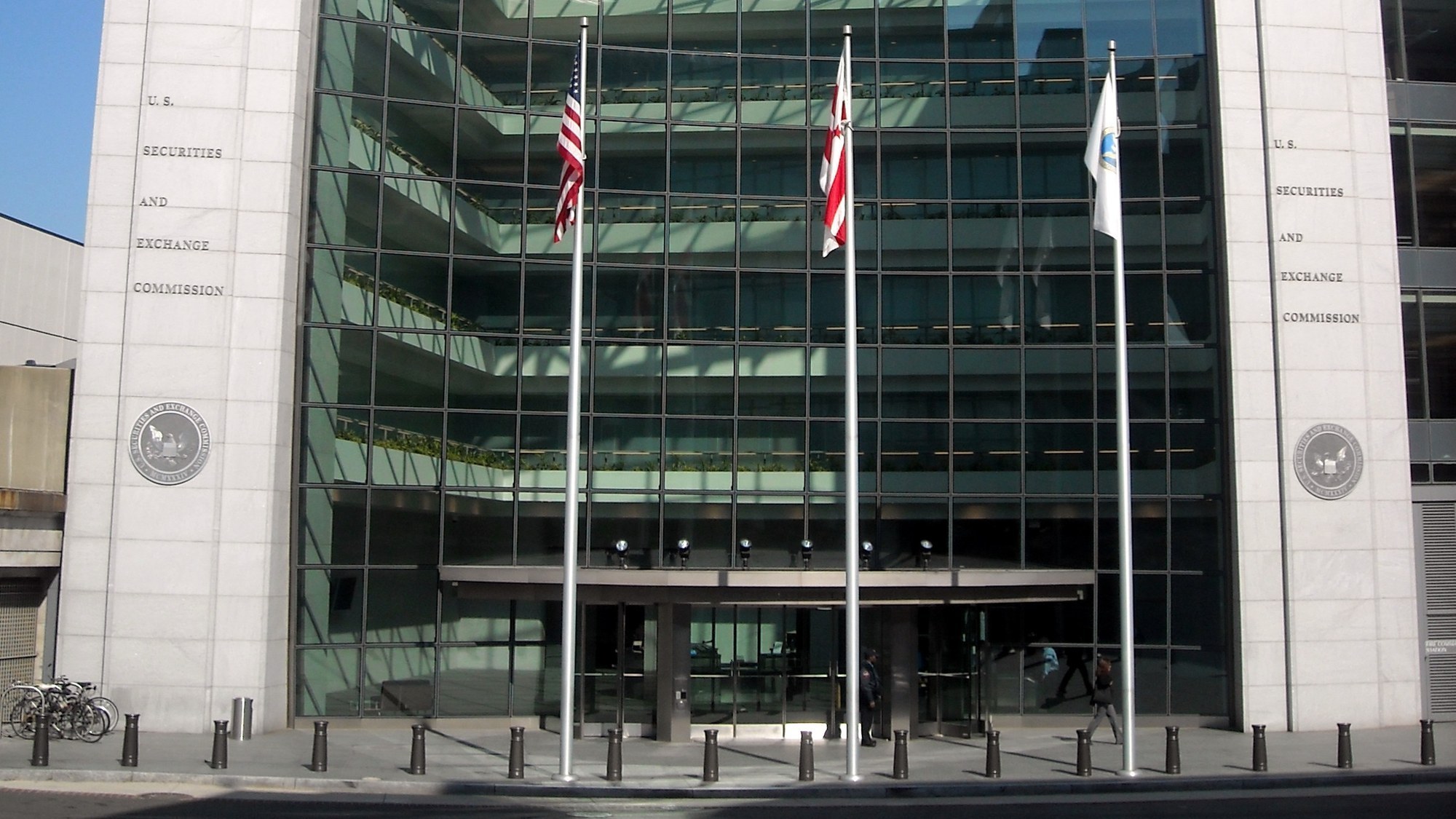
The Securities and Exchange Commission has charged 38 entities with faking their way into apparent legitimacy as U.S. investment advisers, using fabricated regulatory filings to look registered and trustworthy to retail investors who had no way of checking whether the paperwork behind the pitch was real. For an older investor comparing advisers online, the case is a reminder that a name turning up in an official-looking government filing is not, on its own, proof that the firm behind it exists the way it claims to.
How the scheme used the SEC’s own filing system against investors
The 38 defendants made material misrepresentations in Forms ADV filed with the agency between 2025 and 2026, portraying themselves as legitimate advisory firms to U.S. investors. A number of the defendants connected to the Commission’s own filing system using IP addresses traced to foreign jurisdictions, and when SEC counsel asked them to provide records substantiating what they had filed, the complaints allege they simply failed to respond. The filings themselves are what made the scheme work: a Form ADV on file with a federal regulator carries an implicit weight that a plain marketing website does not, and the defendants appear to have relied on investors never checking further than the fact that a filing existed at all.
The 38 named defendants range from firms with conventional-sounding names, such as Harbor Financial Institute Ltd. and Wingspan Advisors LLC, to explicitly crypto-themed entities such as CryptoOrbit Ltd. and Pinnacle Crypto Exchange Inc. — a mix that lines up with the SEC’s own description of the scheme as one built around exploiting interest in emerging technologies.
Free download: The first-hour steps in order, who to call at banks, agencies and credit bureaus, and what to document. Get the free scam and identity-theft action card.
Free download from RetireShield. Getting it also signs you up for the free Retirement Money Brief, a weekday email. Unsubscribe anytime.
The specific fabrications the SEC says it found
“Our complaints allege large-scale abuse of SEC adviser filings by persons, several of whom are likely located overseas, exploiting interest in emerging technologies,” said Laura D’Allaird, chief of the SEC Enforcement Division’s Cyber and Emerging Technologies Unit, in the Aug. 27 announcement. Several defendants listed business addresses in Colorado where they had no actual presence, and provided phone numbers that were either disconnected or belonged to unrelated businesses.
Many disclosed ownership structures and numerical data that were identical, or nearly identical, to a large number of other purported exempt reporting advisers, and claimed that the private funds they advised had been audited by one of two accounting firms that cannot be found in any public state or federal accountancy registry. Some were marketed on websites that displayed a fabricated certificate claiming SEC registration, even though the entity was never registered with the Commission at all. Each of those fabrications addressed a different piece of the diligence a cautious investor might otherwise perform — an address to visit, a phone number to call, an auditor’s name to look up — so that checking any single detail in isolation appeared to confirm the firm was real.
What happens to a fake registration once it’s exposed
The complaints, filed in the U.S. District Court for the District of Colorado, charge the defendants with violating Sections 204(a) and 207 of the Investment Advisers Act of 1940. The SEC is seeking permanent injunctions barring further violations, conduct-based injunctions that would bar the defendants from filing Forms ADV as exempt reporting advisers again, and civil penalties. The agency has already removed the exempt reporting adviser filings of all 38 entities from its public website, and it credited the FBI’s Operation Level Up, a bureau initiative aimed at disrupting consumer-facing fraud schemes, for assistance in the case.
The roster of defendants named in the SEC’s litigation releases spans a wide range of branding, from Robin Markets Inc. and Quantum Financial Institute Ltd. to Web3 University and Future Finance Academy Ltd., a mix that suggests the operation was built to appeal to different kinds of investors rather than targeting one type of financial interest.
Where to check before sending money to a purported adviser
The entities in the case operated as exempt reporting advisers, a category that requires a Form ADV filing but carries a far lighter registration burden than becoming a fully registered investment adviser — and that lighter filing requirement is precisely what the scheme exploited to manufacture an appearance of SEC oversight without going through the scrutiny a full registration would require. The SEC’s Office of Investor Education and Assistance has issued an investor alert warning that a purported exempt reporting adviser offering investment advice directly to individual investors, or claiming to be registered with the SEC, should be treated with skepticism, since a genuine exempt reporting adviser is not registered with the Commission and is not supposed to solicit retail clients that way.
The case illustrates why that alert urges investors to verify an adviser’s status through the Commission’s own public disclosure systems rather than trusting a certificate or seal displayed on a firm’s marketing materials: every credential involved in this scheme, from the audited financials to the registration badge itself, was fabricated by the entities under investigation.
What is left to do once a fake adviser has already taken money
A retail investor who wired money to one of these entities before the SEC removed its filing from public view is left without the paperwork trail that would normally support a fraud claim, since the fabricated registration and audit history were part of the deception from the start. Recovering from that kind of loss depends less on proving the adviser was fake, which the SEC’s complaint already does, and more on acting quickly once the fraud is discovered.
It is a 9-page kit with the first-hour recovery plan and the family code word.
See the fraud-evidence log and first-hour steps in The Senior Fraud Defense & First-Hour Recovery Kit.
This article was researched and drafted with the help of AI and reviewed by The Financial Wire editorial team before publication.