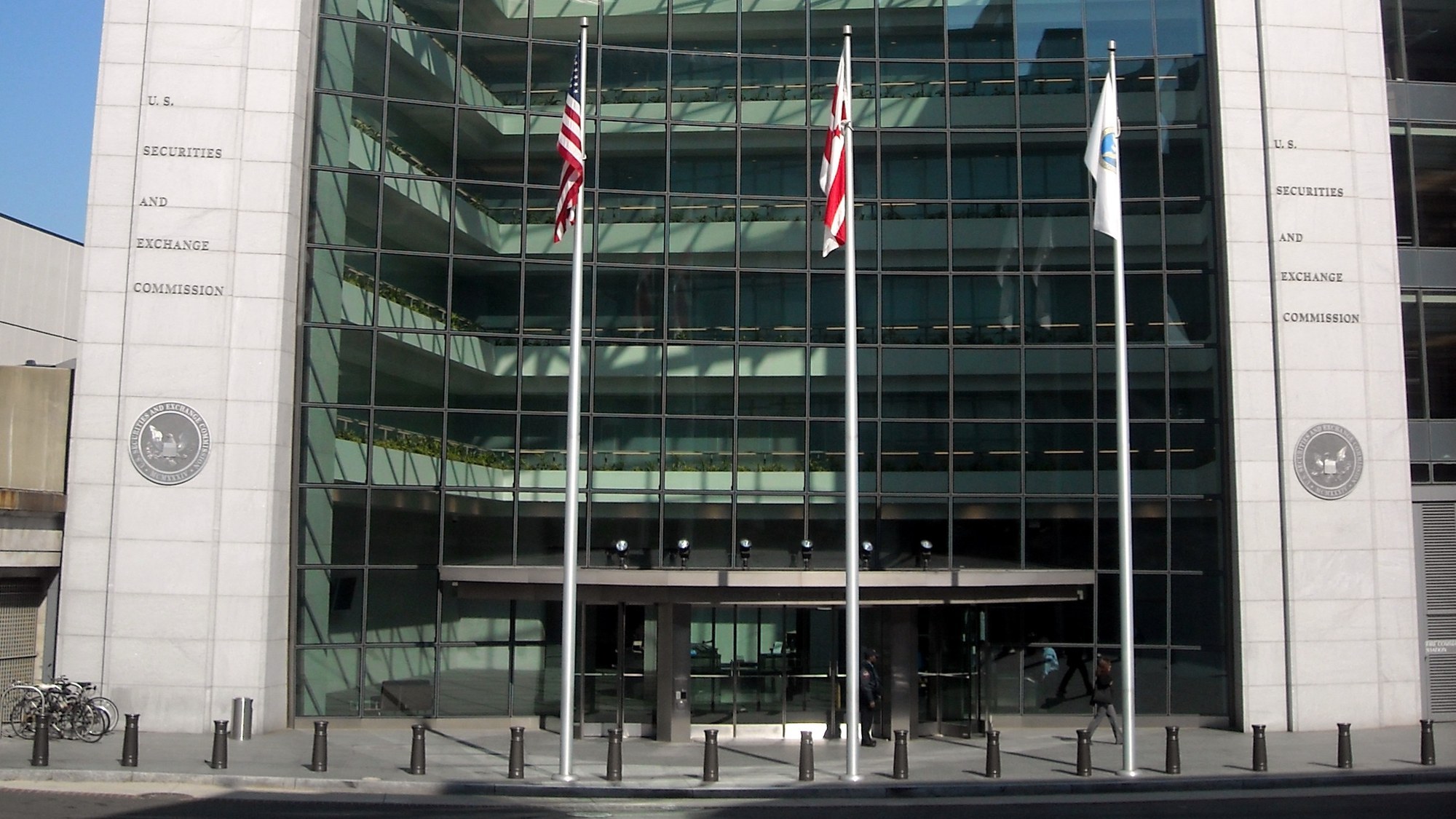
The Securities and Exchange Commission has charged a New Jersey financial promoter and his two companies with running what regulators describe as a Ponzi scheme that took in roughly $16 million from more than 200 investors, many with little or no prior investing experience. The civil complaint, filed September 10, 2026 in federal court in Brooklyn, accuses Ernest Ossei Boateng of telling investors their money was protected by a so-called “financial, investment insurance,” even as he allegedly moved millions into his own home and used other investors’ money to pay off earlier ones. None of the allegations has been proven in court, and the case is at the complaint stage only. For an older investor weighing an unfamiliar pitch, the filing is a live case study in why a promised “insurance” on an investment is not something any legitimate securities firm actually offers.
What the SEC’s Complaint Alleges About Boateng’s Two Firms
According to the SEC, Boateng operated the alleged scheme from at least January 2020 until at least March 2026 through two New Jersey-based entities he controlled, Intercontinental Wealth Network LLC and I Wealth Network LP. The complaint states he primarily targeted Christians of Ghanaian heritage in New York and New Jersey, many of whom had no prior investing experience, telling them their money would generate guaranteed fixed returns through a low-risk investment strategy.
Rather than investing the money as promised, the SEC alleges Boateng misappropriated more than $5.8 million for personal expenses, including the purchase, renovation and furnishing of his own home, and used roughly $6.6 million to make Ponzi-like payments to earlier investors. To the limited extent he did put money to work, the complaint says he used it for high-risk, speculative day trading rather than the low-risk strategy he pitched, generating more than $750,000 in trading losses.
Free retirement updates: Miss an enrollment or claim deadline and it may be gone. Our free Retirement Shield newsletter keeps readers ahead of the ones that matter. Get the free newsletter.
Why “Investment Insurance” Is a Red Flag Regulators Call Out by Name
Thomas P. Smith, Jr., Associate Director of the SEC’s New York Regional Office, said the defendants’ investors included retirees, taxi drivers, home health care providers, students, an ailing widow with young children, and at least two churches and one prayer group. He said the sales pitch included assurances that the investments were safe and without risk, with many investors told their money was protected by “financial, investment insurance.” Smith described that pitch as one of the biggest red flags regulators encounter in these types of scams. Investor.gov’s own list of Ponzi scheme warning signs matches the description: high returns paired with little or no risk, and a directive to “be highly suspicious of any ‘guaranteed’ investment opportunity,” since every legitimate investment carries some degree of risk.
What SIPC Actually Covers — and What It Doesn’t
Older investors sometimes assume a familiar-sounding acronym means their money is guaranteed. The Securities Investor Protection Corporation, a nonprofit created by Congress, protects customer cash and securities of up to $500,000, including a $250,000 limit on cash, if a SIPC-member brokerage firm fails financially. It does not work the way the alleged “investment insurance” pitch described. SIPC’s own guidance states plainly that it does not protect against a decline in the value of securities, and does not protect against losses due to a broker’s bad investment advice or for recommending inappropriate investments. SIPC coverage also only applies to accounts at member brokerage firms in the first place, and it is not the same as FDIC deposit insurance. No form of federal insurance protects an investor against an investment simply losing money.
Checking a Broker or Adviser Before Sending Money
Investor.gov, the SEC’s investor-education site, offers a free tool that lets a saver type in a person’s or firm’s name and see whether that individual is licensed with the SEC, a state regulator, or the Financial Industry Regulatory Authority, along with any disciplinary history on file. The site notes that “unlicensed, unregistered persons commit much of the investment fraud in the United States,” and that the same search can route a user to FINRA’s BrokerCheck database when the person in question is a broker rather than an investment adviser. Running a name through that lookup before wiring money takes a few minutes and costs nothing, whether the pitch comes from a stranger or from someone inside a trusted community.
What the SEC Is Seeking, and What Happens Next
The SEC’s complaint, filed in the U.S. District Court for the Eastern District of New York, charges Boateng, Intercontinental and I Wealth with violating the antifraud provisions of the Securities Act of 1933 and the Securities Exchange Act of 1934, and charges Boateng and Intercontinental separately with violating the antifraud provisions of the Investment Advisers Act of 1940. The agency is seeking permanent injunctive relief, disgorgement of the allegedly ill-gotten gains with pre-judgment interest, civil penalties against all three defendants, and additional conduct-based injunctions against Boateng and Intercontinental. As of September 10, 2026, the defendants had not yet filed a public response, and every figure and characterization in the case remains, by the SEC’s own framing, an allegation still to be tested in court.
This article was produced with the assistance of AI and reviewed by The Financial Wire editorial team.
More Financial Reading
- Bank statements: how long to keep them and when to toss them
- The ideal retirement withdrawal rate so your savings actually last