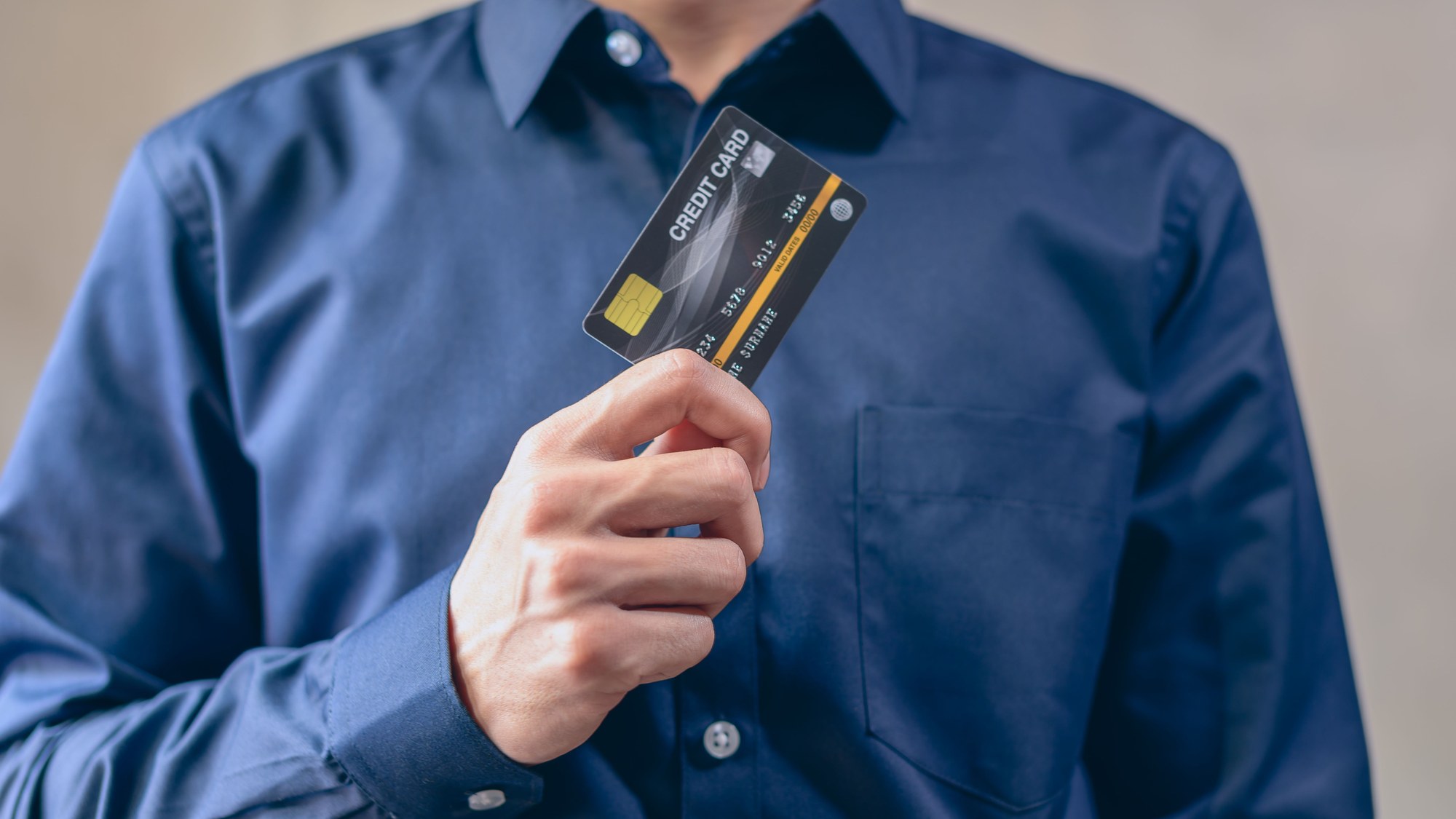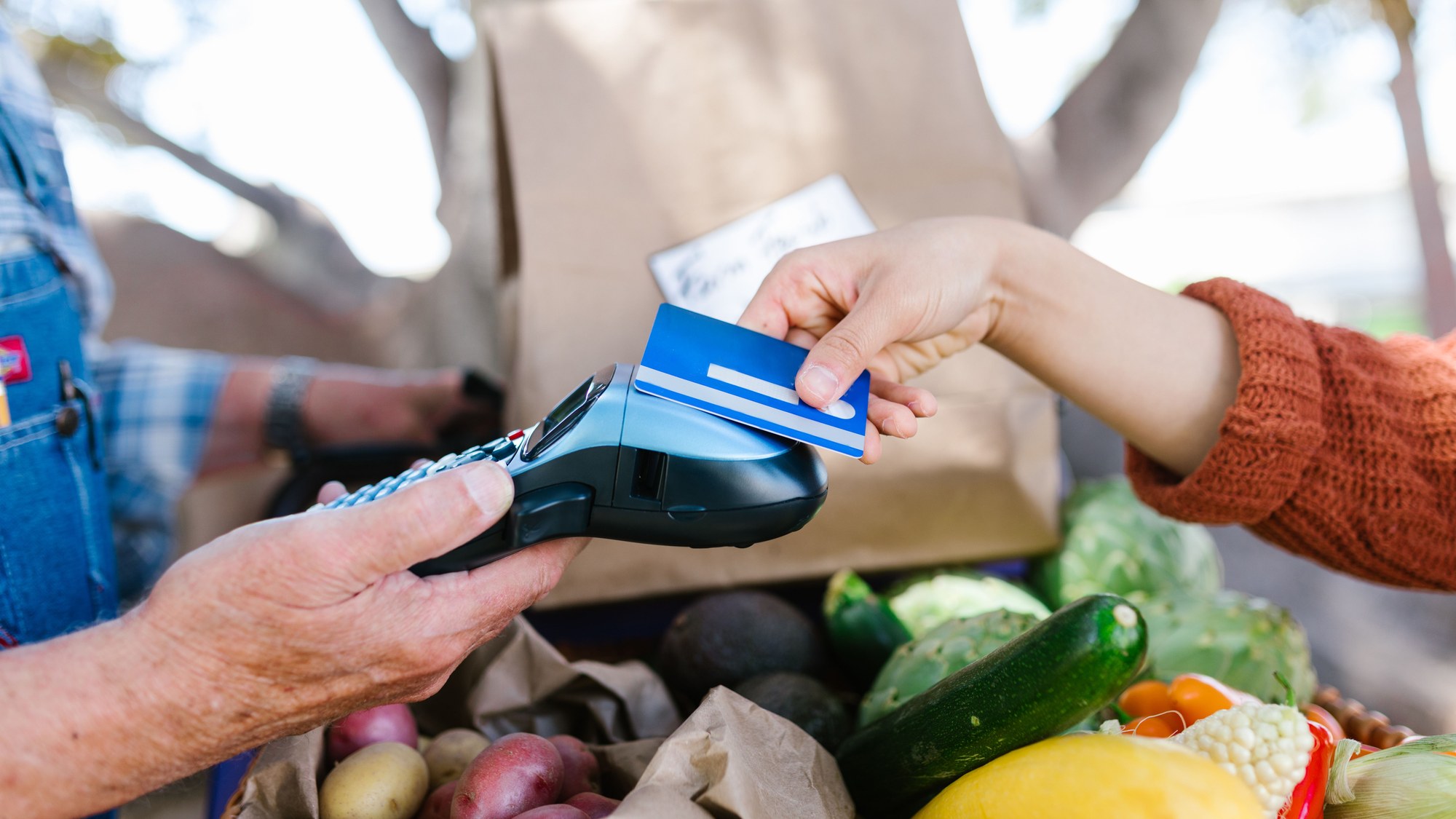
The Trump administration wants every state to move food stamp recipients onto chip-and-tap EBT cards, a change aimed at the skimming thieves use to drain SNAP benefits. The U.S. Department of Agriculture’s proposed rule was published Oct. 23, and public comments on it close Dec. 22. Nothing changes for cardholders yet, because the rule is a proposal and not a final regulation.
People who get SNAP, and anyone who helps a parent or neighbor manage an EBT card, would feel it first. USDA’s summary of the rule says households would have to activate new chip cards when they arrive, and that state agencies would have to bar common PINs. How soon a given state switches depends on a final rule that has not been written and on how much each state is willing to spend.
Retirement deadlines, in your inbox: Miss an enrollment or claim deadline and the money can be gone. Join the Retirement Money Brief and we’ll send you our 2026 Government Check Reality Tracker as a welcome gift.
Get the Brief + the check tracker →
We may earn a commission from links on this page.
What would change on the card?
The proposal, titled SNAP Electronic Benefits Transfer Card Security Measures, would require state SNAP agencies to move to EBT cards that use a chip and NFC, the contactless technology behind tap-to-pay. SNAP retailers would have to accept chip and NFC transactions within a set timeframe, which the agency’s summary does not spell out. Households that are homeless may need to visit a local office to pick up a card.
The rule would also require every state agency to offer specific card security services. The convenience store trade group NACS says the package adds updated SNAP training on secure card use and better data sharing, so participants can see their transaction records and balance inquiry history more easily, according to its Oct. 27 analysis.
Why is USDA going after skimming now?
The department says it “believes EBT cards utilizing chip and NFC technology will significantly reduce SNAP benefit theft.” Its EBT modernization page says “EBT fraud, including the use of card skimming to steal benefits, is on the rise,” and describes chip cards as harder to copy than standard cards.
NPR’s Juliana Kim reported on Oct. 26 that the USDA inspector general projected in January that SNAP theft could reach $233 million between 2025 and 2026, largely from skimming. ProPublica found that $470 million was stolen electronically from recipients last year, using data from the benefits app Propel. USDA estimates the changes would cut stolen benefits by at least $1.5 billion over the next decade.
Who pays for new cards, and how fast?
According to NPR, fewer than a third of states have made the switch or started one, and USDA says the rule has been in development for nearly four years. The department is considering a two-year deadline after the final rule is published and has asked whether two years is enough time. No new money comes with it.
Asked about funding, USDA told NPR: “For years, States had access to administrative funds to stop this egregious abuse of taxpayer resources. Yet few acted.” NPR added that GAO has found chip cards cost about 10 times as much to produce as magnetic-stripe cards, and that state SNAP offices are also under budget pressure from the One Big Beautiful Bill Act.
Retailers are on the clock as well. USDA’s modernization page says people with a chip card “must be able to use their card at all SNAP authorized retailer locations,” and stores in states bordering a chip project must be ready to accept the cards. Margaret Mannion, NACS director of government relations, said the group has “long supported the use of chip technology with EBT payments for its ability to protect SNAP from fraud.”
How can anyone weigh in before Dec. 22?
USDA lists three ways to comment on the proposal: through Regulations.gov, by email to SM.FN.SNAP.Issuance.Policy@usda.gov with the rule’s full title in the subject line, or by mail to the SNAP Innovation Policy and Issuance Division, Issuance Support Branch, 5601 Sunnyside Ave, Beltsville, MD 20705. Comments sent after Dec. 22 miss the window.
Skimming is already happening, and USDA’s scam alert page tells cardholders to keep their PIN secret, cover the keypad, check their EBT account regularly for charges they did not make and change the PIN right away if something looks wrong. For a stolen balance, the page says to contact the local SNAP office. Propel reports that in most states stolen benefits are not replaced.
Will a new SNAP card change your reporting dates?
The card is the part that is changing on paper. The recertification and reporting dates around it are not, and a household that misses one can lose benefits no matter what chip is in the card. With most states not replacing stolen benefits, a late report of an EBT problem costs real money too.
The SNAP & Medicaid Renewal Organizer is a 20-page guide with 51 state packs and a renewal and reporting calendar, so each household’s dates sit in one place before a new card arrives. Part 7 covers reporting changes and EBT problems, which is the step a skimmed card sends people to.
This article was produced with AI assistance and edited for accuracy against the sources linked above.