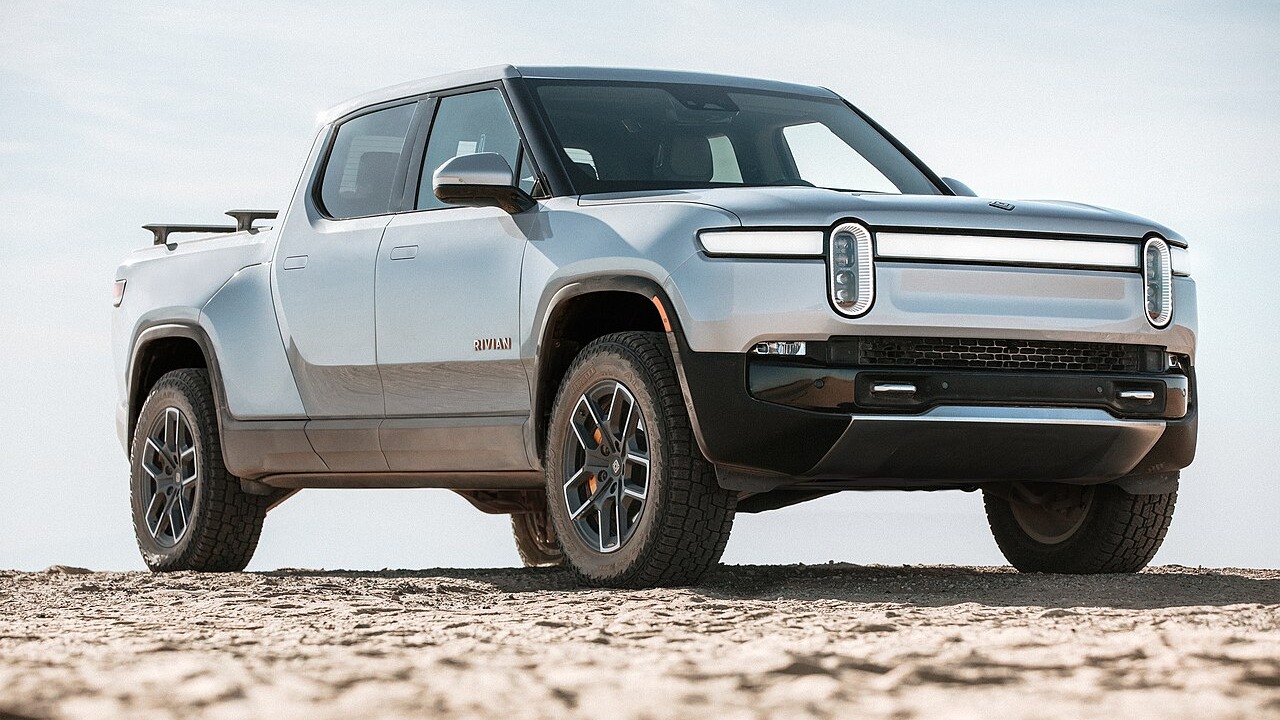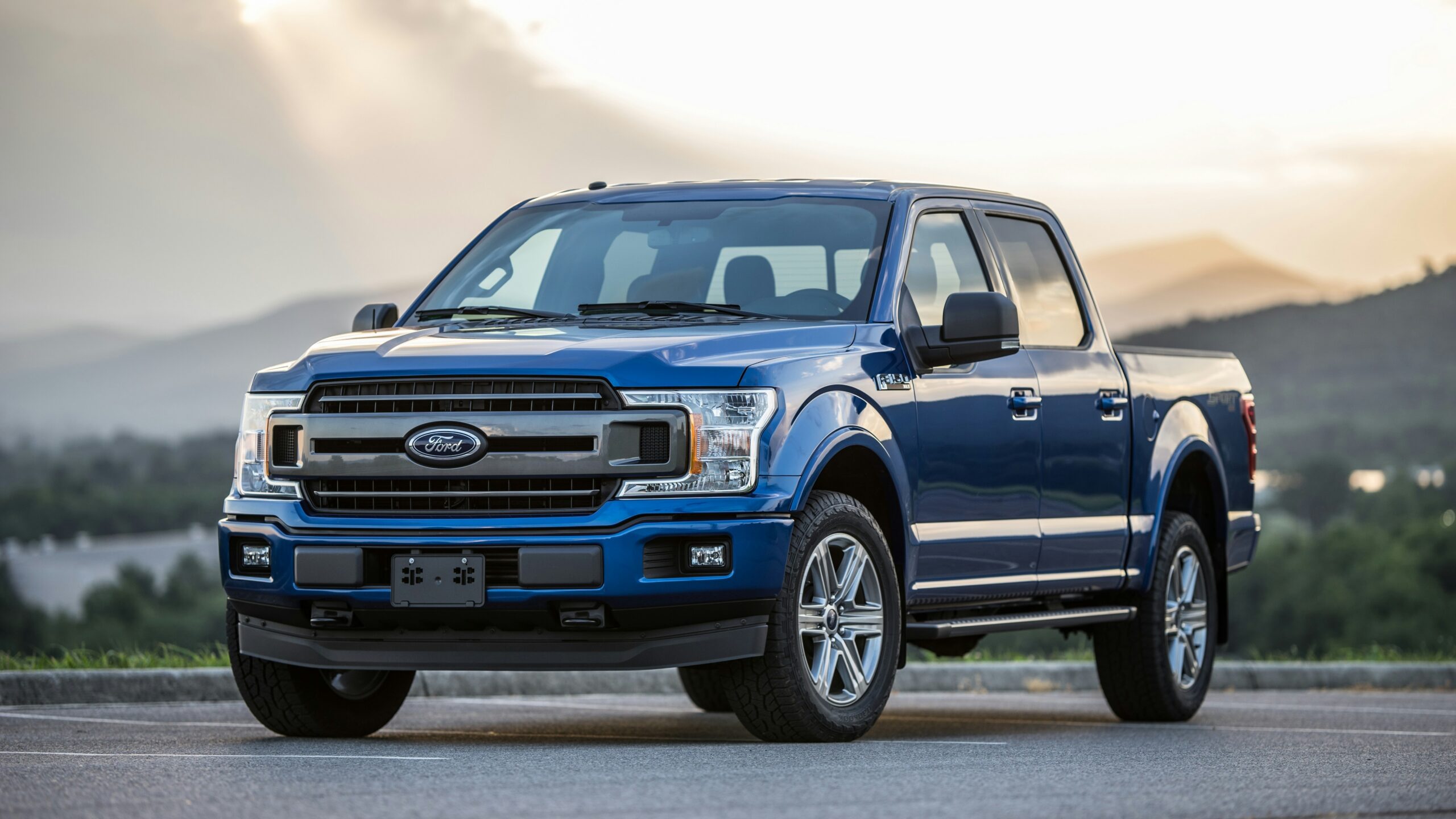
Ford is pulling roughly 1,400 workers out of the plant it built to produce the all-electric F-150 Lightning and redirecting resources toward its gas and hybrid truck lines. The shift at the Rouge Electric Vehicle Center in Dearborn, Michigan, marks a sharp reversal from the automaker’s 2022 commitment to add thousands of jobs for electric vehicle production. At the same time, Ford is expanding F-Series Super Duty output in Canada, betting that commercial-truck demand and multi-energy flexibility will deliver stronger returns than a full-speed push into battery-powered pickups.
Rouge Electric Vehicle Center loses workers as truck demand shifts
The immediate trigger is straightforward: buyers are not ordering enough Lightnings to justify the workforce Ford assembled at Rouge. According to an Associated Press report, about 1,400 workers at the plant will transfer to other Ford facilities or accept retirement offers, a workforce reduction that signals a durable change in production planning rather than a temporary line slowdown. The Rouge Electric Vehicle Center was purpose-built for the F-150 Lightning, and cutting more than a thousand positions there amounts to an admission that the EV truck market has not scaled as quickly as Ford projected.
The contrast with Ford’s earlier trajectory is striking. In 2022, the company used its Ford+ strategy to justify a wave of hiring, announcing thousands of new union roles and upgrades across Midwestern factories. That plan, detailed in a Business Wire release, laid out 6,200 new UAW jobs in the region and the conversion of nearly 3,000 temporary employees to full-time status. The investments were framed as a way to support both EV and internal-combustion product plans, underscoring the idea that electrification and traditional powertrains could grow together. Two years later, the balance has tipped decisively toward gas and hybrid trucks.
Slower-than-expected demand for the Lightning is not occurring in isolation. Across the industry, automakers have been tempering near-term EV targets, citing softening retail orders, price pressure, and the higher cost of financing for big-ticket vehicles. For Ford, the Lightning sits at the intersection of all those pressures: it is an expensive pickup, heavily dependent on consumer willingness to pay a premium for new technology and to live with charging and towing trade-offs that many truck buyers still view cautiously.
By trimming the workforce at Rouge, Ford is effectively recalibrating its production to match a more modest sales outlook. Rather than stockpiling unsold inventory or resorting to steep discounts that erode margins, the company is choosing to free up labor and capital that can be redeployed to more profitable lines. That decision may frustrate advocates who saw the Lightning as a flagship for Ford’s electric ambitions, but it reflects a pragmatic response to the current order book.
Super Duty expansion and the economics driving Ford’s pivot
Ford’s decision to increase heavy-duty truck capacity north of the border tells the other half of this story. The company has outlined plans to expand Super Duty production in Canada, a move aimed squarely at meeting demand from commercial fleets and heavy-duty buyers. These customers tend to purchase on total cost of ownership and uptime rather than on cutting-edge technology alone, and the F-Series Super Duty line generates some of Ford’s highest per-unit margins.
Strong order books for Super Duty trucks are pulling capital and assembly capacity away from the Lightning program and toward lines that can deliver near-term profit. In a capital-intensive business, the math is straightforward: if one plant is building vehicles that sit on dealer lots while another is filling pre-sold fleet orders, investment will flow to the latter. For Ford, prioritizing Super Duty production also supports its Ford Pro commercial division, which has become a key earnings driver.
The Canadian expansion includes what Ford describes as future multi-energy technology, a deliberately broad label that can encompass hybrid and plug-in hybrid systems alongside conventional gasoline engines. That language matters because it signals Ford is not abandoning electrification entirely. Instead, the company is hedging, designing new capacity that can flex between powertrains as regulations and buyer preferences evolve, without locking itself into a second factory dedicated solely to battery-electric trucks.
This multi-energy approach also gives Ford a way to respond to regional differences. In markets or use cases where charging infrastructure is limited or towing demands are extreme, hybrids or efficient gas engines may remain the preferred option for years. In others, especially where fleet operators can install depot charging, plug-in or full battery-electric variants could gain share. Building that flexibility into the production footprint is a form of risk management.
Human and strategic consequences of Ford’s rebalancing
For the workers affected at Rouge, the consequences are concrete and immediate. Transfers can mean uprooting to a different plant, often in another city, or weighing retirement packages against the uncertainty of future assignments. While Ford is emphasizing that many employees will be offered roles elsewhere in its manufacturing network, the shift underscores how quickly EV optimism has cooled into a more cautious, profit-focused stance.
Strategically, the company is threading a narrow path between long-term commitments to reduce emissions and short-term pressure to deliver returns. The Lightning remains in the lineup and still carries symbolic weight as an electric version of Ford’s best-known nameplate. Yet the reallocation of workers and capital makes clear that, for now, gas and hybrid trucks – especially in the lucrative commercial segment – are the vehicles paying the bills.
How lasting this pivot proves will depend on factors far beyond Ford’s control, from government policy and charging buildout to battery costs and the broader economic cycle. What is clear today is that the company is no longer treating all-electric pickups as the centerpiece of its truck strategy. Instead, it is betting that a diversified mix of powertrains, anchored by profitable heavy-duty models, offers a more reliable route through an uncertain transition.