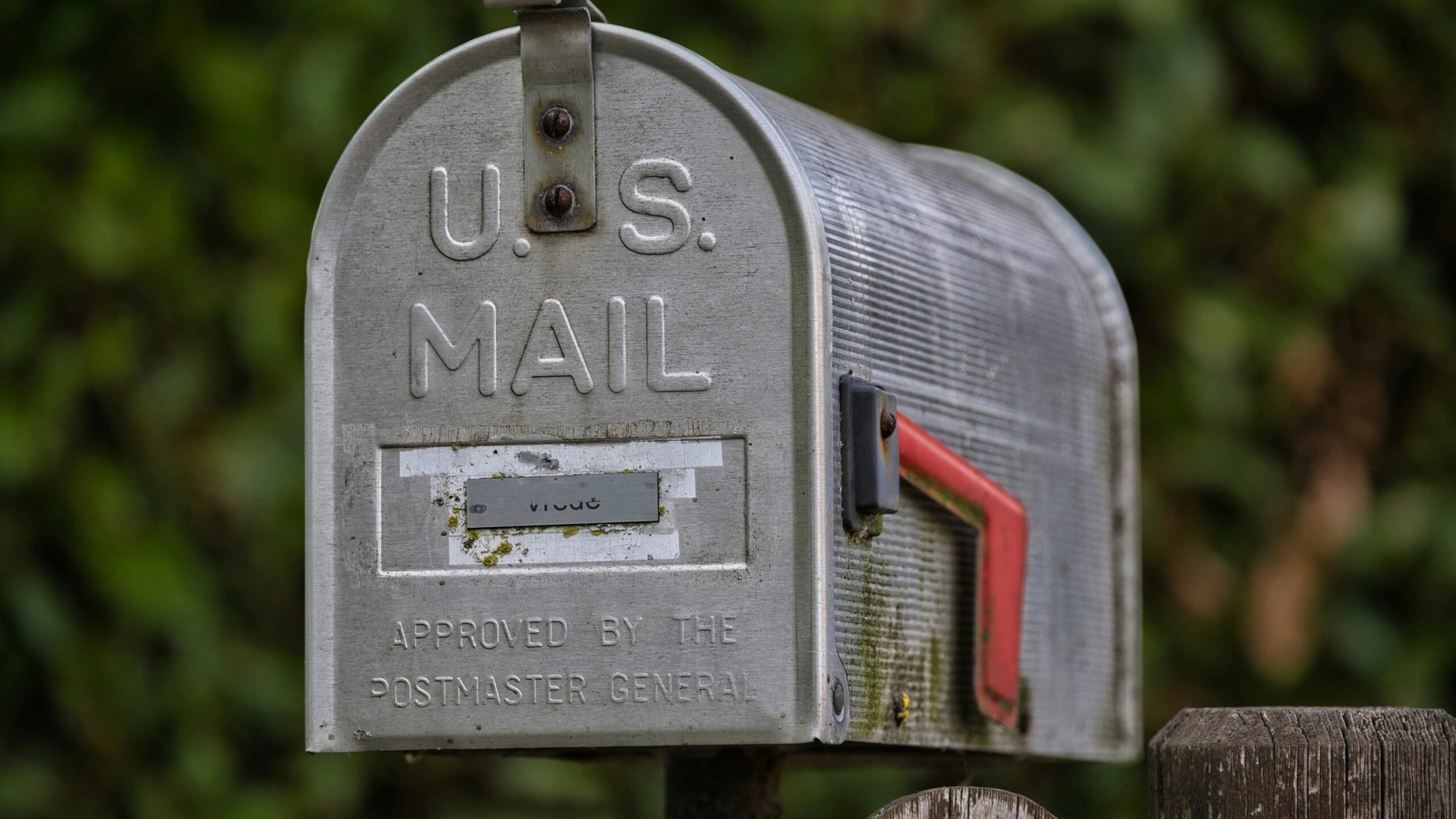
It begins with something as low-tech as a fishing line. A thief lowers a sticky trap or a baited string into a blue collection box or an unlocked residential mailbox, pulls out whatever envelopes come with it, and looks for one thing above all: a paper check. From there the fraud turns almost surgical. Using common solvents, criminals soak the check to lift away the ink, leave the signature intact, and rewrite the payee and the amount, a trick known as check washing that can quietly empty a retiree’s account.
Older Americans are frequent targets because they still write and mail more paper checks than younger generations, often for rent, utilities, church donations, or a grandchild’s birthday. A single stolen and rewritten check can expose the full balance sitting behind it, and the theft may go unnoticed until a statement arrives weeks later.
How check washing actually works
Once a stolen check is in hand, the mechanics are grimly simple. The paper is bathed in an everyday chemical to dissolve the handwritten ink while preserving the printed account and routing numbers along the bottom. The thief then writes in a new payee, usually an accomplice or a fake name tied to a newly opened account, and inflates the amount. The U.S. Postal Inspection Service, the federal law-enforcement arm that investigates mail theft and related fraud, warns that a washed check often clears before the account holder ever sees the transaction, because the routing information is genuine and the signature looks real.
Free retirement updates: Want plain-English help keeping more of your money in retirement? The free Retirement Shield newsletter covers the benefits, deadlines, and money mistakes that cost retirees, a couple times a week. Subscribe free.
Why the problem exploded
Federal financial regulators have flagged mail-theft-related check fraud as a nationwide surge, not an isolated street crime. In a standing alert to banks, the Treasury Department’s Financial Crimes Enforcement Network described organized rings that steal mail in bulk, wash the checks they recover, and either cash them, deposit them into money-mule accounts, or sell the account details online. Stolen mailbox keys, including the master “arrow keys” used to open blue collection boxes, have made high-volume theft easier, and the checks harvested this way feed a resale market where a single genuine account number can be worth far more than the original check’s face value.
The warning signs that a check was intercepted
The clearest signal is a check that never reaches its destination. A bill marked unpaid when the payment was mailed on time, a utility or lender reporting no record of a check that left the house days earlier, or a bank statement showing a payment to an unfamiliar name in an unexpected amount all point toward interception. Consumers who spot an odd transaction should treat speed as everything: contacting the bank immediately, because the window to dispute a fraudulent check and recover the money narrows quickly once it clears. The Federal Trade Commission’s guidance on spotting and reporting scams underscores that reporting fast improves the odds of a reversal and helps investigators trace the ring behind it. A free Postal Service tool called Informed Delivery, which emails a daily preview image of the mail scheduled to arrive, can surface an interception early: a check or bank statement that shows up in the morning preview but never lands in the box is a strong sign it was pulled somewhere in transit.
Cutting off the thieves’ supply
Because the scheme depends on getting a paper check into criminal hands, the strongest defenses attack that first step. Paying bills electronically eliminates the mailed check entirely, and for payments that must go by mail, dropping the envelope inside a post office rather than a curbside box removes the easiest target. Where paper is unavoidable, a pen with pigment-based or gel ink resists chemical washing far better than standard ballpoint ink, and never leaving outgoing mail in a home box with the flag up denies thieves an obvious signal. Retirees who travel can place a hold on delivery so mail is not left accumulating in an unattended box, a free service the Postal Service provides for exactly this reason.
What recovery really looks like
When a washed check does drain an account, the path back runs through both the bank and federal investigators. Reporting the theft to the Postal Inspection Service creates a record that can link one victim’s loss to a broader ring, and notifying the bank in writing preserves the account holder’s dispute rights. Recovery is far from guaranteed, and the practical lesson from investigators is consistent: the households that lose the least are the ones that stop mailing checks from unsecured boxes before a thief ever gets the chance to fish one out.
Who absorbs the loss, and the clock that decides it
A washed check is an altered item, and in principle the bank that paid it out on a forged or changed instruction can bear responsibility for making the customer whole. That protection, though, is tied hard to speed. Under longstanding banking rules, an account holder is generally expected to review statements and report an altered or forged check promptly, often within about 30 days of the statement being made available, and a customer who lets months pass can lose the right to be reimbursed for later fraud committed by the same wrongdoer. The practical consequence is stark: the retiree who reads each statement line by line and flags the first bad item immediately stands on far firmer ground than one who leaves envelopes unopened. Reporting the theft in writing, and keeping the bank’s dated acknowledgment, preserves the claim if the institution later disputes when it was told. Because criminals often test a stolen account with a small transaction before a large one, catching the first odd debit can stop the second before it clears.
This article was produced with the assistance of artificial intelligence and reviewed by The Financial Wire editorial team.
More Financial Reading
- The ideal retirement withdrawal rate so your savings actually last
- Bank statements: how long to keep them and when to toss them