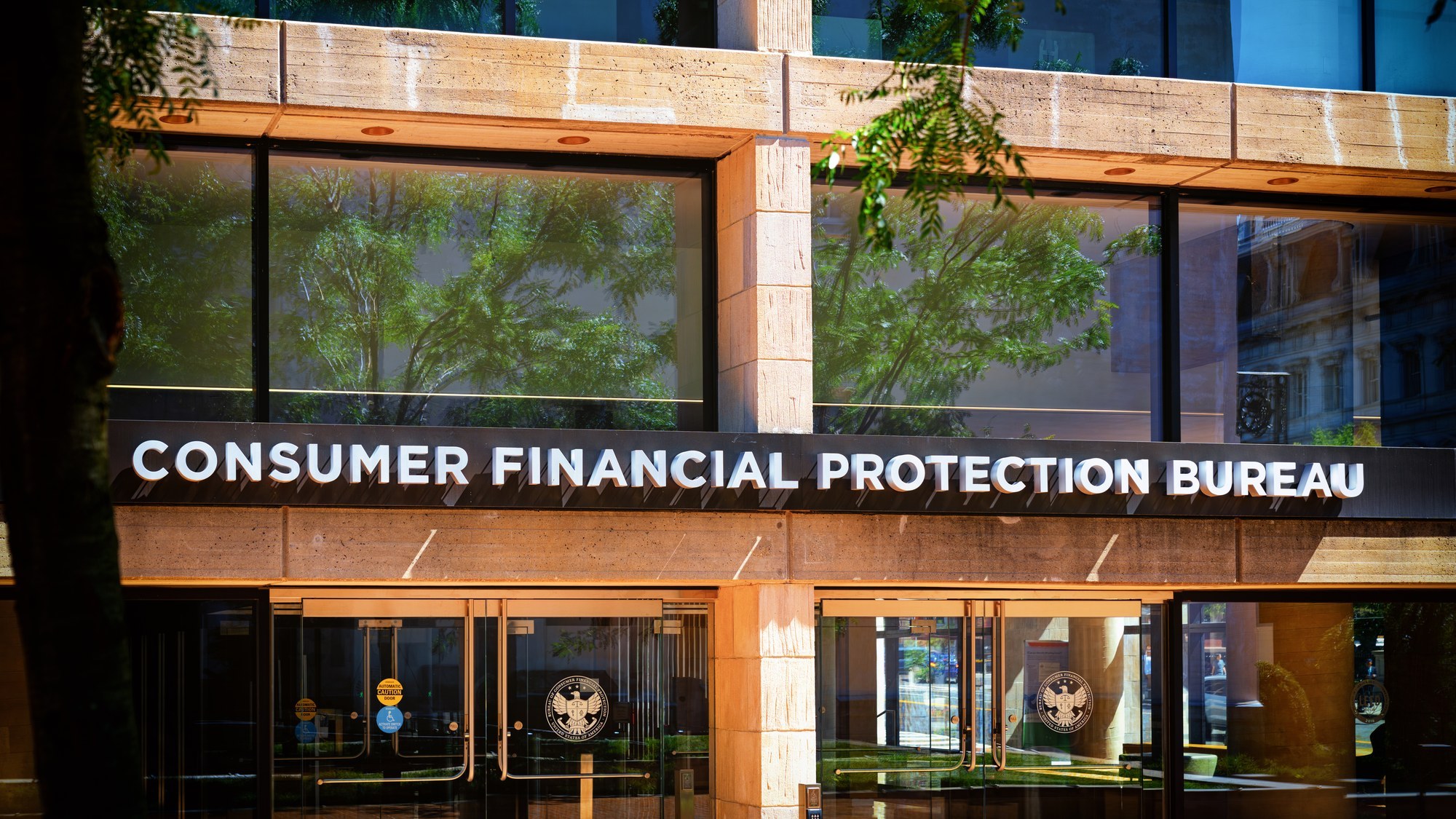
House Financial Services Committee members voted 28-21 along party lines on Sept. 16 to advance the Consumer Financial Protection Accountability and Reform Act of 2026, which would move the Consumer Financial Protection Bureau’s funding out of the Federal Reserve system and into the standard congressional appropriations process, and would raise, from $10 billion to $30 billion, the bank asset threshold that triggers the bureau’s direct examination authority. The bill, H.R. 10184, cleared only the committee; a House floor vote, Senate passage and a presidential signature all remain before any of it changes how the CFPB operates, or how any bank the bureau currently examines is supervised.
What the CFPB budget vote leaves alone: Whatever Congress ultimately decides about the CFPB’s funding, a current dispute over a frozen account or a blocked federal deposit is still governed by the same federal protection rules described in The Bank Account & Debt Protection Kit. See the 2-month bank protection rule →
A Party-Line Vote On How The Bureau Gets Paid
The committee’s own record of the Sept. 16 markup shows H.R. 10184 “AGREED TO by a vote of 28 YEAS and 21 NAYS,” one of nine bills the committee took up that day. The vote broke entirely along party lines, with every yes vote Republican and every no vote Democratic. The bill’s sponsor, Rep. Andy Barr, R-Ky., introduced it Aug. 31; Committee Chairman French Hill said it “establishes durable guardrails to make the CFPB more accountable and transparent.” The bill also touches how the bureau issues civil investigative demands, the formal document requests it sends when opening an inquiry, requiring a clearer factual basis and scope before one goes out, a change the committee’s own description frames as a check on open-ended requests rather than a limit on the bureau’s ability to investigate a genuine complaint. A separate bill taken up the same day, the Civil Investigative Demand Reform Act, addresses that same document-request process directly and passed by a narrower 29-20 margin, underscoring how much of the day’s agenda concerned the mechanics of CFPB oversight specifically rather than banking policy generally.
Why Moving The CFPB’s Funding Is Contested
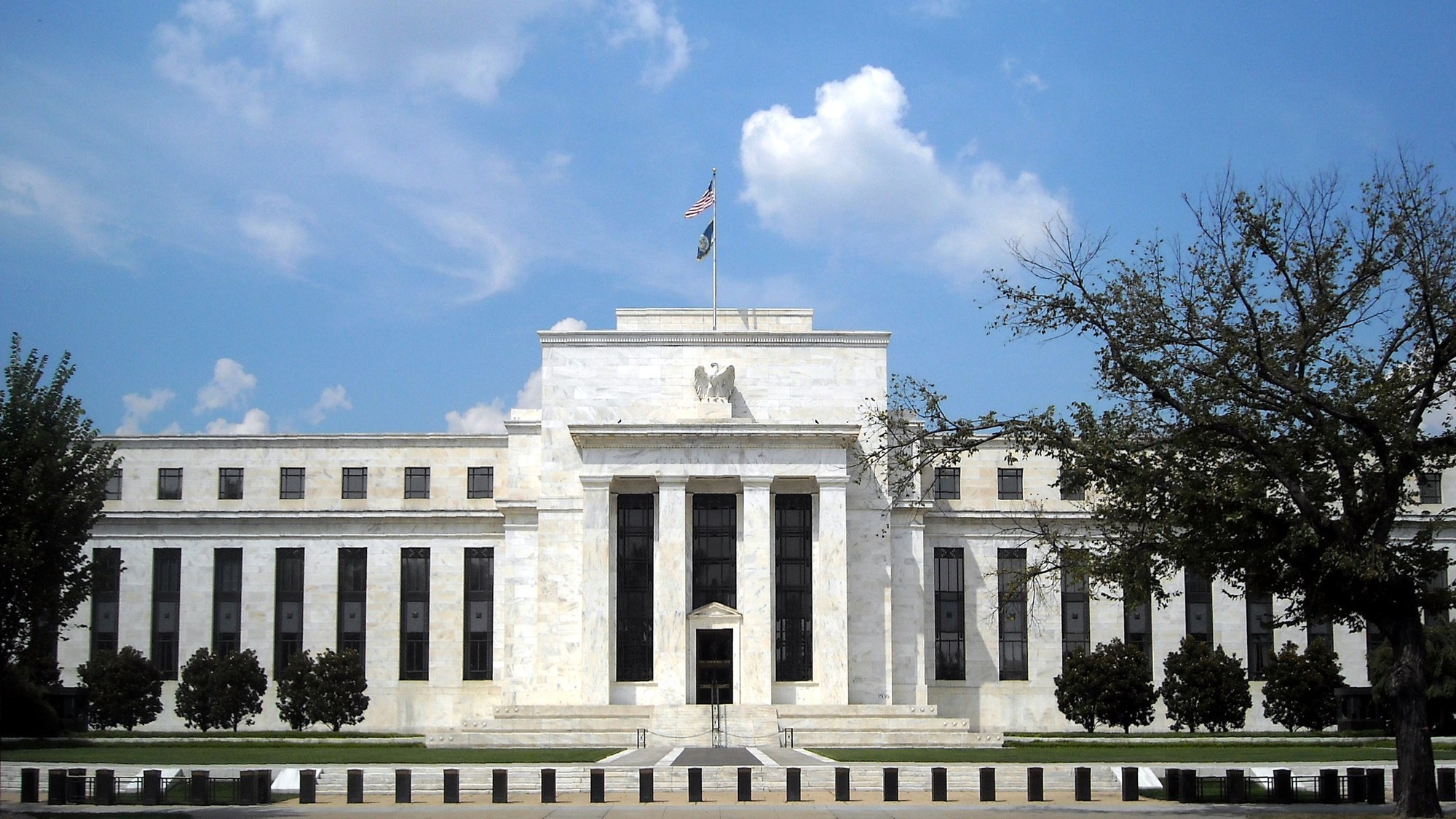
The CFPB currently draws its budget directly from the Federal Reserve, subject to a statutory cap, rather than from the annual appropriations bills that fund most federal agencies. Barr has argued the bureau’s “current structure does not provide sufficient accountability and transparency.” Rep. Bill Foster, D-Ill., countered that Congress had “deliberately established the CFPB’s existing funding mechanism through the Federal Reserve to provide the Bureau with independence from congressional pressure,” and Rep. Sylvia Garcia, D-Texas, called the bill “an attempt to eliminate the Bureau.” Whether subjecting the CFPB’s budget to the same annual approval process as every other federal agency strengthens oversight or gives future Congresses a lever to squeeze the bureau’s enforcement capacity is the substance of that disagreement, and it is the same disagreement that produced the 28-21 split. The CFPB has operated outside the annual appropriations process since it was created in 2010, funded instead through transfers from the Federal Reserve capped by statute, a structure Congress deliberately chose at the time specifically to insulate the bureau’s budget from the same politics now driving this bill.
What The $30 Billion Threshold Would Change
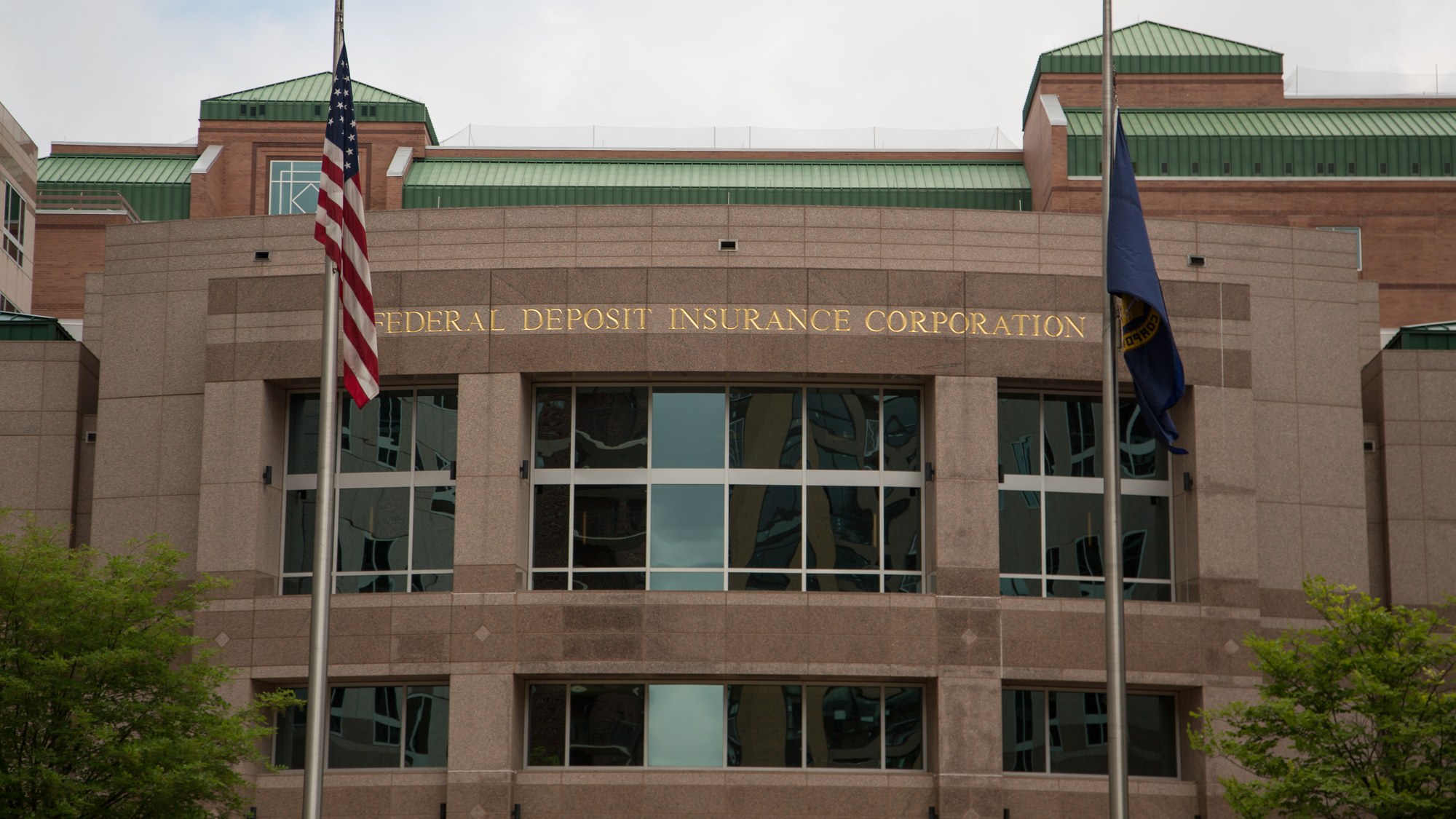
The CFPB’s own published guidance states that it “has supervisory authority over banks, thrifts, and credit unions with assets over $10 billion, as well as their affiliates,” the threshold set when the bureau was created under the Dodd-Frank Act. H.R. 10184 would triple that figure to $30 billion, which would move a number of midsize banks out of the CFPB’s direct examination program and back under the primary supervision of their existing federal regulator, such as the FDIC, the OCC or the Federal Reserve. Those regulators still enforce many of the same federal consumer-protection laws; what changes is which agency’s examiners show up to check compliance, not whether the underlying law still applies to a bank’s deposit or lending practices. A bank that crosses out of direct CFPB supervision today still answers to its prudential regulator for the same fair-lending and deposit rules the CFPB currently checks on site.
The Steps Left Before Any Of This Takes Effect
A bill “ordered to be reported,” in the language of its own official status record, has cleared only the committee stage. It still needs to be scheduled for a House floor vote, then pass the Senate, likely in a different form, before it could reach the president’s desk, and nothing about the CFPB’s funding or supervisory threshold changes before that full sequence plays out. The committee’s Sept. 16 session also advanced two other bills discussed here tonight, the American Lending Fairness Act and the TRAPS Act, both cleared the same day and both, like H.R. 10184, sitting only at the committee-passed stage. Nothing in any of the three bills has reached the House Rules Committee, which schedules floor votes, and none has a companion bill moving in the Senate, where a filibuster-proof 60 votes would ultimately be needed absent a budget-reconciliation path that a funding-structure change like this one may not qualify for, a sequence the committee’s own Sept. 16 markup record leaves entirely undecided.
The Federal Rule That Still Protects A Bank Account
The CFPB Reform Act of 2026 would move the bureau’s funding into the annual congressional appropriations process and raise the asset threshold for banks under its direct exam authority, but it does not touch the separate federal rule that shields a Social Security or other federal benefit deposit from a garnishment order for two months after it lands in an account. That protection still has to be asserted with the bank in writing, and whatever a debt collector claims about the same account still has to be checked before any money moves.
The Bank Account & Debt Protection Kit sets out the 2-month bank protection rule alongside the debt-validation steps for challenging a collector’s claim before funds are released.
Check whether a collector’s claim on a bank account holds up →
This article was produced with AI assistance and checked against the primary sources linked above.