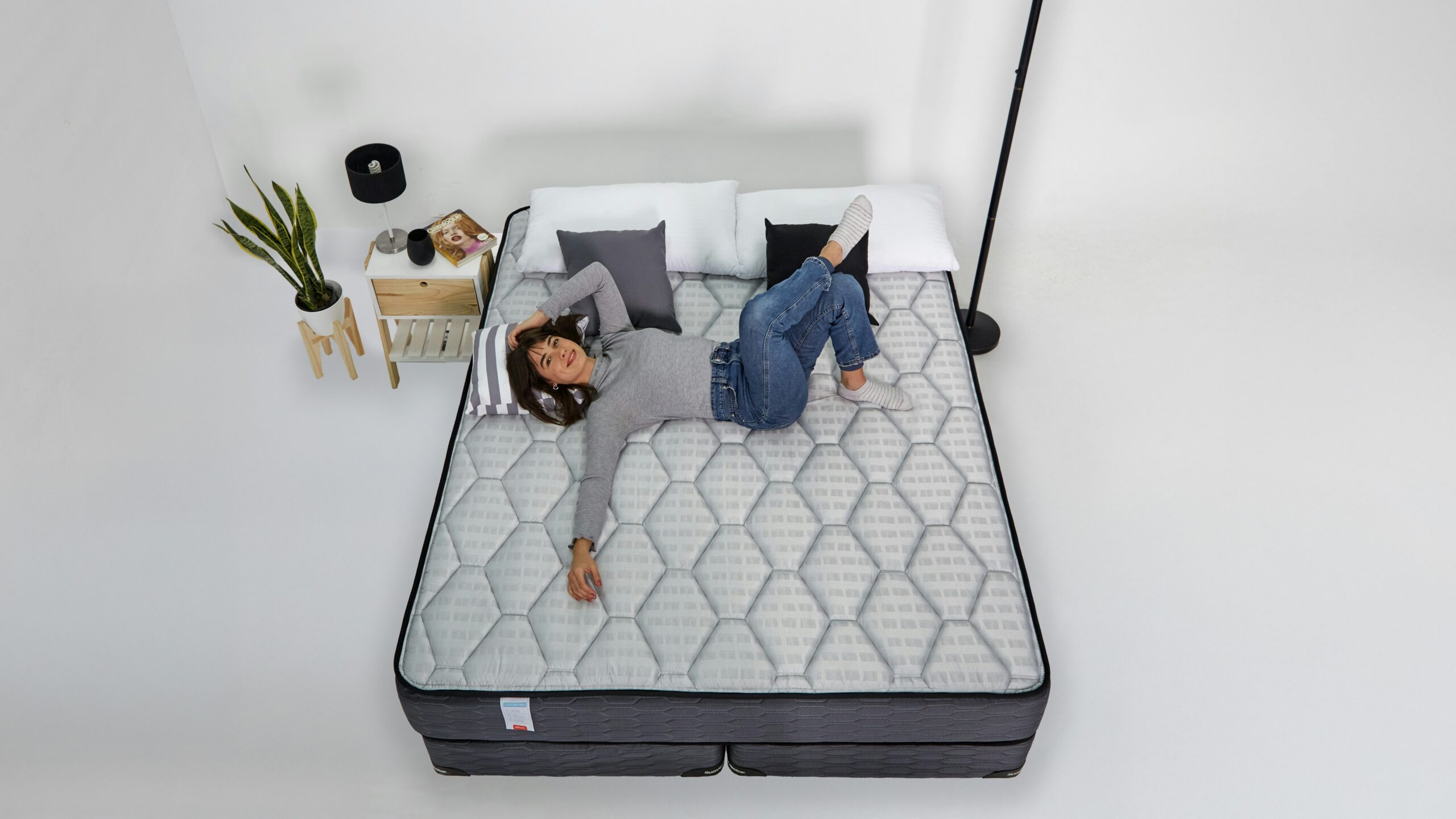
Consumers who bought memory-foam mattresses from certain brands and felt misled by advertising claims now have a narrow window to file for a share of settlement funds. The deadline falls on August 27, and the total payout pool reportedly reaches $9 million split among three mattress companies. Federal regulators have already taken action against at least two memory-foam sellers over separate advertising disputes, establishing a pattern of enforcement that raises the bar for how mattress brands market their products.
FTC enforcement history puts memory-foam advertising on notice
The Federal Trade Commission has built a track record of challenging mattress companies that make unsupported or misleading claims. In one high-profile case, the agency sent payments to consumers who were misled by false “Made in USA” statements connected to DreamCloud mattresses. That action targeted Resident Home, the parent company of Nectar Sleep, for marketing DreamCloud products as domestically manufactured when they were not. The FTC distributed refunds directly to affected buyers after the company’s origin claims were found to be deceptive.
In a separate proceeding, the FTC opened case number 122-3130 against Essentia Natural Memory Foam Company over substantiation and advertising issues related to its foam products. That matter focused on whether Essentia could back up the performance and environmental attributes it promoted to consumers. Regulators scrutinized claims about the nature of the foam, its benefits, and how those benefits were presented in marketing materials.
Together, these two enforcement actions show that the FTC treats memory-foam marketing claims with real scrutiny, whether those claims involve product origin, material composition, or performance benefits like cooling or pressure relief. The clustering of these cases suggests that brands relying on rapid-cooling, pressure-relief, or organic-material claims without adequate scientific backing will face tighter review from federal regulators. Companies that cannot produce test data or third-party verification for their advertising language risk enforcement action, consumer refunds, and reputational damage.
What the verified record shows about mattress settlement patterns
The DreamCloud enforcement action offers a concrete model for how these disputes can play out. The FTC identified that the company’s “Made in USA” marketing was false, pursued the case against Resident Home, and then distributed payments directly to consumers who had been misled. That sequence-from investigation to consumer payout-mirrors the structure of class-action settlements where buyers file claims against a shared fund, even though the legal mechanisms differ.
The Essentia case adds another layer. By targeting substantiation failures in memory-foam advertising specifically, the FTC signaled that vague or aspirational product claims about foam technology will not survive regulatory review without hard evidence. Brands that advertise specific health or comfort benefits tied to their foam formulations need clinical data or independent testing to support those statements. Unsupported promises about spinal alignment, toxin-free construction, or dramatic temperature control are especially likely to draw attention.
For consumers considering whether to file a claim before the August 27 deadline, these precedents are instructive. Past FTC actions have resulted in direct payments to affected buyers, and settlement administrators typically require only proof of purchase and basic personal information. Consumers who believe they were harmed by deceptive mattress advertising but are not sure whether they are covered by the current settlements can review guidance and submit reports through the FTC’s fraud portal, which helps connect complaints with potential enforcement or redress programs.
Open questions about the three-brand settlement
While the total settlement pool has been reported at $9 million across three memory-foam brands, many details remain unclear for prospective claimants. Public reporting to date has not fully spelled out how much of the fund each company is responsible for, how payments will be allocated among approved claims, or what specific advertising statements triggered the dispute. Consumers may also be unsure whether the settlement covers only certain models or purchase dates, or whether accessories like toppers and pillows are included.
Another open question involves how the settlement administrators will verify eligibility. In some past cases, consumers have been able to file claims without receipts if they could provide alternative documentation, such as order confirmations or account screenshots. In others, strict proof-of-purchase rules have limited payouts to buyers who kept detailed records. Until the full claim instructions are published, mattress owners who think they might qualify should gather any emails, invoices, or warranty documents related to their memory-foam purchases.
The relationship between this three-brand settlement and earlier FTC enforcement actions is also not fully defined. The DreamCloud and Essentia matters demonstrate that regulators are willing to intervene when marketing crosses the line, but the current settlement appears to be driven by civil claims rather than a new federal penalty. That distinction matters because it affects how notice is sent, how long consumers have to respond, and whether payments arrive automatically or only after a claim is filed.
What is clear is that memory-foam marketing is under sustained scrutiny. Companies that promote bold performance or origin claims without robust evidence now face a higher risk of legal and regulatory consequences. For consumers, the August 27 deadline is a reminder to pay attention not only to comfort and price when buying a mattress, but also to how confidently a brand can document the promises it makes in its ads.
Free tool for readers: Built for Americans 55 to 80: a free, plain-English retirement check. See your Retirement Safety Score — your 0–100 number and a few steps — in about five minutes, no account needed.