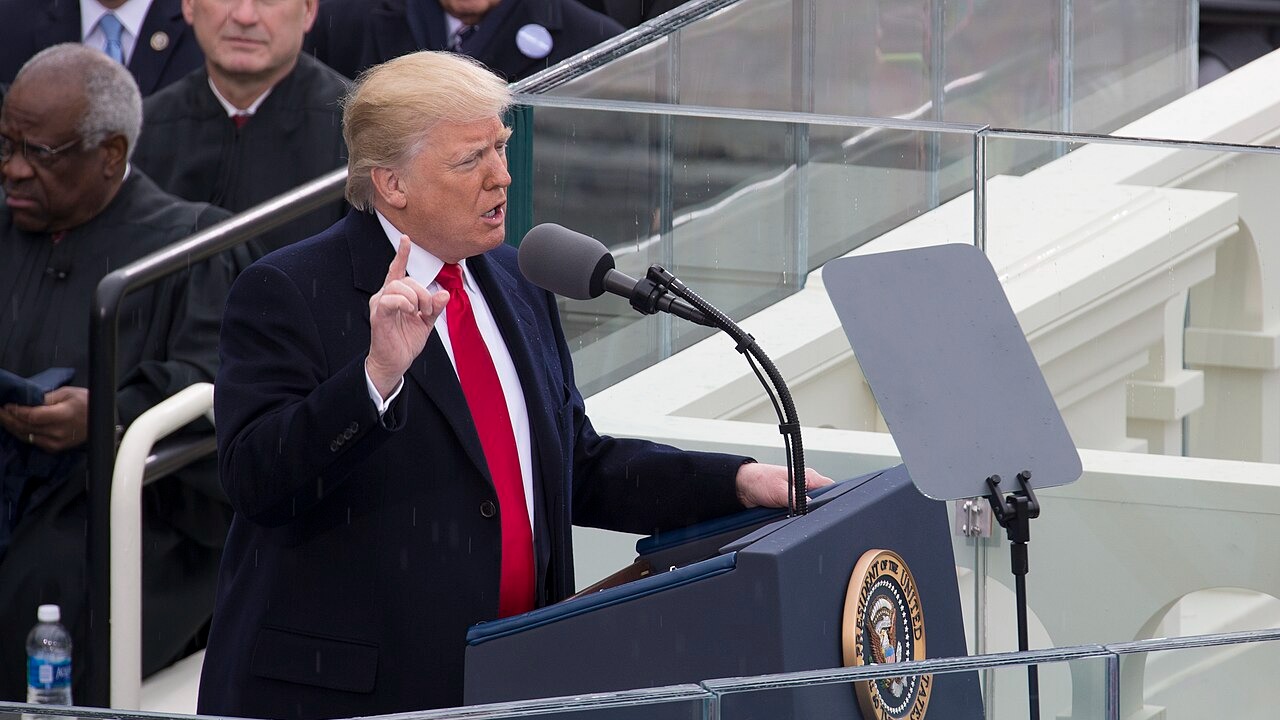
On May 19, President Trump signed an executive order that put every federal financial regulator on a 90-day clock: identify every rule, guidance document, and application bottleneck that prevents fintech companies from obtaining Federal Reserve master accounts or bank-like charters. The directive, titled “Integrating Financial Technology Innovation into Regulatory Frameworks” and published on the White House website, also gives the Federal Reserve Board 120 days to evaluate the legal framework governing access to central bank services and deliver a public report.
The order does not name specific companies. But PayPal, Coinbase, and Stripe have each been identified in Reuters reporting as firms positioned to pursue direct Fed access once the regulatory path clears. None has confirmed a formal application, and the Fed’s public master account database, which covers requests filed after December 23, 2022, shows no entry for any of them as of the most recent quarterly update in spring 2026. Still, each has reason to want in: PayPal holds a Luxembourg banking license and dozens of state money-transmitter licenses; Stripe runs banking-infrastructure products through its Treasury and Issuing platforms; and Coinbase has pursued trust-company charters at the state level. The practical effect of the executive order is to force regulators to explain, on a deadline, what stands between companies like these and the Fed’s core payment system.
Why a Fed Master Account Matters
A master account is the credential that unlocks direct access to the Federal Reserve’s payment services: Fedwire for large-value transfers, FedACH for everyday transactions like payroll deposits and bill payments, and, since July 2023, FedNow for real-time settlement. Banks with master accounts can settle in central bank money, the safest and most final form of payment in the U.S. financial system. Without one, a fintech company must route every transaction through a partner bank that holds an account, paying fees and accepting the partner’s processing timelines.
The Fed has historically limited master accounts to chartered depository institutions and has defended that boundary aggressively. In January 2023, the Federal Reserve Bank of Kansas City denied a master account application from Custodia Bank, a Wyoming special-purpose depository institution focused on digital assets. Custodia challenged the denial in federal court, and the litigation has continued through multiple rounds of briefing without a final resolution. That case looms over the current debate: the executive order’s 90-day review is, in part, a political response to years of fintech applications that stalled or were rejected under existing frameworks.
The Fed Was Already Moving Before the Executive Order
The White House directive did not land on a blank slate. In December 2025, the Federal Reserve Board published a request for public comment on a new category it called a “payment account.” The concept would allow eligible financial institutions to clear and settle payments through the Fed without receiving interest on balances, accessing the discount window, or holding a full master account. Balance caps would apply, and the account would not carry the full suite of privileges that traditional banks enjoy.
The Fed formalized that concept further on May 26, one week after the executive order, when a proposed rulemaking appeared in the Federal Register. The proposal would revise the Fed’s Payment System Risk policy and its Account Access Guidelines to accommodate payment accounts and introduce timing expectations for reviewing access requests. The one-week gap between the executive order and the Fed’s publication suggests the Board’s internal work and the White House’s political push are now running on parallel tracks, even if they started independently.
The December 2025 request for comment included a statement from the Board warning that any expansion of access must preserve examination authority, particularly for Bank Secrecy Act and anti-money-laundering compliance at institutions the Fed does not currently supervise. The concern targets a specific gap: if fintech firms gain clearing access without submitting to the same examination regime that traditional banks face, the Fed could inherit risk it cannot monitor. The payment account proposal was framed as a way to improve efficiency while keeping the Fed’s oversight tools intact.
What the Executive Order Does and Does Not Do
The order sets two hard deadlines. By mid-August 2026, every federal financial regulator, including the Office of the Comptroller of the Currency, the Federal Deposit Insurance Corporation, and the Consumer Financial Protection Bureau, must complete an inventory of every regulation, supervisory practice, or application process that blocks fintech entry, partnerships, or charters. By mid-September 2026, the Fed Board must deliver its own evaluation of the legal and regulatory framework for fintech access to central bank services.
What the order does not do is mandate any specific outcome. It requires inventories and recommendations, not rule changes. Regulators could respond by proposing streamlined charter pathways, or they could conclude that existing barriers are justified and recommend only minor adjustments. The OCC, for instance, attempted to create a special-purpose national bank charter for fintech companies during the first Trump administration. That effort drew legal challenges from state regulators and banking trade groups, and the OCC voluntarily withdrew the proposal without finalizing the charter or receiving a definitive court ruling. Whether the current review revives that idea or charts a different course remains an open question.
The shape of any new charter also matters. Some fintech firms have previously explored industrial loan company structures, which allow commercial firms to own banks in states like Utah. Others have pursued limited-purpose trust charters at the state level. The executive order does not endorse any single model. The 90-day review could produce a push toward a more standardized national framework, or it could leave the current patchwork largely intact, with the Fed’s payment account serving as one incremental addition rather than a wholesale redesign.
What Changes for Consumers and Markets
If large consumer-facing fintechs eventually secure direct Fed access, the most immediate effect would be faster and cheaper payment processing. Transactions that currently take a day or more to settle through intermediary banks could clear in minutes or even seconds, particularly if fintechs gain access to FedNow’s real-time rails. Companies could pass some of those savings to users through lower fees or faster fund availability, sharpening competition with traditional banks that have long benefited from their exclusive position on Fed payment infrastructure.
But direct access also introduces new risks. Fintech firms that connect to the Fed without holding insured deposits or meeting bank-level capital requirements could transmit stress through the payment system in ways regulators have not had to manage before. Anti-money-laundering enforcement, which currently flows through the banking partners that fintechs rely on, would need a new supervisory home if those intermediaries are cut out. Congress is simultaneously debating stablecoin legislation that would impose reserve and disclosure requirements on digital-asset issuers, and the overlap between that effort and the fintech-access push is significant: Coinbase, for example, operates on both sides of that line. How these parallel regulatory tracks converge will shape the risk picture for years.
Three Deadlines That Will Determine What Happens Next
Three dates now define the timeline. The 90-day regulatory review is due in mid-August 2026. The Fed’s 120-day legal and regulatory evaluation follows roughly a month later, in mid-September. And the comment period on the Fed’s proposed payment account rulemaking will close this summer, giving banks, fintechs, consumer advocates, and lawmakers a formal channel to weigh in before any final rule takes effect.
Until those deadlines pass and the resulting reports are published, fintech companies and their investors are working from proposals and political signals rather than binding rules. The executive order has created political momentum and bureaucratic urgency. The Fed’s payment account concept has sketched a possible technical route into the system. But neither development guarantees that PayPal, Coinbase, Stripe, or any other fintech will end up holding a master account or its functional equivalent.
What has changed is the terms of the argument. For years, fintechs seeking Fed access ran into a wall of institutional caution and legal ambiguity. Now they have a White House order with deadlines, a Fed proposal with a comment period, and a regulatory apparatus that has been told, in writing, to explain what it would take to let them in. The wall has not come down. But regulators have been handed a deadline to say whether they are willing to put a door in it, and what that door would look like.