Roughly 57 million American workers have no access to a 401(k) or any employer-sponsored retirement plan, according to estimates from the Bureau of Labor Statistics. For decades, most of them have been left out of the tax breaks that make saving for retirement easier. That is set to change in 2027, when the federal government will begin depositing real money into the retirement accounts of lower-income workers who start saving on their own.
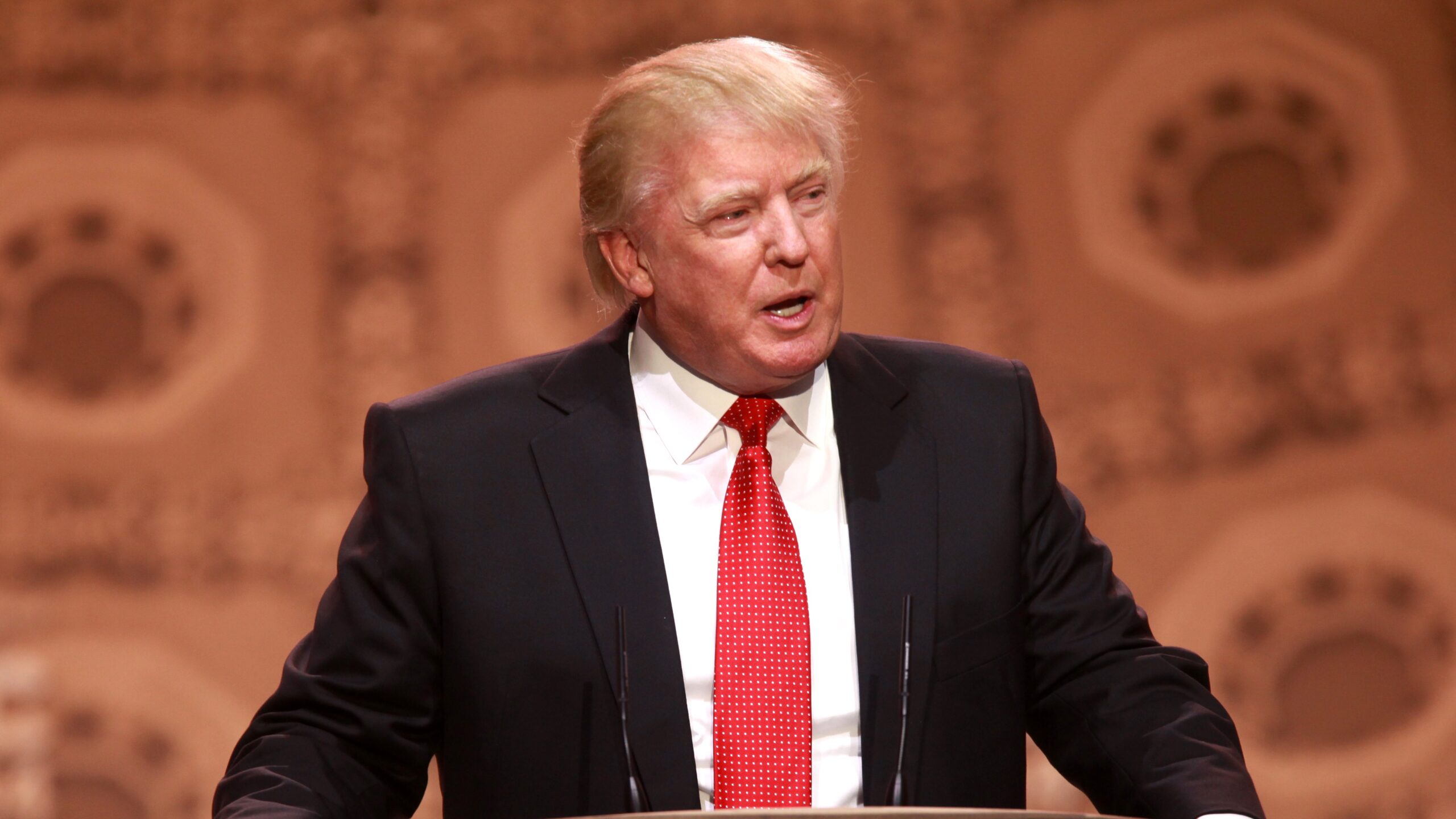
On April 29, 2025, President Donald Trump signed an executive order directing the Treasury Department to build a new website called TrumpIRA.gov. The site is meant to help uncovered workers open individual retirement accounts and claim a benefit most of them don’t yet know exists: the Federal Saver’s Match.
How the Saver’s Match works
The Saver’s Match is not a tax deduction. It is not a line on a refund check. It is a direct federal contribution deposited into a worker’s IRA or qualifying retirement account.
Under 26 U.S.C. Section 6433, added to the tax code by the bipartisan SECURE 2.0 Act signed into law in December 2022, the government will match 50% of a worker’s retirement contributions up to $2,000 per year. An eligible worker who saves $2,000 in a qualifying IRA would receive up to $1,000 in federal matching funds deposited directly into the same account. Someone who contributes $500 would get $250. Someone who contributes nothing gets nothing.
The program replaces the existing Saver’s Credit, a tax credit that has been available for years but is widely underused. The reason is straightforward: the current credit only reduces a filer’s tax bill, which provides little or no benefit to lower-income workers who already owe minimal federal income tax. Converting the credit into a direct deposit is designed to reach exactly those workers.
Eligibility is tied to income. Under SECURE 2.0’s framework, the match phases out for single filers with adjusted gross income above roughly $33,000 and for married couples filing jointly above roughly $66,000. Those thresholds are indexed for inflation, though the IRS has not yet published the inflation-adjusted figures that will apply for the 2027 tax year. Workers must be at least 18, cannot be claimed as a dependent, and cannot be full-time students.
The IRS confirmed in Notice 2024-65, published in Internal Revenue Bulletin 2024-39, that the match applies for taxable years beginning after December 31, 2026. The agency has already begun soliciting public comments on how to administer the payments, including procedures for rollovers, account closures, and error corrections.
The match applies to contributions made to traditional IRAs, Roth IRAs, and other qualifying retirement accounts as defined under the statute. For Roth IRA contributions, the match itself is deposited into the Roth account and grows tax-free, which could make the benefit especially valuable for younger, lower-income workers with decades of compounding ahead of them.
What TrumpIRA.gov is supposed to do
The executive order tasks the Treasury Secretary with launching TrumpIRA.gov by January 1, 2027, timed so the site is live before the first tax year in which workers can qualify for the match. According to reporting from the Associated Press, the site is required to list financial institutions offering IRAs that meet the legal definition under 26 U.S.C. Section 408, the federal statute governing individual retirement accounts.
Beyond listing providers, the order directs Treasury to publish plain-language explanations of account types (traditional IRA vs. Roth IRA), annual contribution limits, and basic investment risks so first-time savers can compare options without hiring a financial advisor. The stated goal is to make opening an IRA as straightforward as enrolling in a workplace plan, particularly for part-time workers, gig workers, and employees at small businesses that do not offer retirement benefits.
The branding deserves a closer look. The Saver’s Match was created through bipartisan legislation passed by Congress and signed by President Biden in December 2022. By housing the enrollment portal under the TrumpIRA name, the current administration is attaching its brand to a benefit it did not create. The policy substance, however, is unchanged: the match formula, income limits, and effective date all come directly from SECURE 2.0 as written.
How this fits with state auto-IRA programs
TrumpIRA.gov is not arriving in a vacuum. At least 17 states have already enacted automatic IRA programs that require employers without retirement plans to enroll workers in state-facilitated accounts, according to the Georgetown University Center for Retirement Initiatives. Programs like California’s CalSavers and Illinois Secure Choice have collectively enrolled millions of workers since launching.
The federal Saver’s Match could complement those state programs. A worker automatically enrolled in CalSavers, for example, would potentially qualify for the federal match on contributions made to that account, assuming it meets the statutory definition of a qualifying IRA and the worker falls within the income limits. But Treasury has not yet clarified how TrumpIRA.gov will interact with existing state programs, whether it will link to them, or whether workers already enrolled in a state auto-IRA will need to take any additional steps to receive the match.
What remains uncertain
As of June 2026, several important questions about TrumpIRA.gov remain unanswered. The executive order does not specify which financial institutions will appear on the site, what fee thresholds will qualify an IRA as “low-cost,” or how Treasury will vet providers. No public statements from the department detailing the site’s features, user interface, or partner institutions have surfaced.
Projected participation rates are also unclear. The Cato Institute has referenced Joint Committee on Taxation cost estimates for the Saver’s Match but notes that actual take-up among eligible workers will depend heavily on outreach and ease of enrollment. If workers must navigate complex paperwork or bounce between multiple private-sector websites to open an account, participation could fall well short of projections even with federal money on the table.
Consumer protection is another concern. Because TrumpIRA.gov will list private financial institutions on a government-branded platform, Treasury will need clear rules on marketing, data sharing, and any language that could imply government endorsement of specific products. Without those guardrails, inexperienced savers could be steered toward higher-fee products that technically meet statutory requirements but erode long-term returns. The executive order does not detail how the site will handle conflict-of-interest disclosures, standardized fee comparisons, or customer complaint mechanisms.
Then there are the technical hurdles. Federal websites that handle sensitive financial information must typically meet strict accessibility, privacy, and cybersecurity standards. The order does not specify whether TrumpIRA.gov will integrate with existing federal login systems like Login.gov or ID.me, or rely on a separate identity verification process. That choice will affect both usability and fraud risk.
Finally, the Saver’s Match itself is statutory law, but its funding depends on continued congressional appropriations and political will. If a future Congress modifies or defunds the match before or after 2027, workers who opened accounts based on the promise of federal contributions could find the benefit reduced or eliminated.
What workers can do before the site launches
The Saver’s Match is already in the tax code, but the infrastructure to deliver it is still being built. Workers who think they might qualify do not need to wait for TrumpIRA.gov. Anyone can open a traditional or Roth IRA today through a brokerage, bank, or credit union. Contributions made during the 2027 tax year, once it begins, would be eligible for the match as long as the worker meets income and filing requirements.
The most important detail for potential savers: this is not free money with no strings. Workers must contribute their own funds first. The government matches 50 cents for every dollar saved, up to that $2,000 contribution cap. Starting early, even with small amounts, is the simplest way to be ready when the match kicks in.
Deadlines and regulations still to come
In the coming months, Treasury is expected to issue proposed regulations outlining eligibility criteria for institutions appearing on the site, along with draft procedures for how account information will be transmitted to the IRS to credit the match. Retirement industry groups, worker advocacy organizations, and tax professionals are likely to push for clarity on default investment options, error-correction processes, and whether accounts like SEP-IRAs used by self-employed workers will qualify.
Those details will determine whether TrumpIRA.gov becomes a genuinely useful tool for the tens of millions of workers it is supposed to reach, or another government website that few people ever visit. The law is on the books. The money is authorized. What matters now is execution.