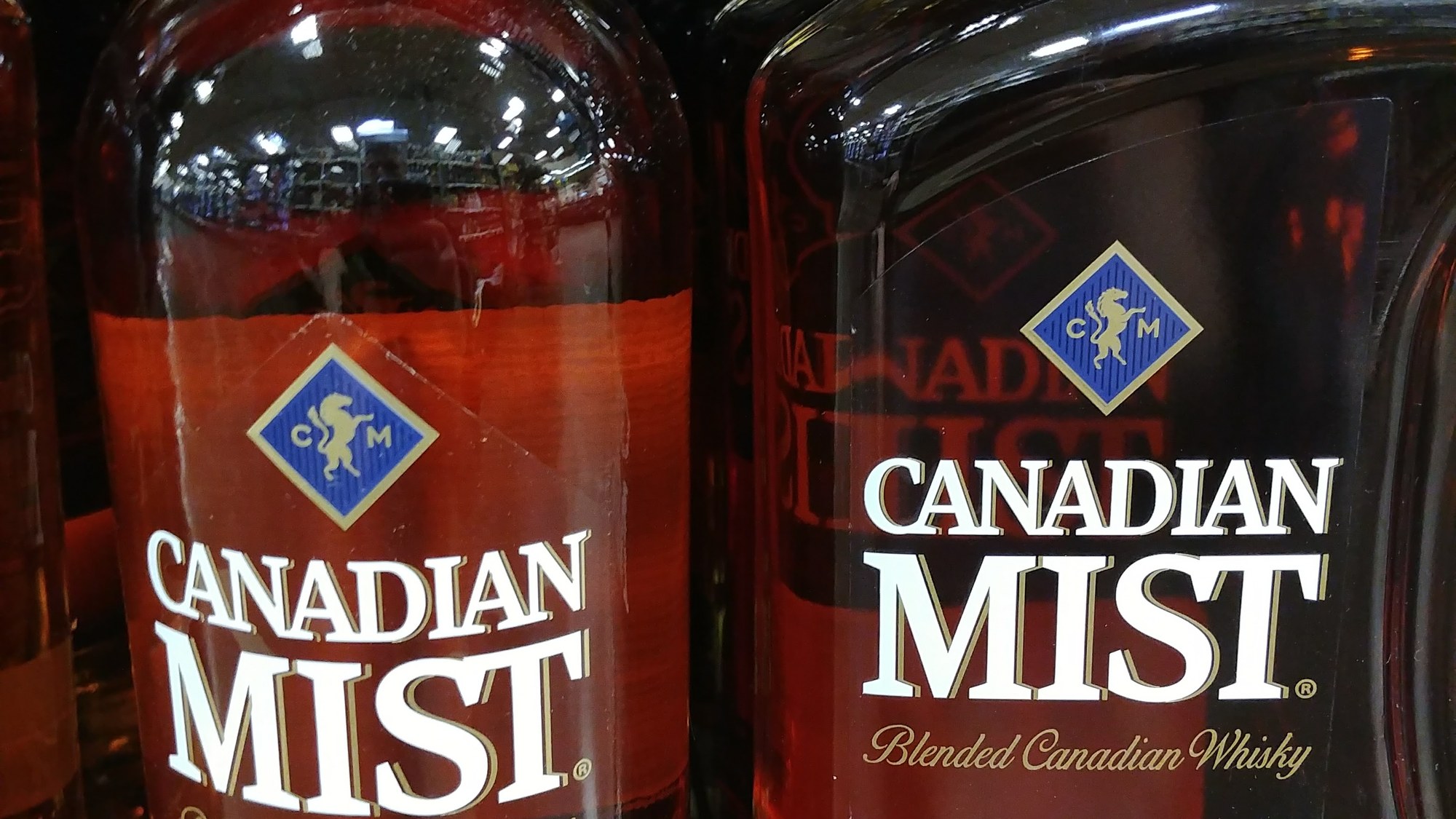
Canadian wine, beer, spirits and certain dairy products will stop entering the United States on September 29, and Canadian-made all-terrain vehicles were folded into an existing 50 percent tariff two weeks earlier, under actions the White House says President Trump signed in response to Canada’s own retaliatory tariffs. The moves came through five separate presidential proclamations rather than one, and they land on products that cross the northern border in both directions — a detail that matters most to shoppers and cross-border travelers in states that buy Canadian goods regularly.
Five Proclamations Under Section 338 of the Tariff Act
According to a White House fact sheet dated September 8, 2026, Trump “signed five Proclamations pursuant to Section 338 of the Tariff Act of 1930 to ban certain products from Canada.” Two of the five specifically bar imports of “Excluding Certain Canadian Alcoholic Beverages from Importation into the United States” and a related dairy proclamation, with the fact sheet stating “the import bans will take effect on September 29, 2026.” Section 338, a rarely used 1930 trade-law provision, lets a president bar imports outright rather than simply tax them, which is why the alcohol and dairy items disappear from the market on that date rather than merely costing more. The two proclamations are titled, in full, “Excluding Certain Canadian Alcoholic Beverages from Importation into the United States in Response to Continued Discrimination Against the Commerce of the United States with Respect to Alcoholic Beverages” and a parallel dairy proclamation, per the fact sheet’s own text. The fact sheet accuses Canada of discriminating against U.S. commerce in three areas — alcoholic beverages, dairy and motor vehicles — without detailing the specific provincial or federal Canadian policies it says amount to discrimination, and it frames the overall action as meant “to protect American farmers, manufacturers, and workers.”
Inside the kit: A Canadian import ban and a tariff addition raise the cost of specific goods, but neither one touches the property tax bill or the heating bill a fixed-income household still has to manage separately — the kit’s heating, cooling and home-repair help and its application log and renewal calendar are built for that entirely different cost picture. Open The Senior Property Tax & Home-Cost Relief Kit.
All-Terrain Vehicles Added to the 50 Percent Tariff List
The same fact sheet describes an earlier round of Section 338 tariffs — imposed under Proclamations 11046 and 11047 on July 20, 2026 — as “the 50 percent tariffs imposed under Section 338,” and says Trump modified their product scope on September 15, 2026 by “removing certain products, such as rock salt and cement, from the scope of the Section 338 tariffs and replacing those products with new ones, ranging from all-terrain vehicles (ATVs) to additional dairy products.” That swap puts Canadian ATVs under the same 50 percent tariff rate the fact sheet applies to the rest of that proclamation’s product list, two weeks before the separate alcohol and dairy import bans take hold. A tariff at that rate is typically passed through to the price a dealer charges rather than absorbed, unlike an outright ban, which removes the product from shelves entirely. Rock salt and cement, the two products the fact sheet says were dropped from the list to make room for ATVs and additional dairy items, are no longer subject to the 50 percent rate as of the same September 15 change. ATVs are common equipment on rural and farm properties, where they are used for property maintenance, hunting access and moving equipment across acreage that a standard vehicle can’t reach — a category of buyer more likely to be an older, rural homeowner than a recreational city shopper, and one for whom a 50 percent tariff on a Canadian-made model translates directly into a larger purchase price if a comparable non-Canadian alternative isn’t available.
The August Breakdown and Canada’s Retaliation
The fact sheet places the immediate trigger for September’s response in the prior month: “after breaking off trade talks with the United States last month, today Canada imposed new retaliatory tariffs on about $20 billion of U.S. exports, including steel, dairy, and agricultural equipment.” That puts the breakdown in trade talks in August 2026, roughly a month after the original July 20 proclamations first imposed the 50 percent Section 338 tariffs, and roughly three weeks before the September 8 fact sheet describing Washington’s response. The fact sheet does not name which specific U.S. companies or regions are affected by Canada’s $20 billion in retaliatory tariffs on steel, dairy and agricultural equipment, only the total figure and the three product categories.
Canada’s Retaliation and the Trade Standoff
Neither the import bans on alcohol and dairy nor the ATV tariff change carries an expiration date in the White House’s own account of the dispute. The fact sheet frames both as a direct response to Canada’s retaliatory tariffs rather than as a separate, unrelated policy, but it does not describe any negotiation timeline, deadline for Canada to reverse its retaliatory tariffs, or condition under which the U.S. bans and tariff changes would be lifted. For now, both actions remain in place indefinitely, tied to a trade dispute the fact sheet describes as ongoing rather than resolved, with no published date for a follow-up round of talks between Washington and Ottawa.
Household Costs the Tariff Fight Doesn’t Touch
An import ban on Canadian alcohol and dairy, and a 50 percent tariff covering Canadian ATVs, change what specific products cost or whether they’re sold at all — but neither White House proclamation says anything about the property tax bill, heating bill or home-repair cost that a fixed-income household is also managing this fall. Those expenses run on entirely separate state and local rules that don’t move with a federal tariff proclamation.
The Senior Property Tax & Home-Cost Relief Kit lays out the five kinds of property-tax relief and the circuit-breaker credit that includes renters, alongside help with heating, cooling and home-repair costs that apply regardless of which imports are banned this month.
Compare the five kinds of relief in The Senior Property Tax & Home-Cost Relief Kit.
This article was produced with AI assistance and checked against the primary source linked above.