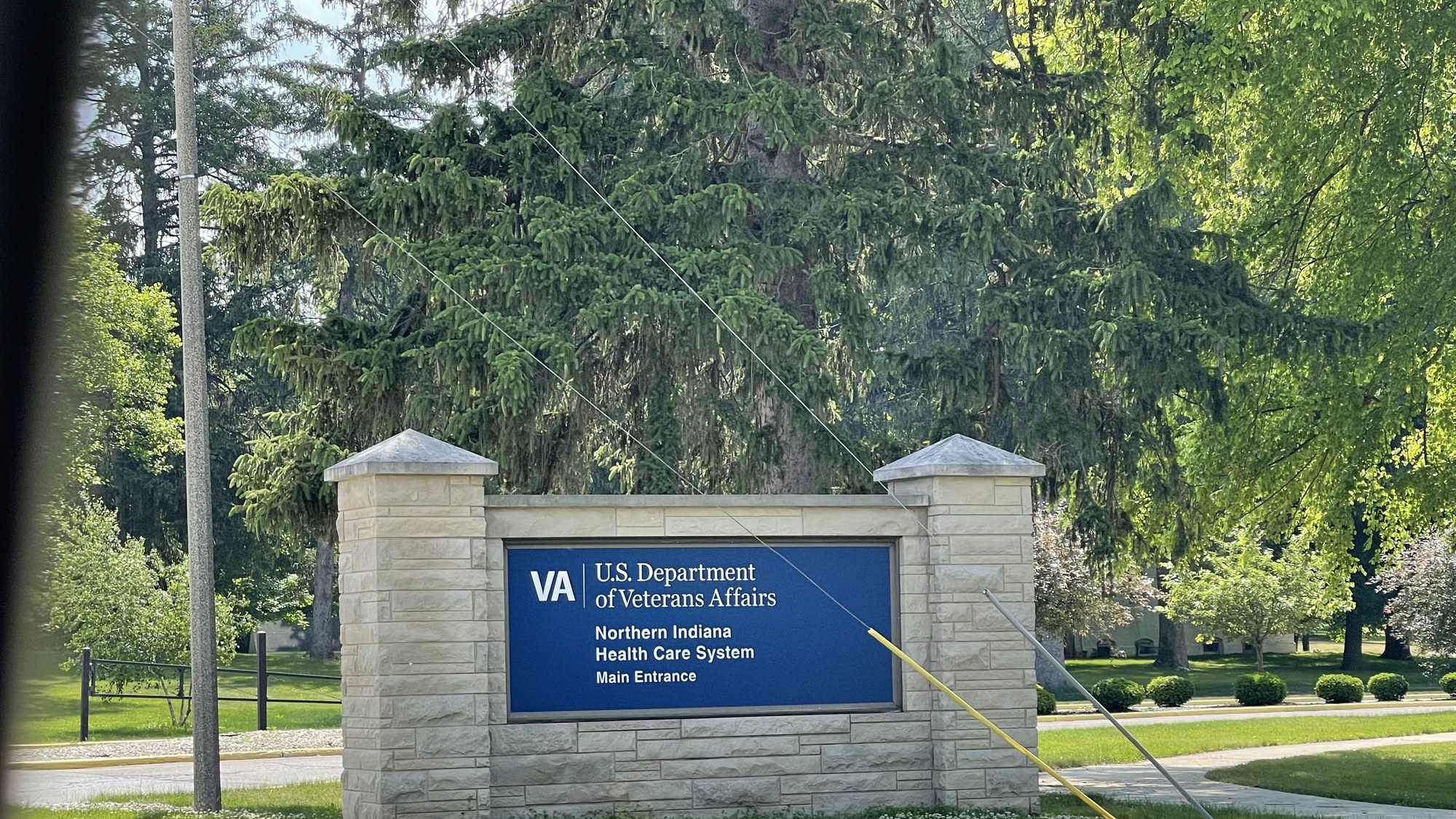
Getting a VA disability claim approved has long depended on paperwork that has to travel from the military to the VA before a claim can even start moving. An executive order signed this month tries to remove that hand-off entirely for anyone who joins the service from now on, by making record-sharing continuous rather than something requested after the fact. The administration’s own estimate of what that is worth in time is specific enough to hold it to.
The Executive Order: Records Flow From Day One
President Trump signed Executive Order 14426, “Accelerating Access to Veterans’ Benefits and Employment Opportunities,” on September 8, 2026, according to the order’s text posted on whitehouse.gov. The order directs the Secretaries of War and Veterans Affairs to build systems ensuring “permanent, prospective, and ongoing sharing of all Official Military Personnel Files and Service Treatment Records from the moment an individual enters into military service” through the point benefits are decided. For anyone already serving, the order requires records to be shared “immediately when a service member is discharged or released from the Armed Forces,” within 30 days of the order itself, meaning current service members do not have to wait for a future enlistee to benefit from the change. The order’s text also reaches beyond VA paperwork into transition planning, directing departing service members be connected to “specific, open jobs in fields related to their skills, interests, and the specific goals outlined in America’s Talent Strategy,” or enrolled in career and technical education, a Department of Labor-funded training program, or a registered apprenticeship; records access and employment transition are treated as one continuous handoff rather than two separate processes in the order’s own language.
Inside the kit: How to file for free with VA Form 21P-527EZ and a claim tracker cover the part of a VA claim that faster records sharing doesn’t touch: actually submitting and following the application once the paperwork is available. Open the filing form and claim tracker in The Veterans Benefits Action Kit.
VA: 20 To 30 Days Faster For New Veterans’ Claims
The VA’s own estimate of the payoff is specific: continuous access to military records is projected to reduce processing times for recently separated service members by 20 to 30 days on average, according to a VA news release. VA Secretary Doug Collins framed the change bluntly in that release: “Giving VA continuous access to warfighters’ military records will eliminate weeks of waiting” for veterans applying for VA health care and financial benefits. That framing lines up with how record transfers work today — under the legacy system the order is meant to replace, exchanging military records between the Department of Defense and VA can currently take 90 to 180 days, which is the delay the new continuous-sharing requirement is designed to collapse.
The Disability Claims Backdrop: 141.5 Days To 76.1 Days
The order arrives on top of processing-time progress the VA says is already underway. The same VA release states that average disability-claims processing time has already fallen 46%, from 141.5 days to 76.1 days, under the current administration, before the new records-sharing requirement is even fully built out. The 20-to-30-day reduction the VA is projecting from this order would come on top of that existing 76.1-day baseline, not instead of it — meaning the order’s stated goal is to push an already-shortened process shorter still, not to fix a number that has not moved.
Faster Records Don’t Skip The Application Itself
Nothing in the executive order removes the requirement that a veteran actually file a claim. It only changes how fast the military service records behind that claim reach VA staff once filing happens. The order also gives the Departments of War and Veterans Affairs 180 days to finish the IT systems and policy guidance the records-sharing mandate depends on, so the full 20-to-30-day improvement is a target tied to a build-out period, not something every claim filed this week will see immediately. For a recently separated service member, the practical upshot is that the paperwork bottleneck the order targets is real and dated to a specific signing, even if the systems meant to close it are still being built against that 180-day clock.
What The Records-Sharing Order Doesn’t File For A Veteran
The White House’s executive order and VA Secretary Doug Collins both describe faster military-record transfers cutting 20 to 30 days from benefit-claims processing, but neither addresses which VA pension or disability-compensation track a specific veteran should even be filing under, or what evidence still has to accompany that claim.
The Veterans Benefits Action Kit lays out the three VA pension levels including Aid & Attendance and how to file for free using VA Form 21P-527EZ, pairing the faster records pipeline with the filing steps it doesn’t replace.
See the three pension levels and the free filing form in The Veterans Benefits Action Kit.
This article was produced with AI assistance and checked against the primary sources linked above.


