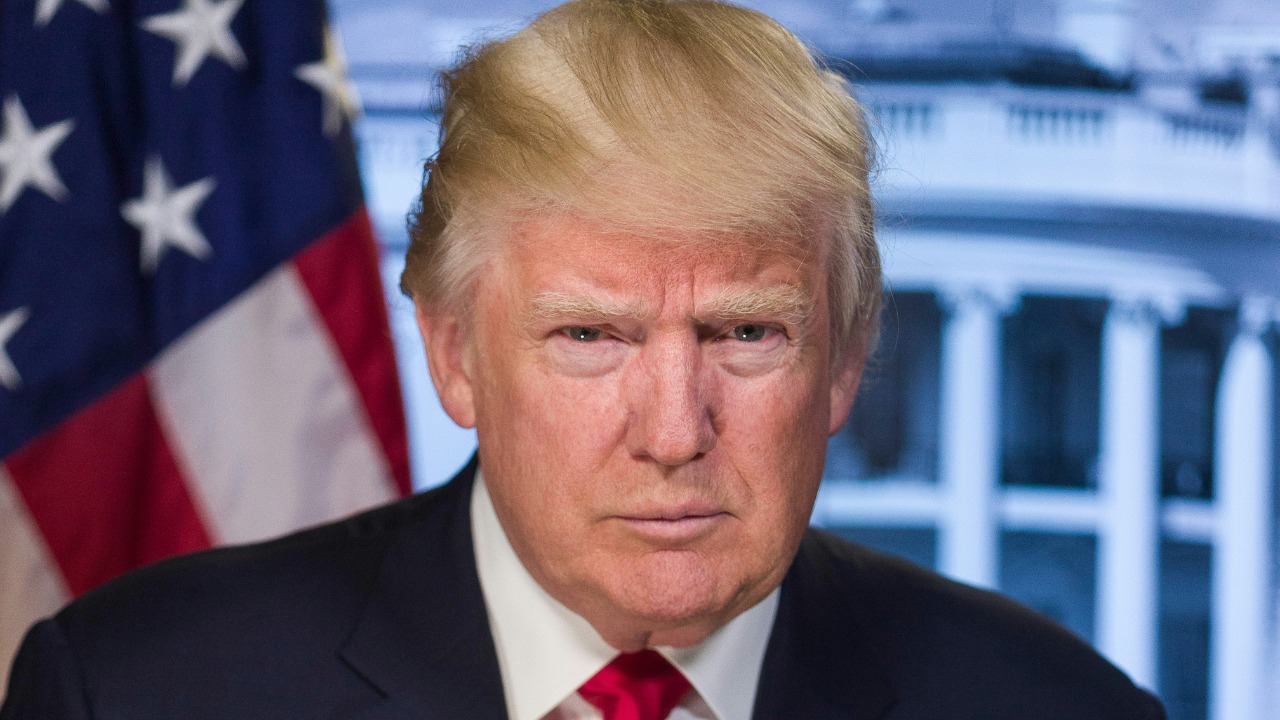
A House committee vote most federal retirees never heard about just narrowed the path to a 2027 pay raise for the civilian federal workforce. The House Appropriations Committee rejected an amendment to add a 3.1% across-the-board raise to next year’s spending bill by a 28-32 margin, a party-line outcome that leaves President Trump’s proposed freeze on civilian pay as the default plan moving into the new fiscal year. Law enforcement personnel are still slated for a 3.8% increase under that same plan.
The 28-32 Vote On Hoyer’s 3.1% Amendment
During markup of the fiscal 2027 Financial Services and General Government spending bill in late April 2026, Rep. Steny Hoyer, D-Md., the subcommittee’s ranking member, offered an amendment to add a 3.1% pay raise for civilian federal employees. The committee’s Republican majority voted it down 28-32, with every Republican voting no, according to Government Executive’s report on the markup. Hoyer had pitched the 3.1% figure as an attempt to approximate the cost-of-living adjustment federal retirees and Social Security beneficiaries were likely to see the following year, and argued for restoring the pay parity between civilian and military compensation that held for most of the past three decades, per Federal News Network’s separate account of the same vote.
A freeze with no filing deadline of its own: The committee’s 28-32 vote leaves the 2027 civilian pay freeze in place, a decision a federal employee or retiree cannot appeal or apply around. Property-tax relief runs on the opposite kind of calendar: a credit that has to be claimed, and that a household controls. See the circuit-breaker credit in The Senior Property Tax & Home-Cost Relief Kit.
Trump’s Alternative Pay Plan, By The Numbers
The committee vote followed a formal alternative pay plan President Trump submitted to Congress on Aug. 26, 2026, invoking authority under 5 U.S.C. sections 5303(b) and 5304a, which let a president override the standard federal pay formula during a “national emergency or serious economic conditions affecting the general welfare,” according to FedSmith’s reporting on the letter. Under that plan, civilian federal employees would receive a 0% raise for 2027, while federal law enforcement personnel would get 3.8%; military pay would rise separately, by 7% for pay grades E1-E5, 6% for E6-O3 and 5% for O4 and above.
Trump’s letter argued the freeze was a matter of fiscal necessity, stating that without it, locality pay for the civilian workforce would automatically increase by an average of 20.6% on top of a 3.1% across-the-board raise, FedSmith reported. That combination is the basis for the estimated first-year savings both FedSmith and MyFederalRetirement put at $26 billion, the cost the administration says the freeze avoids.
The FAIR Act’s 4.1% Counter-Proposal
Democratic lawmakers have their own bill on the table. The Federal Adjustment of Income Rates Act, H.R. 7480, would set a 3.1% base pay increase plus 1% locality pay, for a roughly 4.1% average raise, according to the MyFederalRetirement report cited in the packet’s research. That bill remains what Hoyer’s rejected committee amendment was modeled on in miniature: the 3.1% base figure the committee voted down matches the FAIR Act’s base-pay component exactly, without the additional 1% locality piece.
110 Lawmakers Push Back
Opposition to the freeze extends beyond the committee room. A letter organized by Rep. James Walkinshaw, D-Va., Sen. Chris Van Hollen, D-Md., Hoyer and Sen. Brian Schatz, D-Hawaii, gathered 110 signers (12 senators and 98 House members, including one Republican, Rep. Brian Fitzpatrick of Pennsylvania) asking that FY2027 appropriations legislation include “a pay raise of no less than 3.8% for federal civilian employees,” according to FedSmith’s report on the letter. The letter argues that if the administration’s own logic for giving law enforcement and military personnel raises is recruitment and retention, the same reasoning applies to the rest of the federal workforce. It also notes that federal employees received only a 2% raise in 2025 and 1% in 2026, both below inflation, making 2027 a potential third consecutive year of pay that falls behind the cost of living.
A Frozen Paycheck Meets A Property Tax Bill That Isn’t
The savings the White House credits to the 2027 pay freeze is a federal budget line, not a saving that shows up on any individual household’s ledger. A federal retiree or a still-working civilian employee absorbing a third straight year of a raise that trails inflation is left managing the same property tax bill, utility bill and home-repair costs on income that isn’t keeping pace. Congress’s fight over 3.1% versus 3.8% versus a freeze plays out on a timeline that has nothing to do with when those local bills are due.
The Senior Property Tax & Home-Cost Relief Kit lays out the five kinds of property-tax relief available directly to a homeowner, including the circuit-breaker credit that also covers renters, plus the separate heating, cooling and home-repair assistance programs that operate the same way: unclaimed until someone applies.
See the five kinds of relief and what each requires in The Senior Property Tax & Home-Cost Relief Kit.
This article was produced with AI assistance and checked against the primary sources linked above.