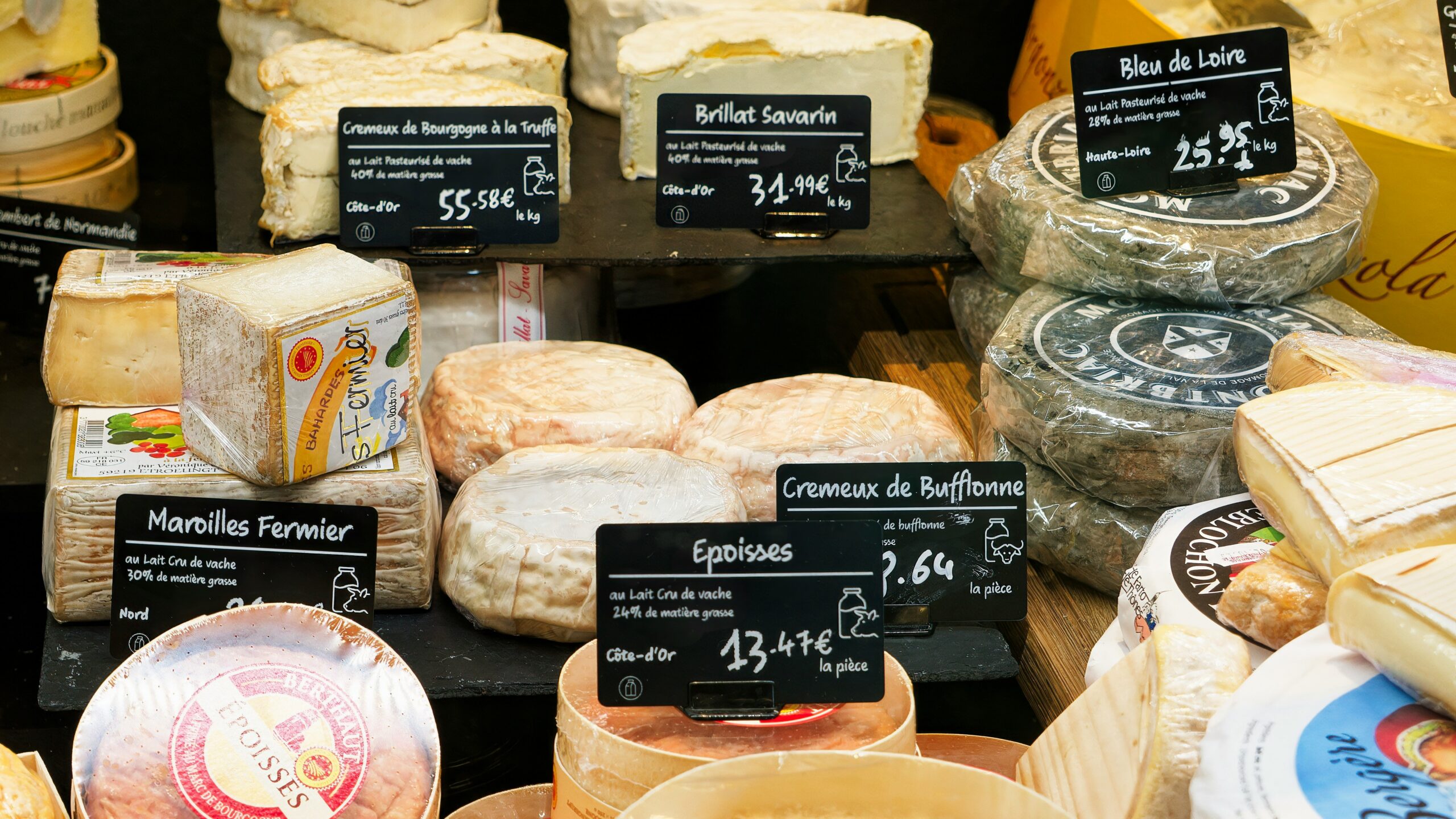
A trade law passed in 1930 is now the legal basis for some of the toughest U.S. measures aimed at Canada. Section 338 of the Tariff Act of 1930 covers Canadian motor vehicles, alcoholic beverages and dairy, and the Congressional Research Service (CRS) lists it with a 50 percent rate on select goods and import bans on select Canadian products.
The CRS fact sheet, dated October 8, 2026, says there are no exemptions for the U.S.-Mexico-Canada Agreement (USMCA). It is the only Section 338 action on the list. The same fact sheet says the President has cited authority from four laws to raise tariffs since the Supreme Court’s February 20, 2026 ruling.
For shoppers, the question is whether anything they buy is on the banned list. That matters most to people who buy Canadian cheese or alcohol, or who are shopping for a Canadian-built vehicle. The bans cover only products listed in annexes to the proclamations, and CRS does not name them, so a favorite brand cannot be assumed in or out.
Retirement deadlines, in your inbox: Miss an enrollment or claim deadline and the money can be gone. The Retirement Money Brief keeps you ahead of the ones that matter, every weekday.
Get the Retirement Money Brief →
We may earn a commission from links on this page.
What the old law allows
Each of the proclamations says Section 338, codified at 19 U.S.C. 1338, lets the President offset a foreign country’s discrimination against U.S. commerce with extra duties of up to 50 percent. Where the country keeps or increases the discrimination, the law also allows its articles to be excluded from the United States altogether.
That is the step the administration took on September 8, 2026, when President Donald Trump signed three proclamations excluding certain Canadian products. They were published in the Federal Register on September 14 and apply to goods imported on or after 12:01 a.m. eastern time on September 29, 2026.
CRS points readers to its earlier report, Congressional and Presidential Authority to Impose Import Tariffs (R48435), by Christopher T. Zirpoli, for the Section 338 background. Its fact sheet itself only lists the actions in force and the Federal Register notices behind each one.
Dairy, where cheese quotas started it
The dairy fight began with Proclamation 11047, signed July 20 and published July 23, 2026. It put an additional 50 percent duty on certain Canadian products. It was aimed at cheese. It took effect August 19. Its text excludes articles already under Section 232 duties and certain civil aircraft.
The proclamation points to Canada’s tariff-rate quotas for cheese, which allow duty-free imports up to annual limits. It says Canada does not apply the same eligibility criteria under the USMCA as under its trade deal with the European Union, and that this favors EU goods over U.S. goods.
The duties were briefly suspended after Canada said it would change course. The later proclamation says Canada “reneged on its commitment” on August 21, and the duties took effect August 22. Proclamation 11062 then replaced the duty with an import ban for the products listed in its annex.
Alcohol, and a retaliation from Saskatchewan
The alcohol action rests on Canada’s treatment of U.S. drinks. Proclamation 11061 finds that Canada bans the purchase, distribution or retail sale of U.S. alcoholic beverages while not restricting other countries’ products.
The proclamation also cites a Saskatchewan announcement of an extra 50 percent levy on U.S. alcoholic beverages, effective September 8, 2026, made in response to the American duties. The ban covers “certain alcoholic beverages that are products of Canada” set out in an annex.
Goods that were already imported but not yet entered or taken out of warehouse before September 29 stay under the earlier 50 percent rate. The proclamation adds a backstop: if a court strikes down the ban, the 50 percent duty applies to those goods instead.
Vehicles, with the scope narrowed
Vehicles follow the same pattern. Proclamation 11063 bans certain Canadian products that had been under 50 percent duties from Proclamation 11048, which found Canada was “discriminating in fact” through its motor vehicle tariff scheme.
A separate order, Proclamation 11065, changed which products face the duty. Items in one part of its annex stay at 50 percent. Items in another part “shall no longer be subject” to it. That change took effect September 15, 2026, and the proclamation says the duties apply in addition to Section 232 duties, a point CRS repeats for the Canada action.
Customs and Border Protection (CBP) is directed to issue the implementing rules. The U.S. Trade Representative holds approval authority under the statute, according to the vehicle proclamation.
What nobody has published
Neither CRS nor the proclamation text gives a dollar effect on prices. The product lists sit in annexes that appear as images in the Federal Register’s online text, and the CRS table does not itemize tariff lines. It lists the three sectors only.
CRS notes that the statutorily required joint review of the USMCA is ongoing, so the trade rules between the two countries are not settled. The fact sheet’s Canada table is current as of September 30, 2026. Anyone who buys or sells these goods should expect further notices from CBP.
Is the Canadian cheese, alcohol or car you buy on the ban list?
The proclamations do not say what the bans do to shelf prices, and the full product lists are in annexes most readers will never open. What a household can control is the rest of its bills, from groceries to heat, which are already a strain on fixed incomes.
The Benefits Checklist scans eleven benefit programs retirees most often miss, including Medicare Savings Programs, Extra Help, SNAP and heating help. It comes with the 2026 income limits and a 50-state phone directory, so each program has a number to call.
More Financial Reading
- 21 Ways to Stretch a $2,087 Social Security Check
- 15 Places to Find Your Share of the $4.25 Billion States Give Back
- 15 Ways Out of 22% Credit Card Interest
This article was produced with the assistance of AI and reviewed by the editorial team.