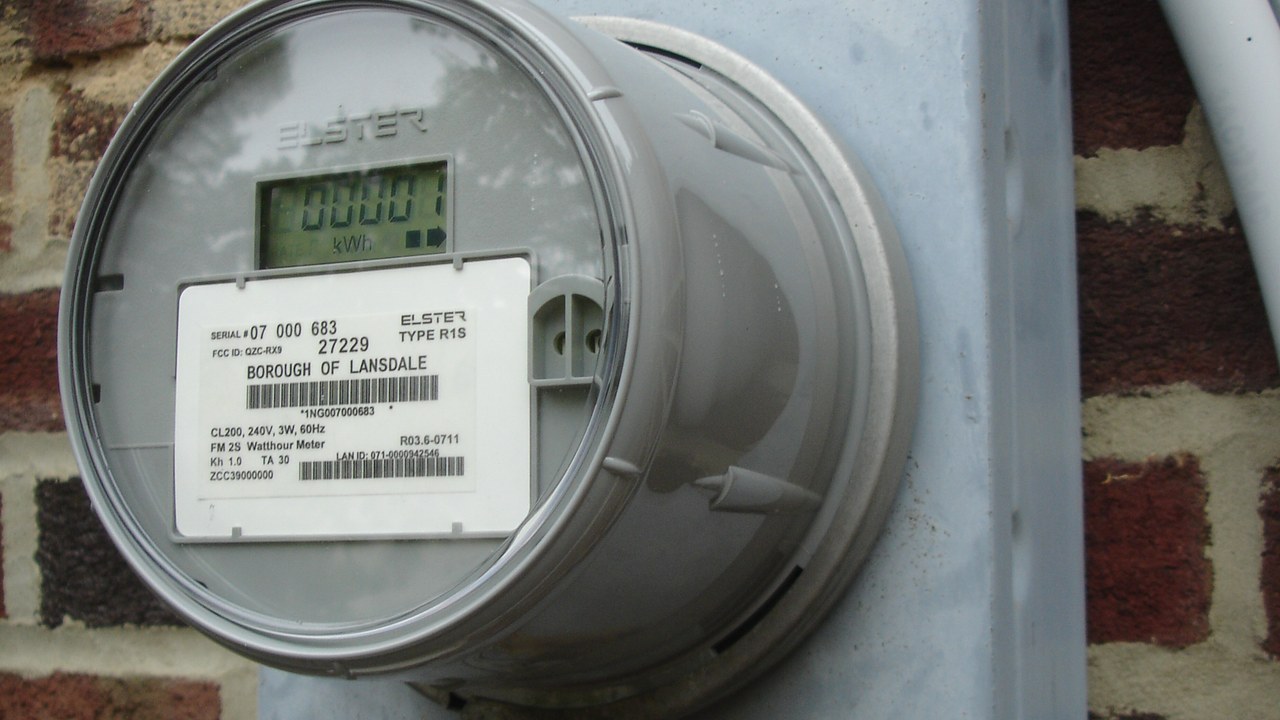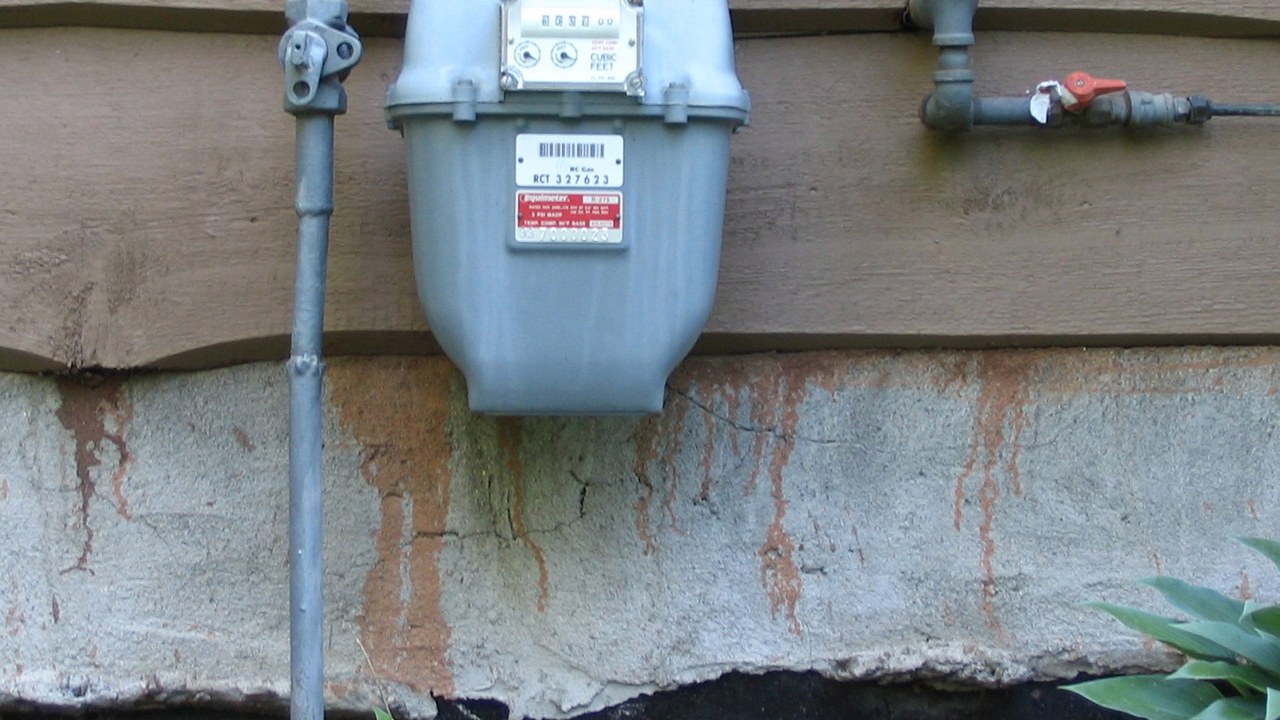
A typical UGI Utilities gas customer in Pennsylvania has paid $3.93 more a month since October 1, and the bill climbs again next October. The Pennsylvania Public Utility Commission approved a settlement that raises the typical residential bill from $113.76 to $117.69 now, then to $120.21 on October 1, 2027.
About 706,000 residents and businesses in 46 counties are served by the UGI gas division. The state regulator cut the company’s request by about a third, and it added help for customers who are behind on their bills.
What the PUC approved for UGI
UGI asked for about $99.368 million a year in additional revenue, an 8.05% increase. The commission’s October 1 announcement says it approved $65 million, or 5.3%, roughly 35% less than requested. The money arrives in two steps: $40 million from October 1, 2026, and $25 million from October 1, 2027.
The settlement was filed by the commission’s Bureau of Investigation and Enforcement, UGI, the Office of Consumer Advocate, the Office of Small Business Advocate and the Retail Energy Suppliers Association. Administrative law judges F. Joseph Brady and Alphonso Arnold III recommended approval, and the commission voted 3-1. The PUC held 12 public input hearings in the spring.
The people most exposed are customers on a fixed income, especially those who heat with gas and use more than the typical household. Each of them has two dates to plan around, October 1 of this year and of next, and a heating season that starts with the first increase already in effect. Anyone who falls behind has options that start with the utility and the state.
What changed this year: Social Security and Medicare change every year, and nobody sends you a memo. The Retirement Money Brief breaks down what changed and what to do.
Get the Retirement Money Brief →
We may earn a commission from links on this page.
The bill, step by step
The PUC measures the typical residential customer at 68.8 hundred cubic feet of gas a month. For that customer, the monthly bill rises $6.45, or 5.7%, over two years. UGI had proposed a single jump of $9.91, or 8.7%, to $123.55.
The fixed customer charge, which customers pay no matter how much gas they use, goes up too. It was $16.25 a month and UGI asked for $23. The commission approved $19 starting October 1, 2026, and $20 starting October 1, 2027.
The settlement also bars UGI from filing another base rate increase until at least January 15, 2029. That shields customers from another general increase request for more than two years after the 2027 step, although separate charges such as the cost of the gas itself are not covered by that limit.
What the settlement adds for customers who fall behind
The PUC says the settlement expands programs for income-qualified residents. UGI will automatically enroll and recertify in its Customer Assistance Programs customers who are eligible through the federal heating aid program known as LIHEAP, the Low Income Home Energy Assistance Program.
UGI is adding a one-time $250,000 to its Hardship Fund, called Operation Share, and committing to $1.5 million in total annual contributions. Starting April 1, 2027, an expanded pilot lets income-qualified customers choose a 24-month payment plan that covers 50% of what they owe in back bills.
Income-eligible customers in the assistance programs will not pay security deposits, and the company will review that each month. Domestic violence protections will also accept written certification from a counselor or advocate. The PUC’s customer hotline is 1-800-692-7380 for anyone with a billing dispute.
Pipeline safety and weather pilots
The settlement also carries gas safety terms. UGI must report its pipeline restoration costs to the PUC’s Pipeline Safety Division, including its ten most expensive restoration projects a year over the past three years. It must also share results from a pilot of smart remote methane detectors and host a technical conference on deploying them.
A second weather normalization pilot begins November 1, 2027, and runs through UGI’s next base rate case. That adjustment evens out revenue when winters run warmer or colder than normal. The settlement says it will not apply to customers enrolled in the assistance programs, and a 5% deadband applies.
LIHEAP opens November 2
Pennsylvania’s Department of Human Services says the 2026-2027 LIHEAP season is scheduled to open on November 2. A cash grant is a one-time payment of $200 to $1,000, based on household size, income and fuel type, paid directly to the utility or fuel company. Grants do not need to be repaid.
The income limits, in effect since February 1, are $23,940 a year for one person, $32,460 for two and $40,980 for three, with $8,520 added for each person beyond ten. The department says renters and homeowners are both eligible, and applicants do not need to be enrolled in another assistance program or have an unpaid heating bill.
Crisis grants are separate. They cover broken heating equipment, a shut-off notice or less than a 15-day fuel supply, and eligible applicants receive benefits within 10 business days, sooner in a life-threatening emergency. The LIHEAP hotline is 1-866-857-7095, and applications can be filed online through the state’s COMPASS site.
So how much will the UGI bill rise, and is there heating help if it cannot be paid? The typical increase is $3.93 now and $2.52 more next October. For households under the income limits, a LIHEAP grant of $200 to $1,000 is larger than the whole two-year increase of $6.45 a month, which comes to $77.40 a year at the new rate.
Behind on a UGI bill before the heating season?
A $3.93 increase looks small until it lands on top of a heating season, a deductible and a property tax bill in the same quarter. The state’s assistance programs each have their own application and their own renewal date, and a missed renewal can cost a household a grant it already qualified for.
The Senior Property Tax & Home-Cost Relief Kit puts heating, cooling and home-repair help in one place, alongside an application log and renewal calendar. Part 5 covers utilities and home costs, and Part 8 collects the worksheets and contacts.
Keep every heating and bill-help renewal date in the Relief Kit’s application log →
More Financial Reading
- 21 Ways to Stretch a $2,087 Social Security Check
- 15 Places to Find Your Share of the $4.25 Billion States Give Back
- 21 Ways Retirees Can Raise $1,000 Fast Without a Job
This article was produced with the assistance of AI and reviewed by the editorial team.