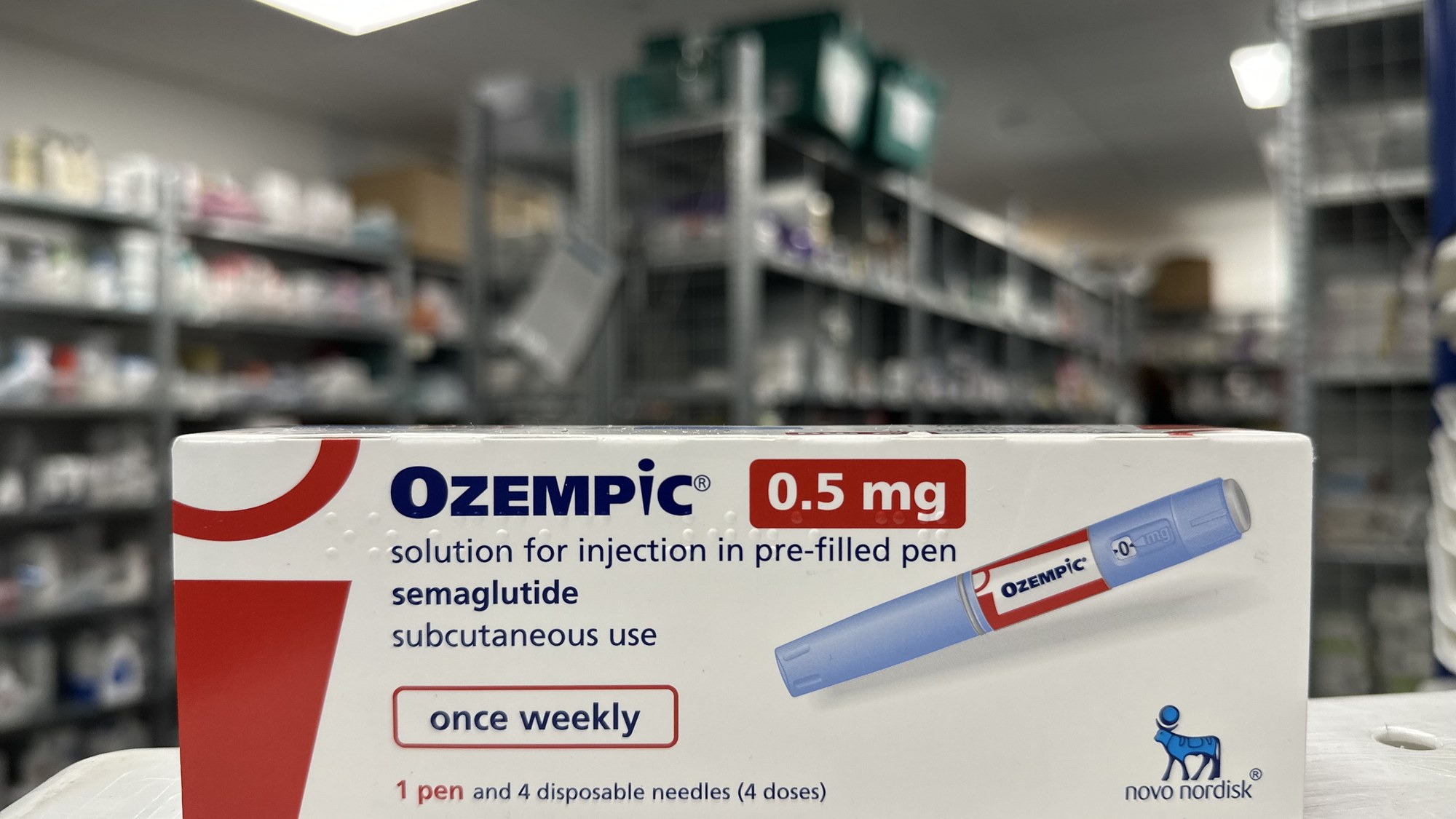
For years Medicare has been barred from paying for weight-loss drugs, leaving older Americans who wanted a medication like Wegovy to cover the full cost themselves, often several hundred dollars a month. A set of agreements between the White House and drugmakers Novo Nordisk and Eli Lilly is set to change that for beneficiaries who qualify, opening Medicare coverage of two anti-obesity injections for the first time. The number that will decide whether that matters to a fixed-income household is not the price the government negotiated, but the copay a beneficiary actually hands over at the pharmacy.
Which drugs the coverage applies to
The change grows out of the administration’s most-favored-nation drug-pricing agreements with Novo Nordisk and Eli Lilly. Under those deals, the administration plans to enable Medicare coverage of Wegovy, the obesity form of semaglutide, and Zepbound, the obesity form of tirzepatide, for patients who have obesity and at least one related health condition. The diabetes-labeled versions of these molecules, Ozempic and Mounjaro, are a separate matter: Medicare drug plans have generally been allowed to cover those for diabetes already. What is new is coverage of the obesity-indicated drugs, which Medicare has been statutorily prohibited from paying for when the use is weight loss alone.
Free retirement updates: A quiet rule change can shrink your Social Security or Medicare check, and no one warns you. The free Retirement Shield newsletter catches these early and tells you what to do. Get it free.
Why the $245 figure is not the copay
Much of the early coverage of the deal cited a $245 monthly figure, and that number is real — but it is not what a beneficiary pays. The manufacturers agreed to price the injectable forms of Ozempic, Mounjaro, Wegovy, and Zepbound at $245 per month for Medicare, a rate that applies across all doses and indications. That is the amount Medicare itself pays for the drug. For the person filling the prescription, the agreement sets a $50 copay for anti-obesity medications, according to the same summary. The practical takeaway is that a qualifying beneficiary is looking at roughly $50 a month, not $245, and certainly not the cash-market price that has kept these drugs out of reach for many retirees.
A phased rollout with real limits
The coverage is not a switch flipped overnight. During the announcement, the director of Medicare at the Centers for Medicare and Medicaid Services said manufacturers agreed to bring injectable GLP-1 prices down to the Medicare and Medicaid level over the following 24 months, so implementation is staged rather than immediate. Eligibility is also narrow by design: the coverage is aimed at beneficiaries with obesity and at least one accompanying condition, not anyone who wants the drug for general weight management. And because Medicare is barred by statute from covering drugs used for weight loss, the coverage rests on a regulatory reinterpretation that still requires implementation guidance the administration had not fully issued. Part D plans will apply their own formularies and utilization rules on top of all of this, so what a specific plan covers will vary.
The cash and Medicaid angles
For those who do not qualify for Medicare coverage, the same deal created a cash-pay route: the manufacturers agreed to sell the drugs through the administration’s direct-to-consumer platform at an average of about $350 a month for vials, a discount from the roughly $499 monthly cash price the companies had charged directly. The $245 Medicare rate was also extended to state Medicaid programs, which could prompt more states to add the drugs to their coverage; roughly a dozen states already cover GLP-1s for obesity under Medicaid, and cheaper upfront pricing may nudge others to follow.
What a beneficiary should check before counting on it
The gap between a $50 copay and a $500 cash bill is large enough to change whether a retiree can afford one of these medications at all, but the coverage carries conditions worth confirming before planning around it. A beneficiary would need a qualifying obesity diagnosis with a related condition, a Part D plan that has added the drug to its formulary, and a rollout that has actually reached that plan year. Because the pricing is being phased in over two years and the underlying coverage relies on rules the administration is still writing, the safest step for anyone interested is to confirm the current status with a specific Part D plan rather than assume the benefit is live. For retirees who clear those hurdles, the deal turns a drug many had written off as unaffordable into one that fits inside a monthly medication budget.
This article was produced with AI assistance and reviewed by The Financial Wire editorial team.
More Financial Reading
- The ideal retirement withdrawal rate so your savings actually last
- What really happens to your joint savings account when you die?