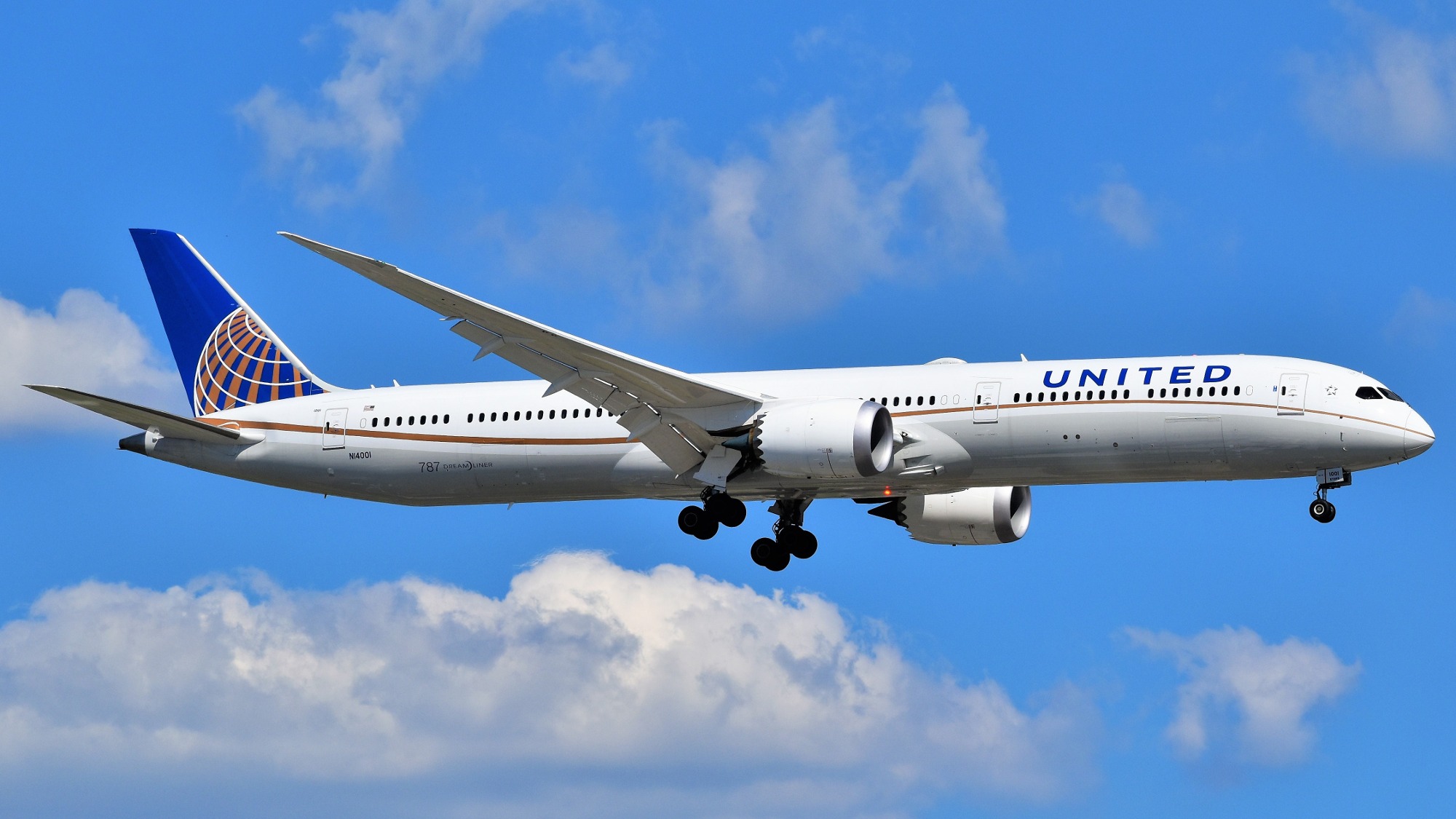
United Airlines paid an average of $3.90 for each gallon of aircraft fuel in the third quarter, up 60.3% from $2.43 a year earlier. The higher price added about $1.8 billion to the airline’s fuel bill. Even so, United reported $1.029 billion in net income and a record $17.9 billion in revenue.
A $1.8 billion jump in the fuel bill
United’s total aircraft fuel expense reached $4,843 million in the quarter, up 61.6% from about $3.00 billion, according to the airline’s third-quarter earnings release. The company attributed the increase of roughly $1.8 billion to volatile jet fuel prices.
Fuel now takes a large share of the cost of flying. Against total operating expenses of $16,429 million, up 18.8%, the fuel line works out to about 29 cents of every dollar spent. Capacity, measured in available seat miles, grew only 1.3% to 88,538 million, so United paid far more for fuel without flying much more.
The price rise is the most direct number a traveler can follow. A gallon of jet fuel that cost $2.43 last year cost $3.90 this quarter. United’s release does not say how much of that reached ticket prices, and it reports no average fare.
Put in plain terms, the added fuel cost of about $1.8 billion is larger than the $1.029 billion United earned in the entire quarter. Revenue growth of about $2.65 billion over the year-earlier quarter covered it.
The arithmetic shows how little of the jump came from flying more. A $4,843 million bill at $3.90 a gallon implies roughly 1.24 billion gallons. At last year’s $2.43 a gallon, that same fuel would have cost about $3.0 billion, which matches the $3.00 billion United spent a year ago.
Retirement deadlines, in your inbox: Miss an enrollment or claim deadline and the money can be gone. The Retirement Money Brief keeps you ahead of the ones that matter, every weekday.
Get the Retirement Money Brief →
We may earn a commission from links on this page.
Revenue grew faster than costs
United’s total operating revenue rose 17.4% to $17,875 million, a third-quarter record. Operating expenses grew 18.8%, slightly faster. Even so, the airline kept a pre-tax margin of 7.3% on a reported basis and 6.2% adjusted.
Investors weigh two profit measures. Net income was $1,029 million, up 8.5% from $949 million. Adjusted net income, which leaves out certain special items, was $833 million. The $196 million gap between the two figures comes from items United excludes from its adjusted results. Diluted earnings per share were $3.14 versus $2.90, up 8.3%, and $2.54 on an adjusted basis.
Kirby credited the airline’s workforce. He said employees met the challenge of an ever-changing environment, and that the results prove the resilience of building a brand-loyal airline for customers.
Premium cabins and loyalty were the engines. Premium revenue rose 17% from the third quarter of 2025, and loyalty revenue also climbed 17%. Both grew faster than the 1.3% increase in capacity, while the average fuel price climbed by more than half.
The airline invested in the premium end of the plane while fuel climbed. The 787-9 Elevated service, flying from San Francisco to Zurich and Seoul, has 99 premium seats, including 56 Polaris seats and 8 Polaris Studio suites. United also added 10 new meals to Polaris cabins in August.
Free Starlink Wi-Fi is the customer pitch
Chief executive Scott Kirby said United is winning new long-term, brand-loyal customers because they try the airline for Starlink and then stay for the app, service and onboard product. He said those advantages will last well beyond the fast, low-orbit satellite Wi-Fi United offers today.
The Wi-Fi is free for MileagePlus members in every class of service. Starlink is installed on more than 640 aircraft and is available on about half of United flights. The airline expects 61% availability by the end of 2026, 87% by June 1 and the whole fleet by the end of 2027.
The release lists other customer investments too, including a new concourse at Houston’s Terminal B with what the company calls the largest airline club in the Americas, and plans for modernizing Dulles. It also cites digital check-in, the Flight Finder rebooking tool and an expanded training center in Denver. The company also contributed more than 40 million donated MileagePlus miles to relief efforts.
A bigger fourth quarter, and the fuel question
United expects fourth-quarter total operating revenue to grow more than 20% from a year earlier, accelerating from the third quarter’s 17.4% and setting another record.
The release gives no fourth-quarter fuel price or fuel expense forecast. It points readers to a separate investor update posted on the airline’s investor site for guidance. Without that number, the biggest swing factor in United’s earnings is the one it has not committed to in writing.
The open question for anyone watching airline stocks, or planning a winter trip, is whether a $3.90 gallon is the new price or a spike. United’s record revenue says travelers kept paying through it. Whether they keep paying at a 20% higher revenue pace depends on what fuel does next.
Will higher fuel costs show up in the price of a ticket home?
United’s fuel bill rose about $1.8 billion in one quarter, and the airline reported no change in fares to match. When a big cost climbs that fast, passengers on fixed incomes tend to feel it first in the price of a trip.
The Benefits Checklist is a different job from tracking an airline. It covers 11 benefit programs retirees most often miss, including Medicare Savings Programs, SNAP and heating help, with the 2026 income limits and a 50-state phone directory, for costs that keep rising regardless of fuel.
Find 11 benefit programs that ease rising costs with The Benefits Checklist →
More Financial Reading
- 21 Ways to Stretch a $2,087 Social Security Check
- 15 Places to Find Your Share of the $4.25 Billion States Give Back
- 15 Ways Out of 22% Credit Card Interest
This article was produced with AI assistance and edited for accuracy against the sources linked above.