Carlos Mejia, a rideshare driver in Houston, told ABC13 this spring that he was spending $400 a month on gasoline before he started shopping for a used Chevrolet Bolt. “A used EV with a home charger cuts that to maybe $80,” he said. Mejia’s math is catching on. Americans purchased 12% more pre-owned electric vehicles during the first quarter of 2026 than in the same period a year earlier, according to sales data published in Cox Automotive’s Q1 2026 Market Insights report, a surge that lined up with the steepest gasoline price spike the country has experienced in three years.
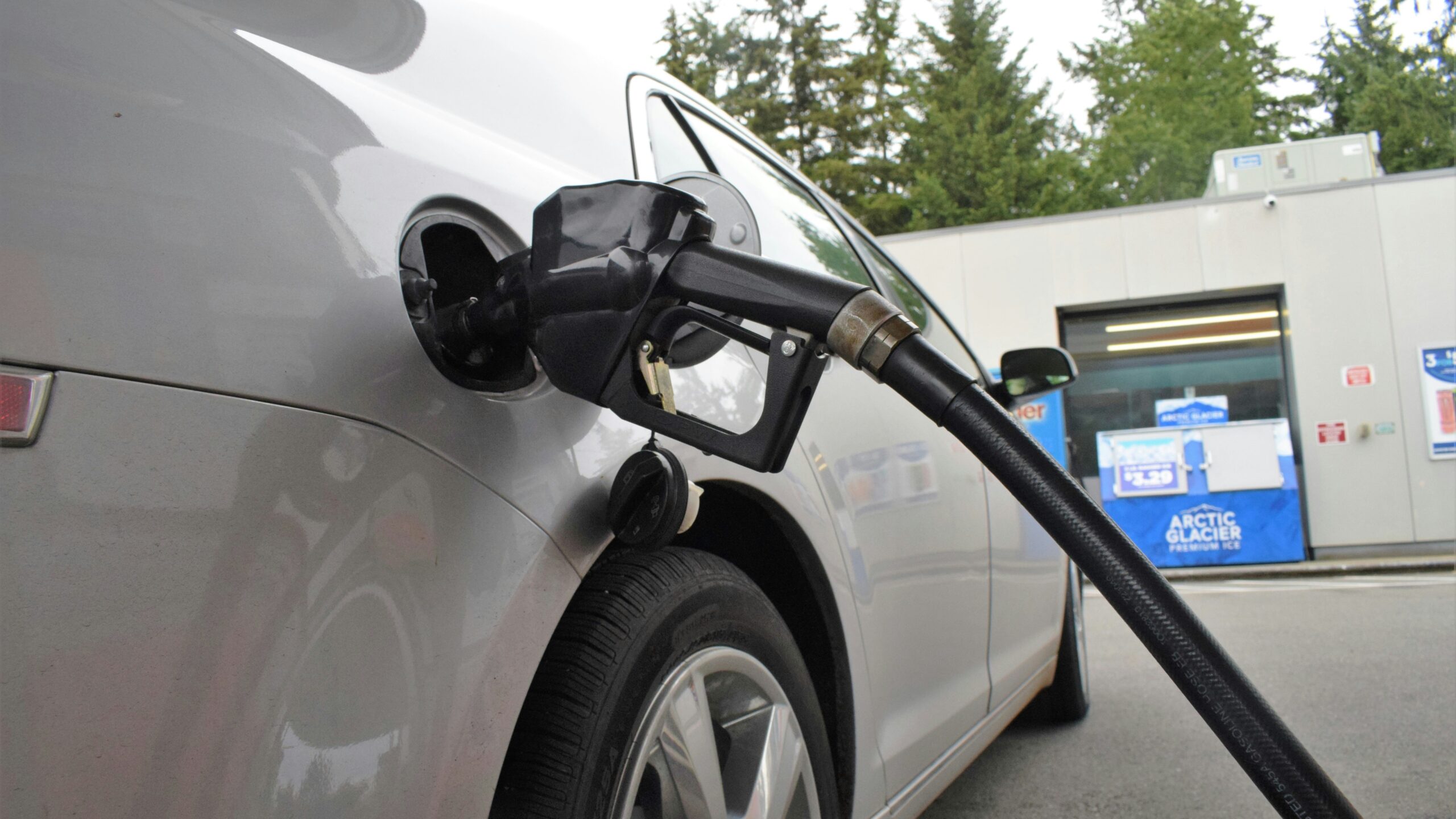
The backdrop at the pump tells much of the story. The Bureau of Transportation Statistics reported that regular gasoline averaged $3.64 per gallon in March 2026, up 25.1% from February and 17.5% higher than March 2025. By mid-April, AAA data cited by the Associated Press placed the national average at roughly $4.02 per gallon, a level the country had not touched since 2022.
For households already squeezed by inflation, those numbers reshape the decision about what to drive next. A three-year-old Chevrolet Bolt or Nissan Leaf now lists for under $20,000 on major resale platforms. Charging overnight at home costs the equivalent of roughly $1.20 per gallon, according to the Department of Energy’s eGallon calculator. When gas sits above $4, the monthly fuel savings alone can exceed $150 for a driver covering 1,000 miles, enough to offset a car payment on a modestly priced model. Meanwhile, the average transaction price for a new EV still hovered near $55,000 in Q1 2026 according to the same Cox Automotive Q1 2026 Market Insights report, keeping new electric models out of reach for many of the buyers driving the used-market wave.
More off-lease EVs are flooding dealer lots
Fuel prices alone do not explain the Q1 jump. A structural shift in supply is unfolding at the same time. Lease terms for many mass-market electric models run two to three years, which means vehicles originally delivered during the 2022 and 2023 EV push are now cycling back through dealerships in growing numbers. The Tesla Model 3, Hyundai Ioniq 5, and Ford Mustang Mach-E are showing up on used lots alongside conventional sedans and crossovers, often with comparable monthly payments once financing is factored in.
That expanding inventory matters. Automotive News reported in April 2026 that franchise dealers in EV-heavy states have seen their pre-owned electric stock roughly quadruple over the past year. In states with robust charging networks, particularly California, New York, and Florida, pre-owned electric models have been turning over briskly throughout the spring.
Federal policy continues to grease the wheels. The Inflation Reduction Act’s $4,000 tax credit for qualifying used EVs, which took effect January 1, 2024, lowers the effective purchase price for buyers earning below the income cap. That incentive stacks on top of state-level rebates in more than a dozen markets, further narrowing the gap between a used EV and a comparable gas-powered car.
New EV sales are growing, but the used side is outpacing them
The used-market jump looks even more notable alongside new EV trends. New electric vehicle registrations also grew in Q1 2026, but at a slower single-digit pace according to preliminary industry tallies, suggesting that the secondhand segment is pulling ahead. Analysts attribute the gap partly to price sensitivity: buyers drawn to EVs by high gas costs are more likely to find an affordable entry point among two- and three-year-old models than on a new-car lot where sticker prices remain steep.
Overall used-vehicle sales were roughly flat in Q1 according to preliminary estimates, which makes the 12% EV gain stand out. Against a stagnant broader market, the number suggests something specific is pulling buyers toward electric models rather than a general uptick in car buying.
Tariffs and battery concerns add wrinkles
Buyers shopping used EVs in spring 2026 are navigating complications that did not exist a year ago. New tariffs on imported vehicles and EV battery components, announced in early 2026, have begun pushing new-car prices higher across the board, giving the used market an additional tailwind. A shopper who might have stretched for a new Hyundai Ioniq 5 last year may now find the tariff-adjusted sticker too steep and turn to a certified pre-owned unit instead.
Battery anxiety, long the top objection among used-EV skeptics, has eased somewhat but not disappeared. Most major manufacturers warrant their EV battery packs for eight years or 100,000 miles, meaning many off-lease models still carry several years of coverage. Independent studies, including data from Recurrent Auto, show that the vast majority of EV batteries retain more than 90% of their original capacity after three years of use. Still, buyers in hot climates or those considering older Nissan Leafs with air-cooled packs face steeper degradation curves, and not every shopper is aware of the distinction.
What the data does and does not prove
Cox Automotive’s 12% figure has been widely cited across industry coverage, but the company has not published a detailed methodology, regional breakdown, or model-level data in a publicly accessible report as of late April 2026. That makes it difficult to determine whether the growth was concentrated in EV-friendly coastal states or spread more evenly into the Midwest and South, where public charging remains spottier. Readers should treat the number as a preliminary estimate until Cox releases its full quarterly report.
Cox also has not drawn an explicit line between the sales increase and rising fuel costs. Without consumer surveys from Q1 isolating gas prices as the primary purchase motivator, the connection rests on timing and economic logic rather than direct confirmation. Other forces, including the flood of off-lease inventory, declining anxiety about battery longevity, and the federal tax credit, could each account for a portion of the growth independent of what happens at the pump.
“The correlation is strong, but we should be careful about calling it causation,” said Jessica Caldwell, head of insights at Edmunds, in an April 2026 interview with the outlet. “Gas prices are the most visible motivator, but supply and incentives are doing a lot of quiet work underneath.”
Where the used EV market goes from here
If gasoline prices stabilize or retreat heading into summer, some price-sensitive shoppers may drift back toward familiar internal-combustion options, especially in areas where public charging is scarce or unreliable. A sustained pullback below $3.50 per gallon would weaken the strongest short-term argument for switching.
On the other hand, if fuel costs keep climbing, the used EV market could run into its own constraints. Popular models with strong range and reliability records, particularly the Tesla Model 3 and Chevrolet Bolt, already move quickly on dealer lots. Tighter supply of the most desirable used EVs would push prices upward, eroding some of the savings that attracted budget-conscious buyers in the first place.
For now, the Q1 numbers point to a market responding to real economic pressure. Rising gas prices did not create the used EV trend, but they appear to have accelerated it at a moment when supply, policy, and consumer awareness were already converging. As Cox Automotive and other analysts release more granular data later this spring, the relative weight of each factor should become clearer.