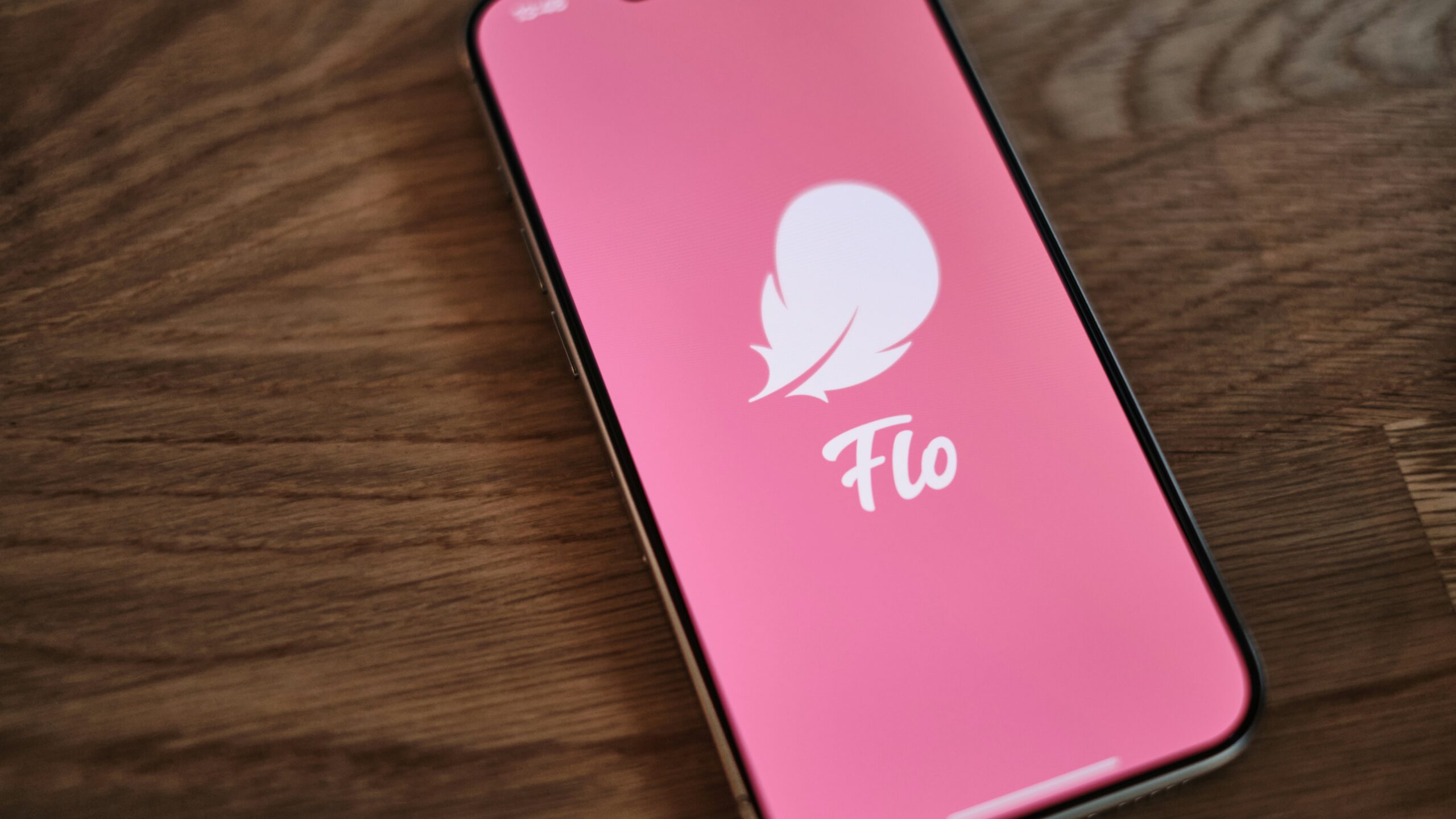
A class-action settlement worth $59.5 million is paying cash to people who used a popular period- and pregnancy-tracking app, and the claim window is open now. The case accused the app’s maker and two technology partners of quietly sharing sensitive health information without proper consent, and eligible users can file for a payment without producing any receipts or documentation. The catch is the calendar: the deadline to submit a claim is October 15, 2026.
What the Flo Health settlement covers
The settlement resolves claims that Flo Health, working with Google and the analytics firm Flurry, transmitted intimate data that users entered into the app to third parties without adequate notice. Under the deal, Flo Health agreed to pay $8 million, Google $48 million, and Flurry $3.5 million, for a combined fund of $59.5 million, according to class counsel at Labaton Keller Sucharow. The companies did not admit wrongdoing in agreeing to settle.
The eligible group is defined by dates. It covers individuals in the United States who used the Flo app between November 1, 2016, and February 28, 2019, and entered information about menstruation or pregnancy during that period. The data at issue was among the most sensitive a person can record: cycle dates, symptoms, and pregnancy status that users logged expecting it to stay private. People who fit that description can file a claim for a share of the fund, with the exact per-person amount depending on how many valid claims come in.
Free retirement updates: Sometimes a single overlooked number or deadline is worth real money. Get free updates that surface the numbers worth knowing.
Why no proof is required to file
Unlike settlements that reimburse documented out-of-pocket losses, this one asks claimants only to confirm that they used the app in the United States during the class period. There is no requirement to upload screenshots, receipts, or records, which lowers the barrier for anyone who remembers using the app in those years. Providing accurate identifying information on the claim form is still necessary, and filing a knowingly false claim carries its own legal risk.
The information-only claim reflects the nature of the case, which centered on data handling rather than a direct financial charge to users. Because the alleged harm was the sharing of private health details, the settlement treats membership in the class as the qualifying fact, not a dollar figure a person paid. Claims can be filed online through the official settlement website or by mail, and each valid claim draws a pro rata slice of the fund left after court-approved fees and administration costs.
A problem regulators had already flagged
The practices at the center of the settlement were not a surprise to federal regulators. In 2021 the Federal Trade Commission finalized an order against Flo Health over allegations that the app shared sensitive health details, including menstrual-cycle and pregnancy information, with outside firms such as Facebook and Google despite promising to keep that information private. The order, described on the FTC’s case announcement, required Flo to obtain users’ consent before sharing health data and to direct any third party that had received the data to destroy it.
The private class action that produced the $59.5 million fund covers the same underlying conduct but reaches users directly with cash rather than the behavioral fixes the FTC secured. That two-track outcome, a regulator’s order followed by a class settlement, is increasingly common in data-privacy disputes and explains why one app can face consequences from both the government and the people whose information was exposed.
The deadlines that decide who gets paid
The filing deadline is the number that matters most. Claims must be submitted by October 15, 2026, and anyone who takes no action receives nothing from the fund, as the claims information compiled by Top Class Actions lays out. Class members who want to object to the terms have until October 8, 2026, and the court has scheduled a final approval hearing for October 29, 2026.
Those dates form a short sequence in the fall of 2026, and each has a different consequence. A missed objection deadline forfeits the chance to challenge the settlement, while a missed claim deadline forfeits the payment itself. Because final approval comes after the claim window closes, filing early avoids any risk of losing out to a last-minute rush.
The wider lesson on health-data payouts
The case is one of a growing wave of settlements over how apps and websites handle personal information, and it shows that data-privacy claims can end in real cash rather than just policy promises. For older households, the practical value is twofold: a family member who used the app in those years may be owed money, and the episode is a reminder that free health and lifestyle apps often monetize the data users type in. Adult children who tracked pregnancies during the 2016-to-2019 window are among the most likely to qualify, and a quick check with relatives can surface a claim that would otherwise go unfiled.
Anyone weighing whether to file can verify the terms through the official settlement channels before the October 15 deadline rather than relying on secondhand summaries, since the details that determine eligibility are the specific app, the country, and the 2016-to-2019 window. The settlement stands as a concrete example that guarding personal data is not only about avoiding harm but can, in some cases, come with a payment attached.
This article was researched and drafted with the assistance of AI and reviewed by The Financial Wire editorial team.
More Financial Reading
- How many CDs can you park at 1 bank? FDIC rules you must know
- What really happens to your joint savings account when you die?