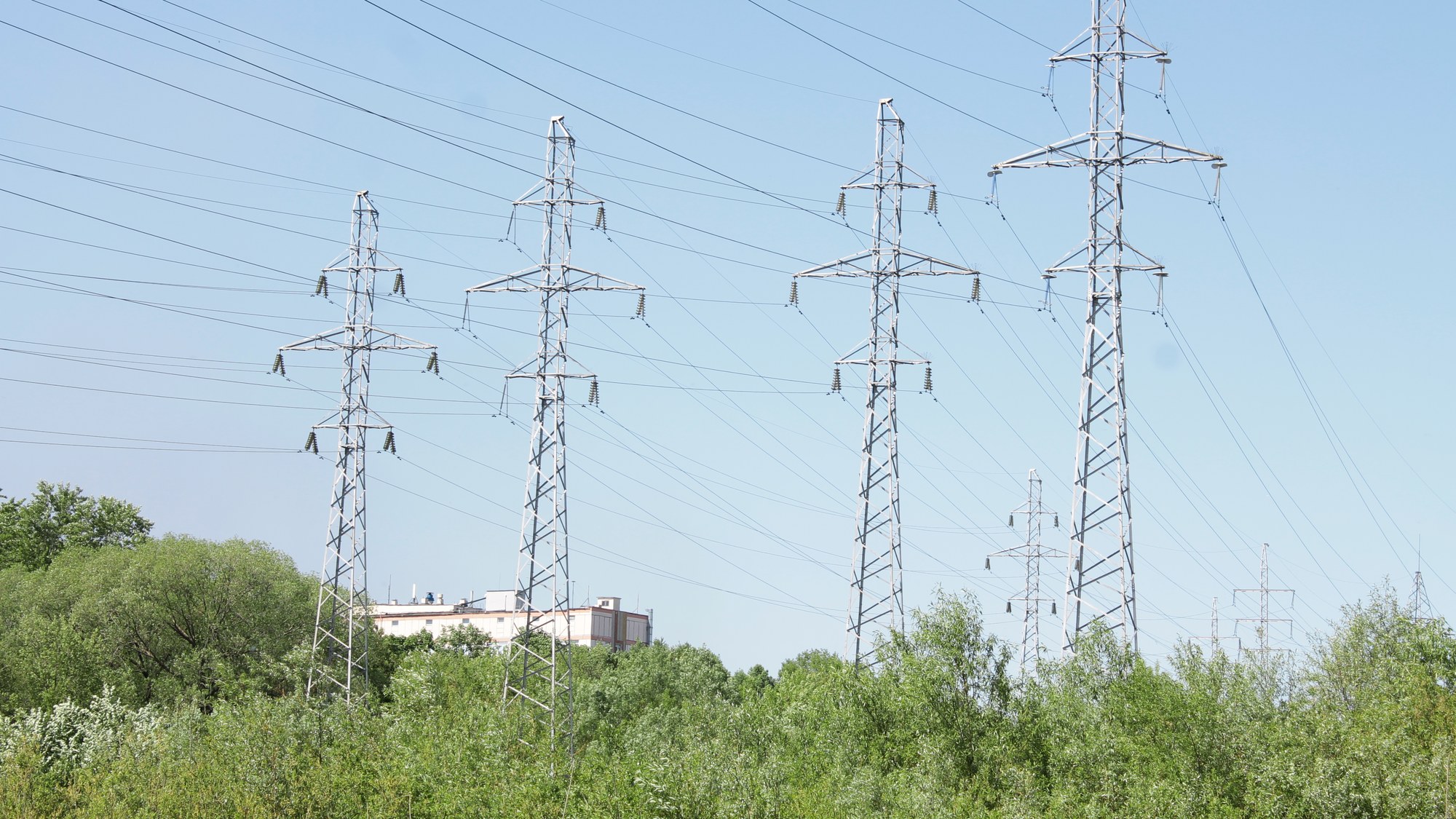
Utilities across the country filed for $9.4 billion in electric and natural gas rate increases during the first quarter of 2026, a pace on track to challenge the record $31 billion in requests utilities sought over the whole of 2025. The tally comes from PowerLines, a nonpartisan consumer group that tracks rate case filings with state regulators nationwide, and the requests already on file are poised to touch more than 81 million customer accounts. For an older household living on a fixed Social Security check, a rate case filed today can still show up on a bill more than a year from now, long after the filing itself stopped making news.
A First Quarter That Already Rivals a Record Year
The $9.4 billion figure reflects requests utilities have filed with state public utility commissions, not increases that have already been approved or billed, according to PowerLines’ first-quarter 2026 filing analysis, which found the requests poised to affect more than 81 million customer accounts nationwide. Even as a request rather than a final bill, the pace stands out: in all of 2025, utilities asked regulators for a record $31 billion in rate increases, double what they had requested in 2024, a year in which electricity and natural gas ranked among the fastest-rising categories in household budgets. A single quarter accounting for close to a third of the prior full year’s total signals the pace has not slowed heading into 2026. The filings span both investor-owned utilities and larger public utilities, each of which must win approval from a state commission before a requested increase can reach a customer’s bill, a process that can stretch across many months of docketed hearings.
Free retirement updates: Social Security and Medicare change every year, and nobody sends you a memo. Our free Retirement Shield newsletter breaks down what changed and what to do. Get it free in your inbox.
An Aging Grid and AI Data Centers Are Feeding the Filings
A separate tracker maintained by the Center for American Progress and the Natural Resources Defense Council points to why the filings keep coming: rising electricity demand from artificial intelligence data centers, delayed maintenance and modernization costs on an aging grid, and extreme weather events that damage equipment and drive up repair bills. That analysis, last updated in August 2026, counted at least 275 electric and natural gas utilities that have implemented, been approved for, or proposed a rate increase since January 2025, with newly enacted and pending increases projected to add $101 billion to customer bills by 2028. It found rates have already increased, or are proposed to increase, for 71 percent of electricity customers and 75 percent of natural gas customers nationwide, covering more than 116 million electric accounts and nearly 60 million natural gas accounts across 49 states and Washington, D.C. The same tracker cautions that final totals can shrink between updates, since regulators sometimes approve a smaller increase than a utility originally requested. It also points to extreme heat as a compounding factor, noting that the added electricity use needed to keep homes cool during heat waves further strains an already-stretched grid and raises the risk of outages just as bills are climbing.
Some States Face Jumps of $40 a Month or More
How much any one household eventually pays depends heavily on where they live. The Center for American Progress and NRDC analysis found residents of Arkansas, New York, and Massachusetts, among other states, could see monthly bills climb by $40 or more once pending cases are decided, layered on top of whatever a household already pays. Seasonal demand compounds the pressure on both ends of the year. The National Energy Assistance Directors Association has found summer cooling costs have risen 40 percent since 2020, with nearly 40 percent of households earning under $50,000 reporting difficulty covering their electric bill even before a new rate case takes effect. The same research group projected home heating costs for the winter of 2025-2026 would climb about 9.2 percent, or roughly $84, compared with the year before.
Trust in State Regulators Is Sliding as Filings Pile Up
A nationwide poll PowerLines commissioned from Ipsos in mid-March 2026 found 68 percent of respondents said their electric or gas bill had already risen over the past year, and 77 percent expected costs to keep climbing. Sixty-one percent said the increases had added to their financial stress, and 52 percent said the changes had affected their spending habits. Only 29 percent said their state government does a good job protecting consumers when it regulates local utilities, a decline of nearly ten percentage points from the prior year’s PowerLines-Ipsos survey. “Utility consumers are feeling the squeeze, and the numbers back them up,” Charles Hua, PowerLines’ founder and executive director, said of the first-quarter filings. “Bills keep rising and people feel powerless to stop it.” Former Federal Energy Regulatory Commission chair Mark Christie put it more bluntly: “Power bills have been rising relentlessly for the past five years and are now reaching a crisis stage.” State public utility commissions, not Congress, will ultimately decide how much of the $9.4 billion utilities requested in the first quarter actually reaches a customer’s bill, and those dockets remain open in state capitals across the country.
The Help When Utilities Rise
Rising utility filings point to exactly the kind of fixed-cost pressure that hits older, budget-conscious households first, since heating and cooling bills climb regardless of how a pending rate case is ultimately decided. Federal home energy assistance and weatherization programs exist to offset that squeeze, covering part of a winter or summer energy bill and paying for insulation or furnace repairs that lower usage long-term, but both are opt-in and no agency mails a notice inviting an eligible household to apply. Many households that qualify never file the paperwork in a given year, leaving help that could soften a rate increase unclaimed.
It is a 69-page guide covering eleven programs, laying out the 2026 income limits and the phone number to call in every state.
See the full list and the 2026 income limits in The Benefits Checklist.
This report was produced with AI assistance and checked against its sources before publishing.