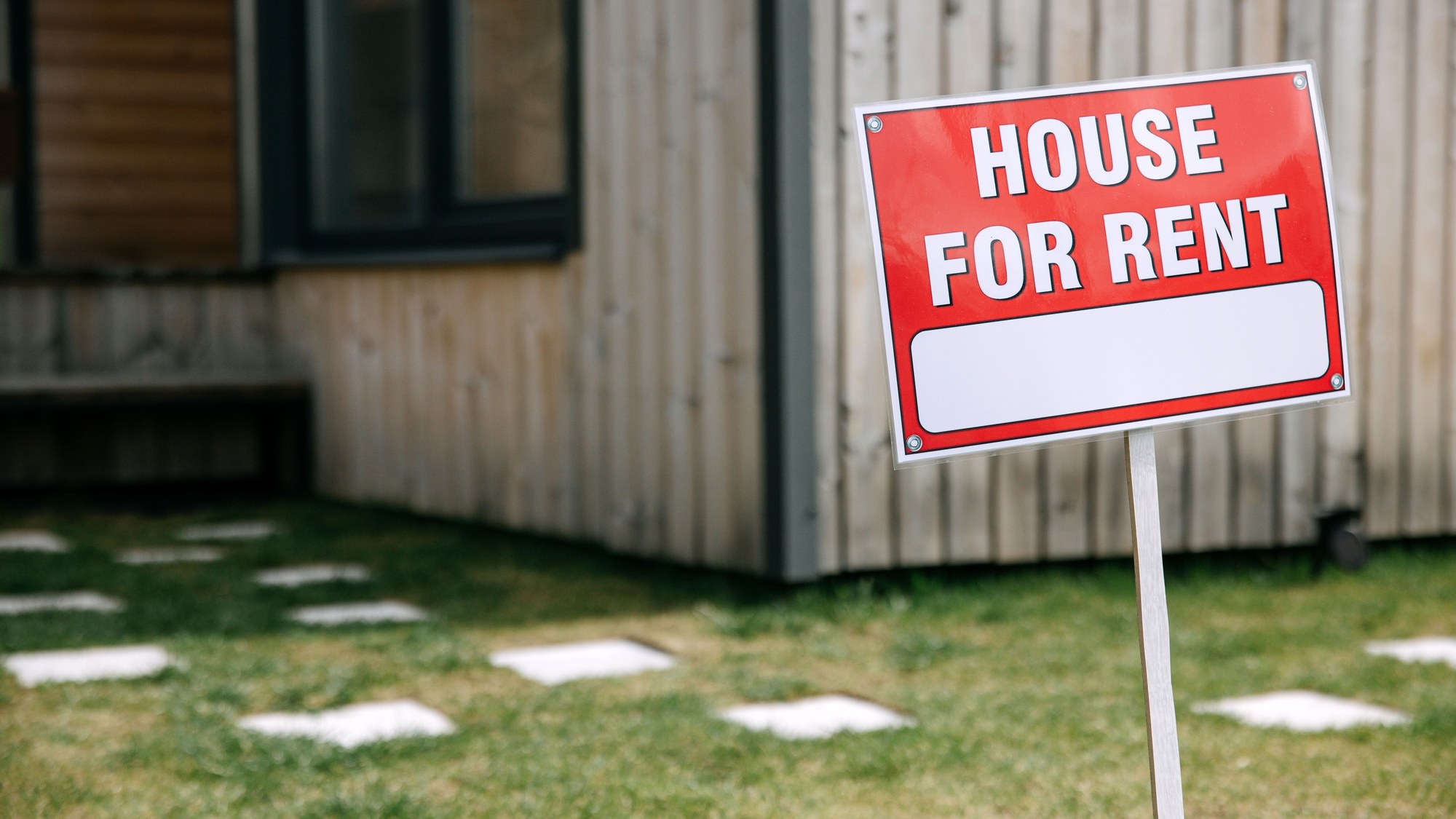
Washington landlords can raise rent no more than 10 percent in 2027, the ceiling the state Department of Commerce has published for Jan. 1 through Dec. 31, 2027. Commerce’s own formula produced 11.53 percent, which is over the limit in state law, so 10 percent governs. On an $1,800 apartment, the most a landlord can add is $180 a month.
How Commerce arrived at 10 percent
The formula is written into the law: 7 percent plus inflation, or 10 percent, whichever is less. Inflation means the June 12-month change in the consumer price index for the Seattle-Tacoma-Bellevue area, not seasonally adjusted, published by the Bureau of Labor Statistics. Commerce calculates the cap each year and typically posts it in early July.
For 2027 the math came to 11.53 percent, which is 7 points plus Seattle-area inflation of about 4.5 percent. The statute stops that figure at 10 percent. Commerce lists the 2027 maximum as 10 percent, and it applies to rent increases between Jan. 1 and Dec. 31, 2027.
The inflation input is the BLS index itself. Commerce’s calculation uses a June 2025 reading of 364.344 and a June 2026 reading of 380.849, a rise of 16.505 points. Measured against the earlier reading, that is the 4.5 percent figure that pushed the total past the limit.
The 2026 cap was lower. Commerce set it at 9.683 percent, based on Seattle-area inflation of about 2.7 percent over the same June-to-June period. The 2027 ceiling is therefore 0.317 point higher than this year’s.
In dollars, the difference is small but real. On $1,800 a month, the 2026 cap allows an increase of about $174. The 2027 cap allows $180, which is $2,160 over a full year. Renters who get a notice can test it by dividing the increase by the current rent.
What changed this year: Social Security and Medicare change every year, and nobody sends you a memo. The Retirement Money Brief breaks down what changed and what to do.
Get the Retirement Money Brief →
We may earn a commission from links on this page.
The 12-month rule and the exemptions
Before any cap applies, a separate rule does. A landlord may not raise the rent for any type of tenancy during the first 12 months after the tenancy begins. A tenant who moved in this year has no increase coming until a full year has passed.
After that first year, increases are limited to the cap in RCW 59.18.700. Commerce says certain properties and situations are exempt under a different section, RCW 59.18.710. The exemptions are not listed on Commerce’s page, which refers readers to the statute.
A landlord who claims an exemption has to say so in writing. The law requires the written rent-increase notice to state the facts that support the exemption. The notice must also meet the requirements of RCW 59.18.720 and 59.18.140 and be served under RCW 59.12.040.
That section of the law does not set a specific advance-notice period for a rent increase. Commerce posts two notice forms, one for residential properties and one for lots in manufactured and mobile home communities. Both are titled Rent and Fee Increase Notice to Tenants.
What a tenant can do about an increase over the cap
The first step is a letter. Under the statute, a tenant must give the landlord a written demand to reduce the increase to a lawful amount. Without that demand, the tenant cannot use the termination remedy that comes next.
If the landlord does not reduce it, the tenant may end the rental agreement before the increase takes effect. The written notice must go out at least 20 days before terminating. The tenant owes rent for the full month in which the move happens, and the landlord may not charge fines or fees for the termination.
A tenant or the state attorney general can also sue. A court may award damages for excess rent, fees or costs the tenant paid, plus up to three months of unlawful charges, along with attorney’s fees and costs. The attorney general can sue without the tenant’s written demand and seek civil penalties of up to $7,500 per violation.
A landlord also cannot report a tenant to a screening service for refusing to pay the unlawfully increased part of the rent. That protects a renter’s credit and rental history while a dispute over the increase is pending.
Where landlords and renters can take questions
Commerce staff cannot interpret the law. Questions about the cap go to HousingPolicy@Commerce.wa.gov, and the page links to the Residential Landlord-Tenant Act, small claims court information, WashingtonLawHelp and the attorney general’s resources for residential and manufactured housing. Commerce also runs a Landlord Mitigation Program.
The cap is a ceiling, not a schedule. A landlord can raise rent by less than 10 percent or not at all. At $1,200 a month, 10 percent is $120. At $2,400 it is $240. Anything beyond those amounts needs a lawful exemption, stated in the notice.
For renters on fixed incomes, the 2027 cap sets the worst case for next year’s housing bill. A raise of $180 on $1,800 rent is $2,160 a year that has to come from somewhere, and the only way to know whether it is lawful is to compare the notice with the cap and with any exemption the landlord names. Renters who are unsure can start with the written notice and the 10 percent ceiling.
Will a $180 raise squeeze the rest of the budget?
A rent increase up to the cap lands on top of power bills, repairs and everything else a fixed income covers. The cap limits one line of the housing bill, and nothing in it touches the others.
The cap story is about rent; The Benefits Checklist covers a related job, the other household costs. It scans 11 benefit programs, among them heating and cooling help, free weatherization and circuit-breaker credits, with the 2026 income limits and a 50-state phone directory. A printable tracker comes with the download.
Scan the 11 programs that cut household costs with the Benefits Checklist →
More Financial Reading
- 21 Ways to Stretch a $2,087 Social Security Check
- 15 Places to Find Your Share of the $4.25 Billion States Give Back
- 21 Ways Retirees Can Raise $1,000 Fast Without a Job
This article was produced with AI assistance and edited for accuracy against the sources linked above.