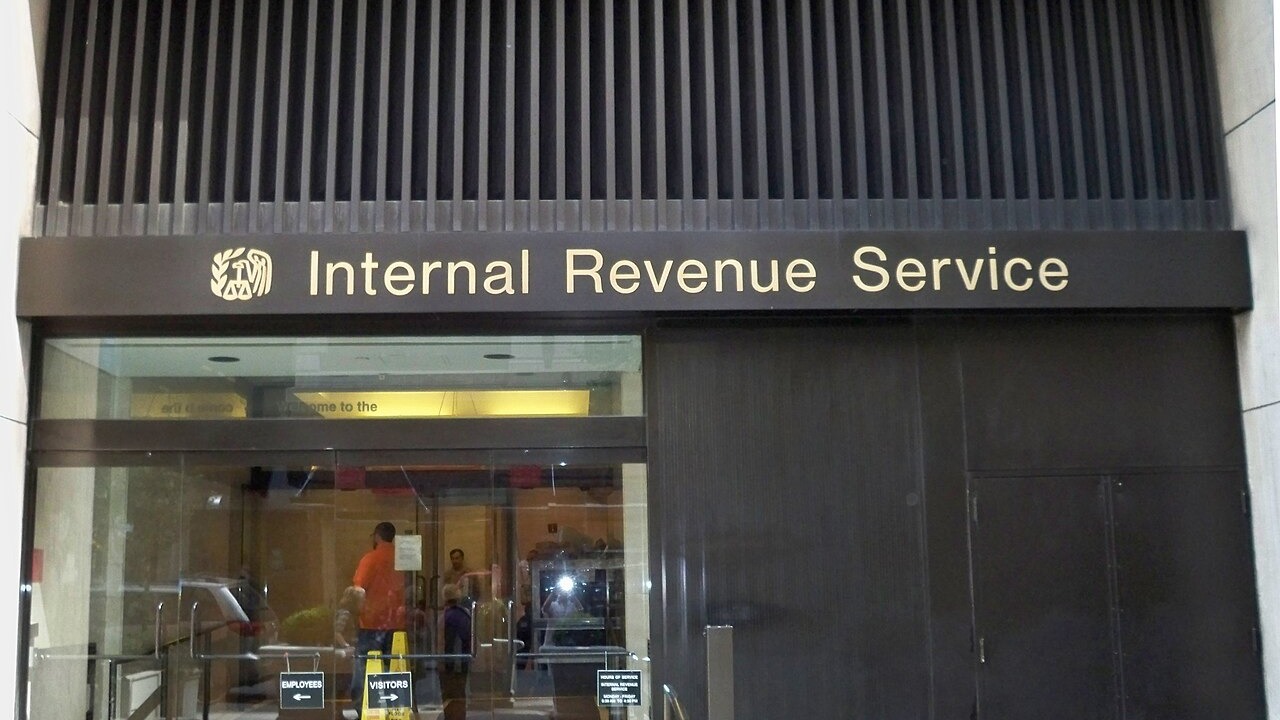
A federal tax reprieve remains open for households and businesses affected by the spring wildfires and straight-line winds in Southeast Georgia. The relief moves certain filing and payment obligations to August 20, 2026, but it is limited by location, original due date and the type of tax task involved. For older residents managing estimated taxes, trusts or small businesses, those boundaries determine whether postponement prevents a penalty or merely creates false confidence.
Three counties are inside the covered area
The automatic geographic relief currently covers people who live in Brantley, Clinch or Echols County and businesses whose principal place of business is there. The disaster period began April 18, and the postponement generally reaches covered federal deadlines falling on or after that date and before August 20.
The current IRS notice says eligible taxpayers now have until August 20 to file qualifying returns and make qualifying payments. The agency ordinarily identifies addresses within the covered counties and applies relief automatically, so there is no special application for most residents and local businesses.
Free retirement updates: Miss an enrollment or claim deadline and it may be gone. Our free Retirement Shield newsletter keeps readers ahead of the ones that matter. Get the free newsletter.
The postponement reaches more than one return
The August date can apply to individual, corporate, partnership, S corporation, estate and trust income-tax returns, along with certain exempt-organization, employment and excise-tax returns. It also covers estimated income-tax payments originally due during the postponement period. That breadth matters for retirees who still run a business, receive self-employment income, serve as fiduciaries or make quarterly payments from investment income.
The relief is not a cancellation of tax. It extends the time to complete covered actions without the ordinary late consequences, while the underlying return and payment remain due. A taxpayer should identify the original deadline for each obligation rather than assume everything outstanding moved to August 20.
Some records outside Georgia can still qualify
Eligibility is not limited to a home or storefront physically inside the three counties. The IRS notice also describes relief for taxpayers outside the disaster area whose records needed to meet a covered deadline are located there. Recognized government or charitable relief workers and certain people injured while visiting the area may qualify under the affected-taxpayer rules as well.
Those cases generally require contact with the IRS because the agency cannot infer the connection from the taxpayer’s address. The notice directs affected taxpayers outside the covered area to the IRS Special Services line at 866-562-5227. Tax practitioners whose necessary records are inside the affected counties have a separate bulk-request process when they represent ten or more clients.
The correction closes off retirement-distribution relief
The IRS corrected its announcement on May 18 after an earlier version referred to disaster provisions that do not apply. The agency now states that the federal disaster-tax law mentioned previously does not cover payments described in the notice. It also says special retirement-plan or IRA distribution relief under SECURE 2.0 and disaster hardship-withdrawal provisions is unavailable here.
That distinction is a meaningful money safeguard. A wildfire-affected IRA owner should not treat an early distribution as penalty-free, spread the income over several years or expect recontribution rights merely because a filing deadline was postponed. Any withdrawal needs to stand on the ordinary tax rules or another independently verified exception.
Information returns and deposits follow narrower rules
The postponement generally does not cover W-2, 1094, 1095, 1097, 1098 or 1099 series information returns, nor Forms 1042-S, 3921, 3922 or 8027. Employment and excise-tax deposits also were not broadly moved to August. The notice offered penalty abatement only for deposits due on or after April 18 and before May 4 when they were made by May 4, a date that has already passed.
A late-penalty notice can still require action even when the underlying filing qualifies. If the notice concerns an original due date within the covered postponement period, the IRS instructs the taxpayer to call the number printed on the notice to request abatement. Keeping the notice, proof of residence or business location, and disaster-related records together can make that conversation more precise.
August 20 is a working deadline, not a new extension request
Waiting until the final day can be costly if records remain inaccessible or a payment method fails. A practical review separates individual returns, entity returns, trust obligations, estimated payments and any information-reporting duties, then confirms whether each original date fell within the covered window. Taxpayers can also check the IRS disaster-relief index for later additions or changes before filing.
Wildfire losses themselves are a different tax question from deadline relief. The IRS’s Publication 547 explains the rules for casualty and theft losses, recordkeeping and reimbursement; it does not turn every personal loss into a federal deduction. Insurance proceeds, the nature of the property and the applicable disaster designation can all affect the calculation.
The postponement can also preserve time to claim a federal refund or credit. The IRS says a disaster-postponed return deadline is treated as an extension when calculating the legal limit for a refund claim. That rule can protect money for a qualifying late filer, but only for the return and period covered by the disaster relief; it is not an unlimited reopening of older tax years.
The controlling notice remains narrower and more useful than a general promise of “extra time.” It identifies three counties, an April 18 start to the postponement period, an August 20 endpoint and specific exclusions. Those details are the checklist taxpayers should use before relying on the relief.
This article was researched and drafted with AI assistance and reviewed against the linked primary sources.
More Financial Reading
- How many CDs can you park at 1 bank? FDIC rules you must know
- The ideal retirement withdrawal rate so your savings actually last