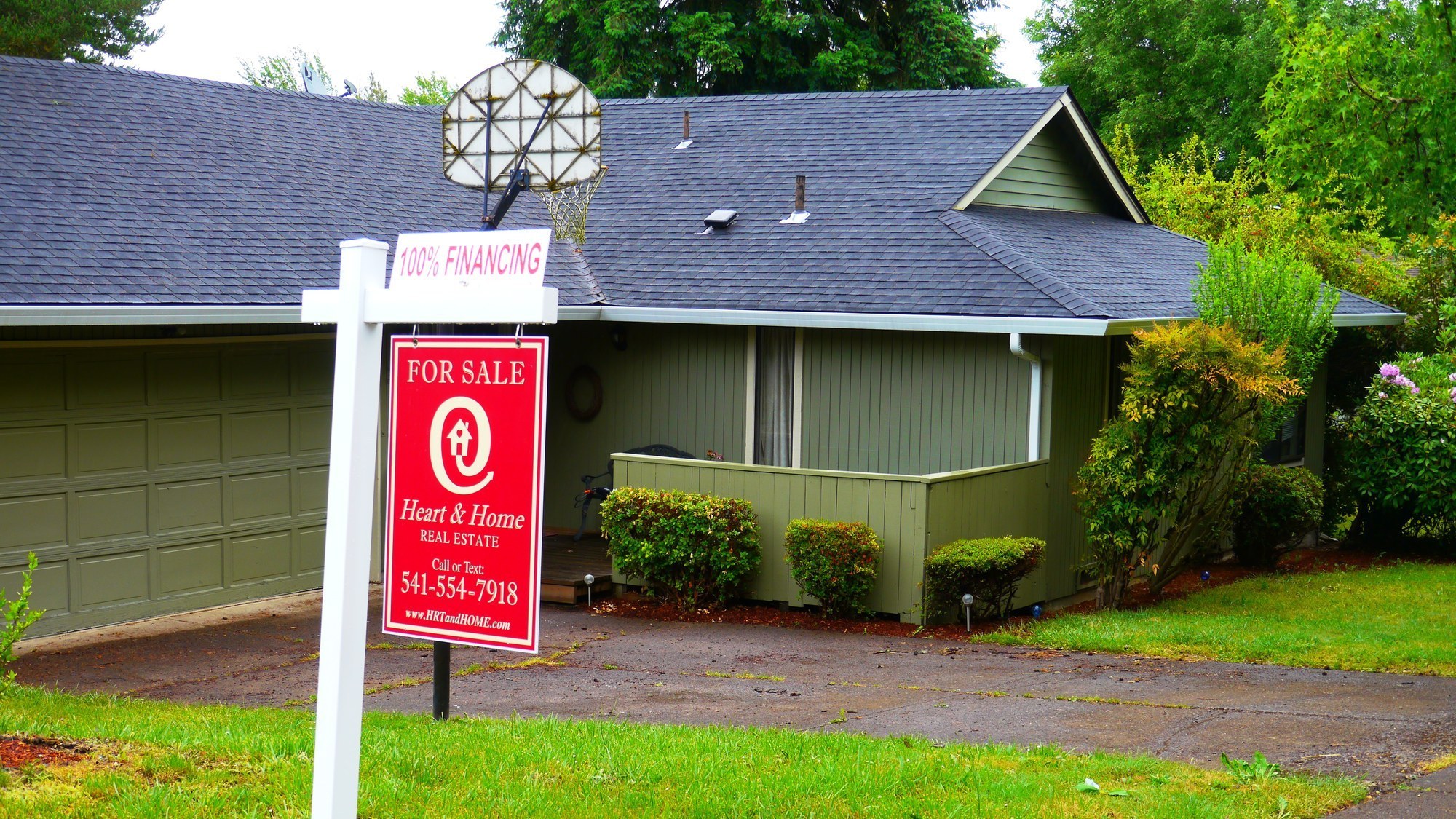
When a three-bedroom ranch in a growing Sun Belt suburb sat on the market for weeks this spring without a single offer, the listing agent suggested something that would have been unthinkable two years earlier: the seller should pay to lower the buyer’s mortgage rate. The seller agreed, funding a temporary rate buydown that shaved roughly $500 off the buyer’s monthly payment in the first year. Within a week, the home was under contract.
That kind of deal is no longer unusual. With the 30-year fixed mortgage rate pinned near 6.6 percent for weeks, a growing share of sellers across the country are dipping into their own proceeds to buy down the buyer’s interest rate or cover closing costs. According to data tracked by Redfin, nearly one in four home sales in the first quarter of 2026 included some form of seller concession tied to financing, whether that meant funding a temporary buydown, covering lender fees, or both. That share has climbed steadily since late 2024, when mortgage rates first settled into the mid-6s and stayed there.
Why rates have barely moved
The Freddie Mac Primary Mortgage Market Survey, the most widely cited benchmark for U.S. home-loan rates, has shown the 30-year fixed hovering between roughly 6.5 and 6.7 percent for more than a month. As of late May 2026, the average sat near 6.6 percent, virtually unchanged from the prior week and only a few basis points off where it was a month earlier. The moves have been so small they amount to rounding errors.
The bond market is the reason. The Federal Reserve held its benchmark rate steady at its May 2026 meeting and signaled that further cuts hinge on sustained progress on inflation. The 10-year Treasury yield, which heavily influences mortgage pricing, has traded in a similarly tight band. Until one of those anchors shifts, lenders have little reason to adjust the rates they offer borrowers.
For buyers, the math is punishing. Financing $400,000 at 6.6 percent means a principal-and-interest payment of roughly $2,560 a month. The same loan at the 3 percent rates available in early 2021 would have cost about $1,686. That $874 monthly gap has not closed, and nothing in the current economic outlook suggests it will close quickly.
How seller concessions actually work
The simplest version is a closing-cost credit: the seller agrees to hand the buyer a fixed dollar amount at settlement, which the buyer applies toward lender fees, title insurance, prepaid taxes, or other charges. On a typical purchase, those costs run 2 to 5 percent of the sale price, so a $10,000 credit on a $400,000 home can meaningfully reduce the cash a buyer needs upfront.
The more aggressive tool is the temporary rate buydown. In a 2-1 buydown, the seller funds an escrow account that subsidizes the buyer’s interest rate by two percentage points in the first year and one point in the second. On a $400,000 loan with a 6.6 percent note rate, that drops the effective rate to 4.6 percent in year one and 5.6 percent in year two before reverting to the full 6.6 percent in year three. The buyer’s monthly payment falls by roughly $500 in the first year and $250 in the second. According to mortgage industry estimates, the seller’s upfront cost for that structure typically runs between $8,000 and $12,000, depending on the loan amount and lender pricing.
Why would a seller spend that instead of simply cutting the list price? Because a price reduction is permanent. It shows up in comparable-sale records and can drag down appraised values for neighboring homes. A buydown keeps the recorded sale price intact while solving the buyer’s affordability problem at the monthly-payment level. For sellers in neighborhoods where values are still appreciating modestly, protecting the comp is worth the cash outlay.
One important limit buyers should know
Seller concessions are not unlimited. Loan programs cap how much a seller can contribute. On a conventional mortgage, the ceiling ranges from 3 percent of the sale price (for buyers putting less than 10 percent down) to 9 percent (for buyers with 25 percent or more equity). FHA loans cap seller contributions at 6 percent, and VA loans at 4 percent. Any concession that exceeds those thresholds has to be restructured or the excess comes off the sale price, which can trigger appraisal complications. Buyers and their agents should confirm the applicable cap before negotiating a concession package.
Where concessions are showing up most
The trend is not uniform. In markets where inventory has been climbing and homes are sitting longer, seller concessions have become almost standard. Builders were among the first to offer rate buydowns back in 2023, and resale sellers have followed as competition for buyers intensified. Markets with higher levels of new construction and rising active listings tend to see the most concession activity, because sellers there face the stiffest competition for a limited pool of qualified buyers.
In tighter markets where listings remain scarce and multiple-offer situations still occur, sellers have less reason to offer financing help. Buyers in those areas are more likely to absorb the full cost of a 6.6 percent rate or adjust their search, trading square footage or commute time for a lower price point.
The split underscores a broader reality: the national average rate is the same for everyone, but the negotiating dynamics around that rate vary enormously depending on local supply. Two buyers in different metros face the same borrowing cost but very different leverage at the offer table.
What buyers should weigh before accepting a buydown
A seller-funded buydown can look like free money, but it carries trade-offs worth understanding. The subsidized rate is temporary. When it expires, the payment jumps to the full note rate, and the buyer needs to be financially prepared for that increase. If rates have fallen by then, refinancing may be an option, but counting on a refi is a bet, not a plan.
Buyers should also compare the buydown to a straight price reduction. A $10,000 price cut lowers the loan balance permanently, reducing both the monthly payment and the total interest paid over the life of the loan. A $10,000 buydown lowers the payment temporarily but leaves the principal unchanged. Which option saves more depends on how long the buyer plans to stay in the home and whether rates drop enough to make refinancing worthwhile.
Any lender can run both scenarios side by side, and buyers should ask for that comparison before agreeing to terms. The right answer is specific to the deal, not universal.
What could shift the balance between buyers and sellers
Two forces could push the concession trend in either direction. If the Fed begins cutting rates later in 2026 and the 10-year Treasury yield follows, mortgage rates could drift toward the low 6s or even the high 5s. That would restore enough purchasing power to reduce the need for seller-funded workarounds. Transaction volume would likely rise, tightening inventory and giving sellers back some pricing leverage.
If inflation proves stickier than expected or fiscal-deficit concerns push Treasury yields higher, rates could climb toward 7 percent. In that scenario, seller concessions would not just persist but would likely grow larger and more creative, with sellers offering bigger buydowns or combining rate subsidies with closing-cost credits to hold deals together.
Right now, the market sits in a holding pattern defined by a rate that is too high for many buyers to absorb on their own and too stable to suggest relief is imminent. Sellers who want to move their homes are filling that gap with their own cash. Buyers who understand how a buydown works, and who bother to run the numbers against a price cut, are in the strongest position to negotiate terms that actually fit their budget. The deals are still getting done. They just cost someone more than they used to.