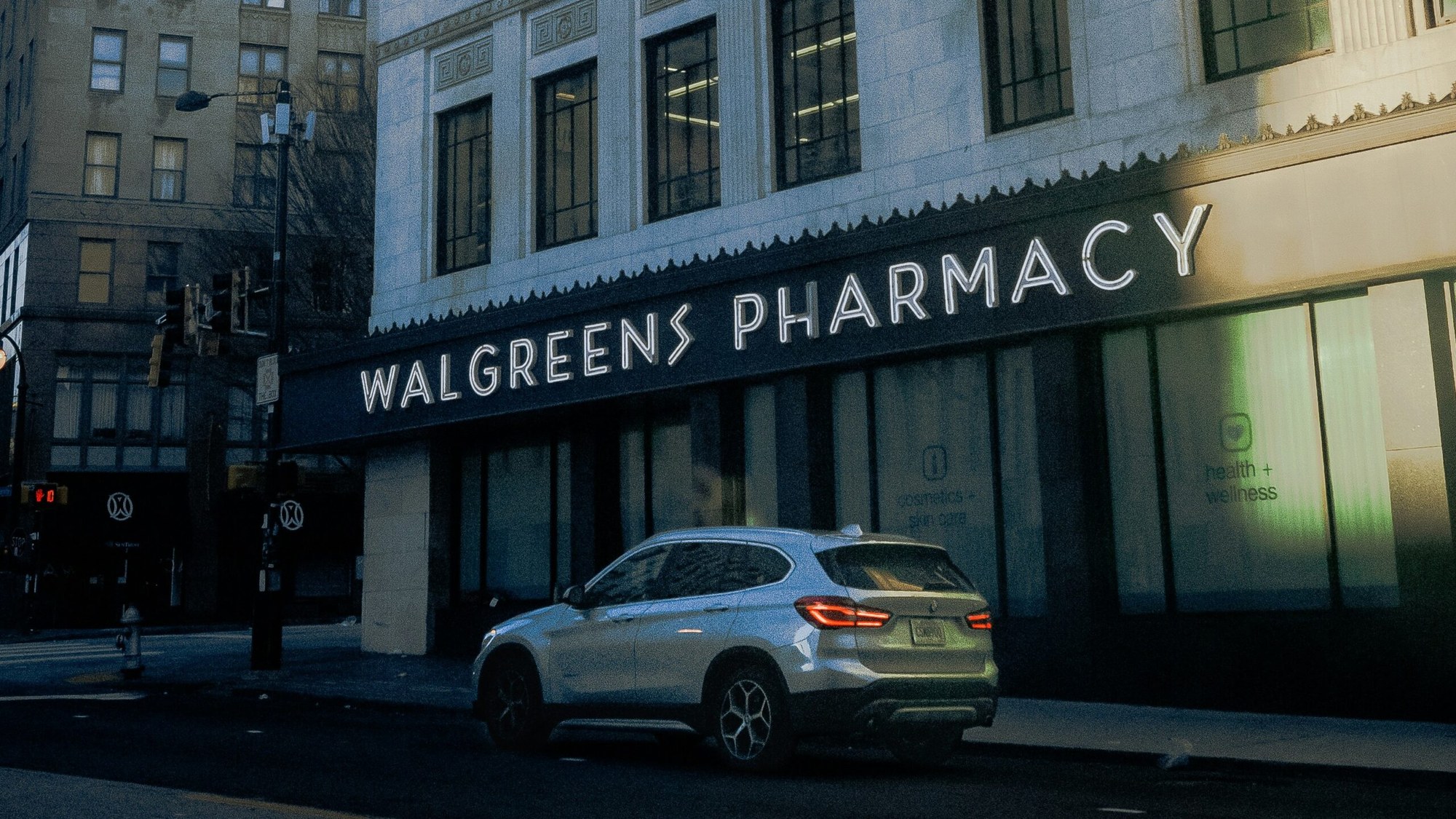
The corner drugstore has been a fixture of American life for generations, but the map of where a prescription can actually be filled is thinning fast. Rite Aid has exited retail entirely after bankruptcy, and Walgreens is continuing to close locations. For older adults who depend on a nearby pharmacy for daily medications, the result is a growing number of communities where the closest counter is now miles away.
The Two Chains Behind the Shift
Rite Aid, once one of the largest drugstore chains in the country, no longer operates as a national retail pharmacy following its bankruptcy proceedings, with its stores closed or sold off to other operators. Walgreens, the second-largest chain, has meanwhile pressed ahead with its own store closures, part of a plan announced earlier to shut roughly a thousand or more locations as it reshapes a struggling business. As reporting on the closures notes, the retrenchment is ongoing rather than a single event, which means the footprint keeps contracting.
Free retirement updates: Miss an enrollment or claim deadline and it may be gone. The free Retirement Shield newsletter keeps readers ahead of the ones that matter. Get the free newsletter.
What a Pharmacy Desert Actually Is
Researchers use the term pharmacy desert to describe an area where residents lack convenient access to a retail pharmacy, often defined as having no drugstore within a certain distance. Studies have found that millions of Americans now live in such areas, and that a large share of the nation’s counties contain at least one. When a chain closes the only pharmacy in a small town or an urban neighborhood, the surrounding blocks or miles can tip into that category overnight. The people most affected are those who cannot easily drive or absorb the cost of a long trip, a group that skews older.
Why Older Adults Feel It First
Retirees tend to take more prescription medications than younger people, and often several at once. A closure does not simply mean a longer errand; it can mean transferring multiple ongoing prescriptions to a new pharmacy, re-establishing records, and sometimes waiting while the new store orders a drug it does not stock. For someone managing heart medication, insulin, or a blood thinner, even a short gap between refills carries real health risk. Missed or delayed doses have been linked to worse outcomes, so the inconvenience is also a medical exposure.
The Hidden Costs of a Farther Counter
Distance carries a dollar cost that lands hardest on a fixed income. A pharmacy several towns over means gas, wear on a car, or paying for a ride, repeated every time a prescription needs picking up. Some retirees respond by switching to mail-order delivery, which works well for stable maintenance drugs but poorly for a new prescription needed the same day or a medication that must be refrigerated. Others lean on friends or family for transport, trading money for a different kind of dependence. None of these workarounds is free, and the cheapest option before was simply walking or driving a few minutes to a nearby store that no longer exists.
Steps That Soften the Blow
Older adults facing a closing pharmacy have a few practical moves. Confirming where a closing store is transferring its prescription records prevents refills from falling through the cracks, and asking a new pharmacy to sync all medications to the same monthly refill date cuts the number of trips. Many Medicare Part D and Medicare Advantage drug plans offer mail-order pharmacy benefits, sometimes at a lower copay for a 90-day supply, which can replace routine trips for maintenance drugs. Independent community pharmacies, which are not part of the closing chains, often remain in areas the big retailers have abandoned and may deliver locally. Checking a plan’s preferred-pharmacy network also matters, because filling outside that network can raise the out-of-pocket price.
Putting a Dollar Figure on the Distance
The added cost is easy to underestimate until it is added up. Suppose a closure pushes a retiree’s nearest pharmacy from two miles away to fifteen. A round trip of thirty miles, made twice a month to pick up refills, is 720 miles a year; at a rough driving cost of 30 cents a mile that is more than $200 annually just to reach the counter, before counting the value of the time or the strain on someone who no longer drives comfortably. A retiree who cannot drive and pays for a ride can face far more, perhaps $20 or $30 each way. Against those figures, a plan’s mail-order benefit that delivers a 90-day supply of a maintenance drug, sometimes at a lower copay than three monthly fills, can save both the trips and the dispensing costs. Synchronizing every prescription to a single refill date turns several trips a month into one, shrinking the mileage bill further. The distance to a pharmacy, in other words, is a line item, not just an inconvenience.
A Structural Problem, Not a Passing One
The forces squeezing retail pharmacies, including thin reimbursement on prescriptions and pressure from pharmacy benefit managers, are not expected to reverse quickly, so the desert map is likely to keep spreading rather than snap back. That makes it worth treating pharmacy access as part of retirement planning, alongside housing and transportation. For a retiree choosing where to live or how to manage a chronic condition, the distance to a reliable place to fill a prescription has become a financial and medical variable that can no longer be taken for granted.
This article was researched and drafted with the assistance of AI and reviewed by The Financial Wire editorial team.
More Financial Reading
- How many CDs can you park at 1 bank? FDIC rules you must know
- Adding someone to your bank account: tax traps and smart moves