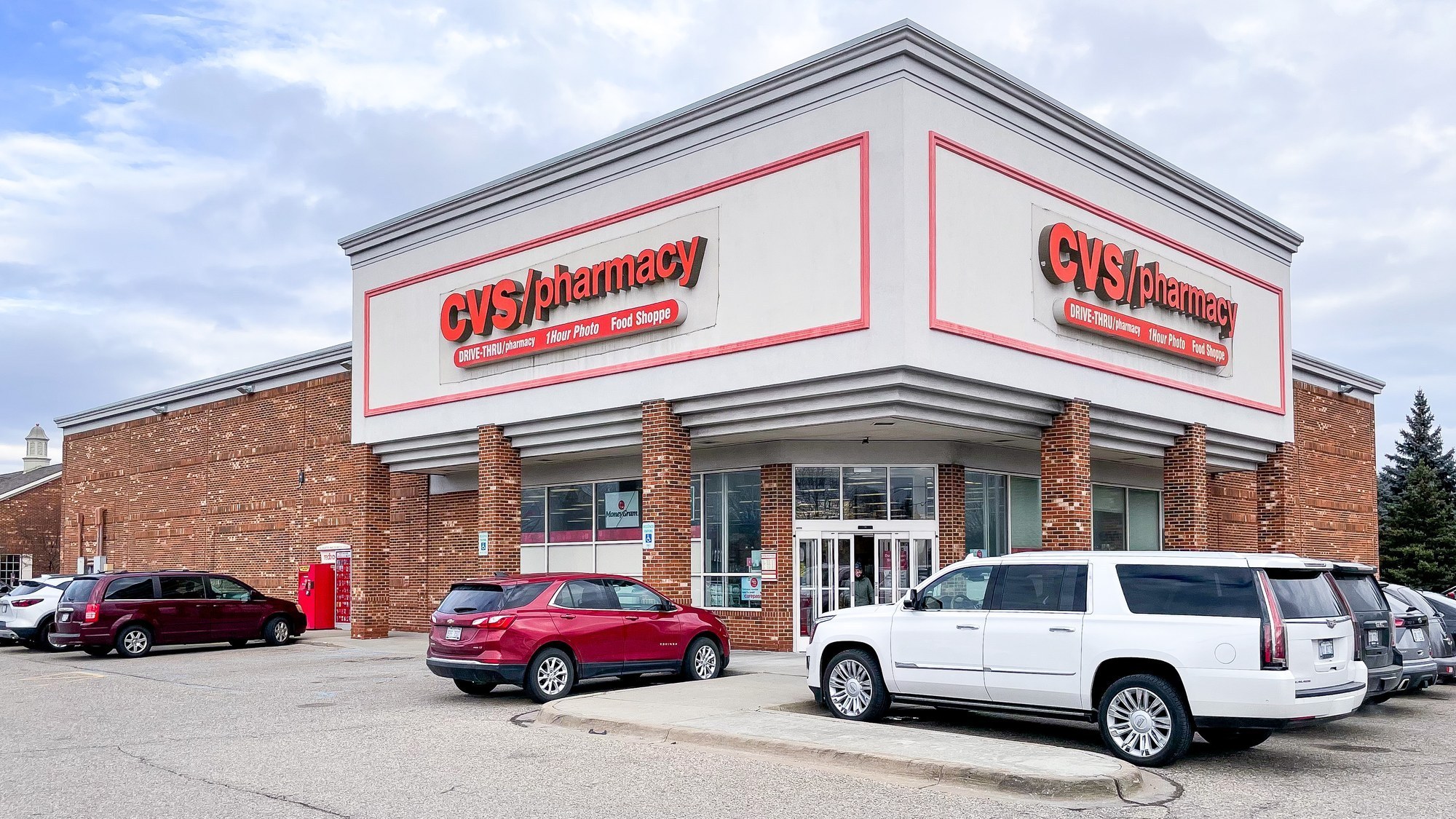
Rite Aid no longer operates a single store in the United States, and the prescription records the chain once held now sit with a single competitor. CVS Pharmacy has absorbed the bulk of what was left of Rite Aid and its Bartell Drugs subsidiary, a consolidation that quietly reshaped where millions of older Americans now fill their prescriptions.
For most transferred patients, nothing about the process required them to lift a finger, which is part of why the scale of the change has gone largely unnoticed outside the pharmacy industry.
Rite Aid was, at its peak, one of the three largest drugstore chains in the country, with thousands of locations across dozens of states. Its collapse followed years of debt from a failed merger attempt, declining store traffic and a wave of opioid-related litigation that drained cash the company needed to compete with larger rivals. By the time the second bankruptcy closed its last stores, the chain’s most valuable remaining asset was not real estate or inventory — it was the prescription histories tied to millions of patient accounts.
How Rite Aid’s Collapse Became a CVS Acquisition
Rite Aid filed for bankruptcy twice — first in October 2023, then again in May 2025, a filing that ended with the chain closing every remaining store. CVS Pharmacy stepped in during that wind-down, and according to CVS Health’s own announcement, completed its acquisition of select Rite Aid and Bartell Drugs assets nationwide on October 15, 2025. The deal was structured in two parts: CVS took over the operation of some physical stores outright, and separately purchased the prescription files from pharmacies it did not keep open.
Free prescription checklist: When a drug’s price or coverage rule changes, the next refill is where it shows up. Get the free coverage and pharmacy checklist.
Free download from RetireShield. Getting it also signs you up for the free Retirement Money Brief, a weekday email. Unsubscribe anytime.
Where the Nine Million Prescription Records Went
CVS acquired the prescription files of 626 former Rite Aid and Bartell Drugs pharmacies spread across 15 states, according to Pharmacy Times‘ coverage of the closing. Between the transferred files and the stores it now operates directly, CVS says it is serving more than nine million former Rite Aid and Bartell patients, making it the primary destination for prescription histories that once belonged to one of the country’s largest drugstore chains.
What Changes for a Transferred Patient
A transferred prescription file means CVS can fill a refill using the same prescription history Rite Aid held, without a patient needing to request records or start a new prescription from a doctor. What does change is the pharmacy itself — a different location, a different insurance-processing system, and in some cases a different generic manufacturer stocked on the shelf, any of which can affect co-pay amounts or wait times even when the underlying prescription is unchanged.
A change in pharmacy network can also matter for anyone on a Medicare Part D plan that contracts with a specific set of “preferred” pharmacies, since filling a prescription at a non-preferred location can mean a higher copay even when the drug itself and the insurance plan haven’t changed at all. Patients whose Rite Aid location closed rather than converting to a CVS storefront are the ones most likely to need to actively confirm their new pharmacy is still in-network before their next refill.
The Stores and Staff That Moved With the Files
Sixty-three former Rite Aid and Bartell locations in Idaho, Oregon and Washington reopened under the CVS name rather than closing outright, and CVS says it hired more than 3,500 former Rite Aid and Bartell employees as part of the transition. That continuity is one reason the handoff produced less disruption than Rite Aid’s store closures alone might have caused, since many patients found a familiar pharmacist behind a new sign rather than an empty storefront.
For the 15 states where CVS took over only the prescription files and not the physical stores, the experience looked different: patients had to identify and visit a nearby CVS location for the first time, often without the advance notice that would normally accompany a routine pharmacy switch.
Keeping Track of a Prescription File That Just Moved
A prescription transferred automatically between chains can still land on a different formulary tier or trigger a new prior-authorization request, especially for someone on a Medicare Part D plan that has its own separate pharmacy network rules. Confirming that a moved file didn’t quietly change a copay is easy to overlook until a refill comes back more expensive than expected.
The Medicare Cost & Coverage Protection Kit is a 10-page kit with the prior-authorization appeal steps and a medication and cost tracker for catching a cost change early.
Check coverage details in The Medicare Cost & Coverage Protection Kit.
This article was reported with the assistance of AI tools and reviewed by The Financial Wire editorial team.