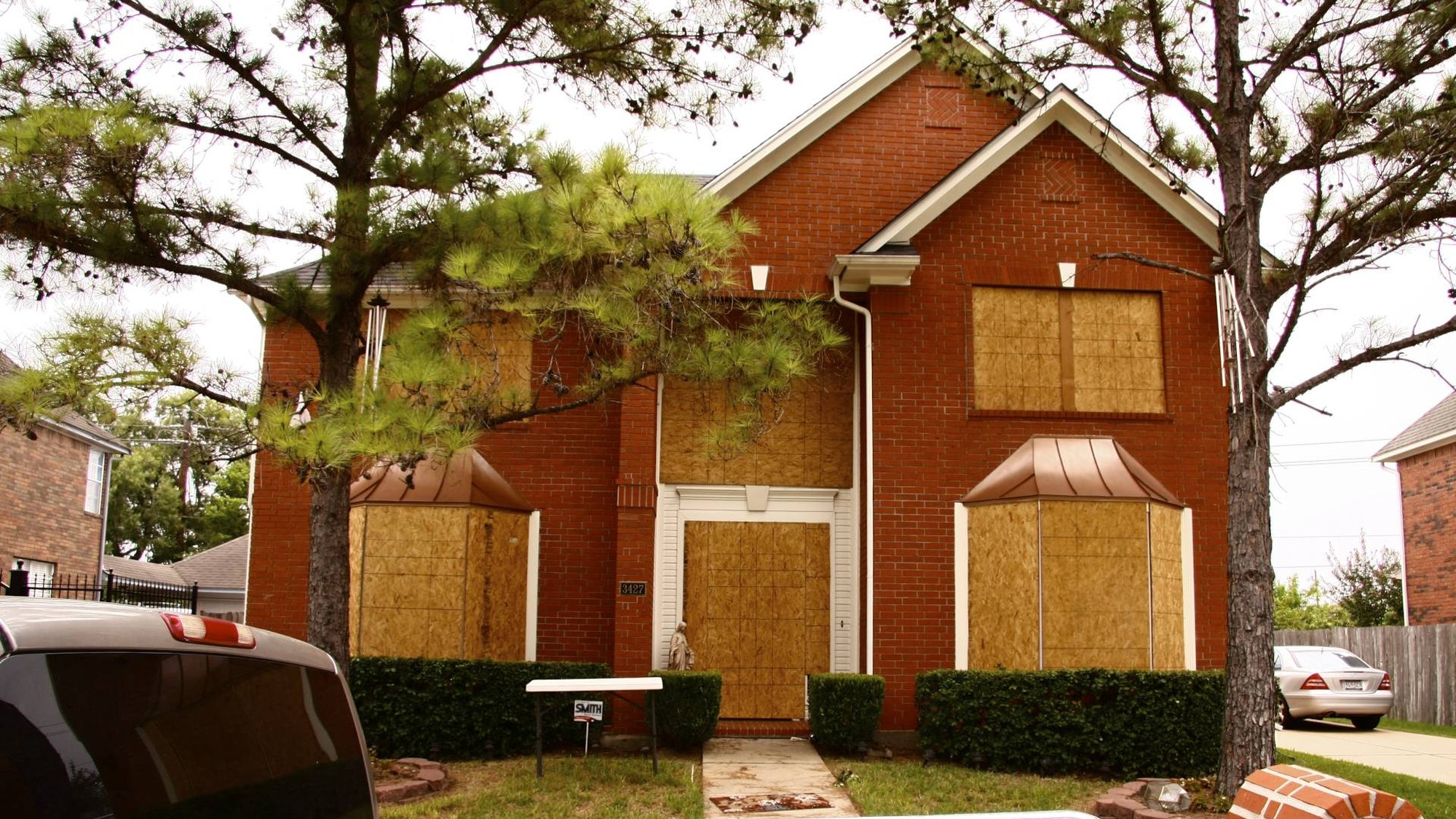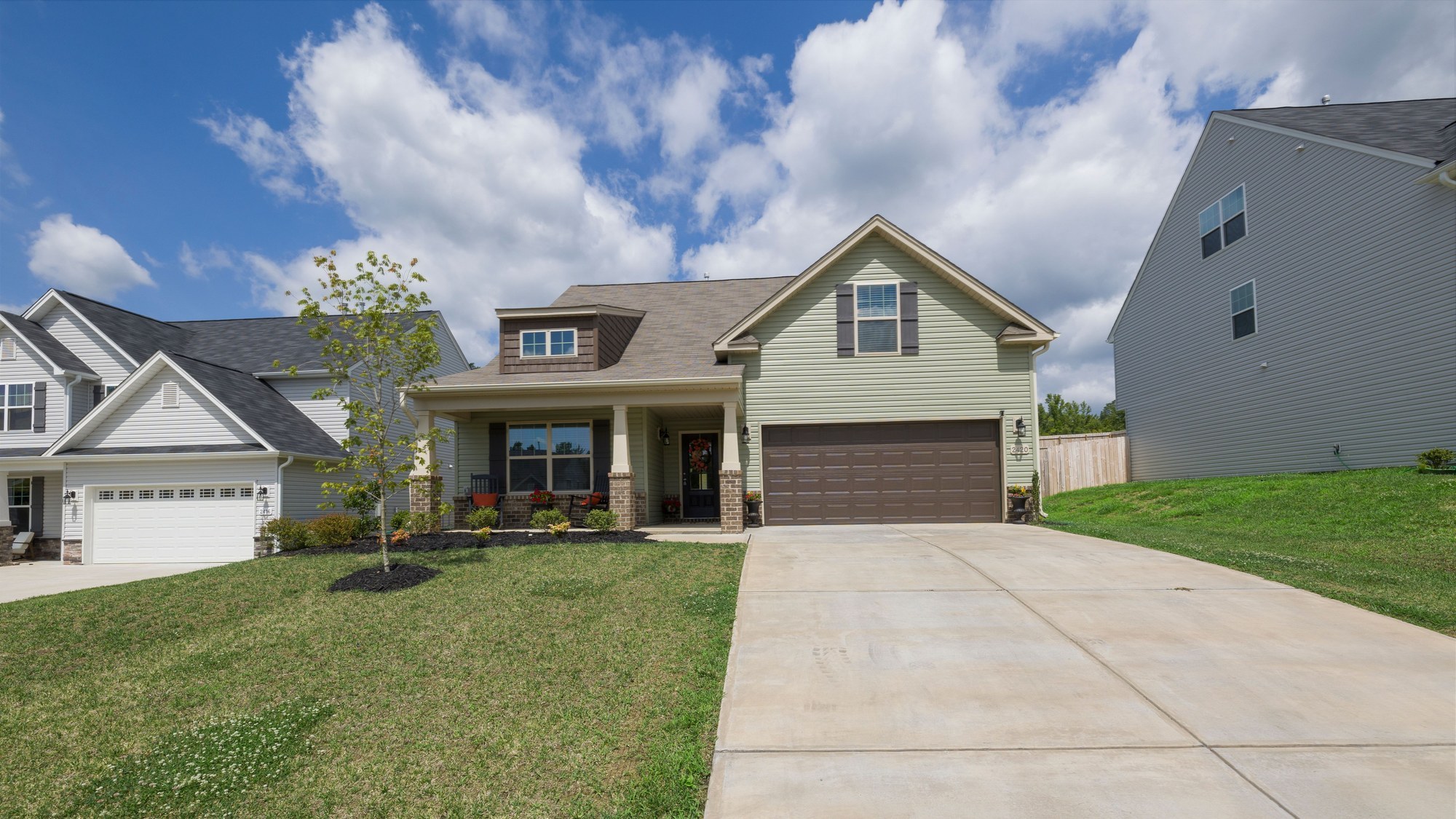
Selling a big house and buying something smaller sounds like an obvious way to cut costs in retirement, and often it is. But the math has shifted. With borrowing far more expensive than it was a few years ago, a retiree who trades a paid-off or low-rate home for a smaller place financed at today’s rates can end up with a monthly payment that rivals or beats the one left behind. The number driving that surprise is the current cost of a mortgage.
Where mortgage rates stand now
The benchmark 30-year fixed-rate mortgage sits in the mid-6s. Freddie Mac’s weekly rate survey put the average at 6.66% as of August 27, 2026, barely changed from 6.65% the week before and up from 6.56% a year earlier. That is roughly double the sub-3.5% rates that many homeowners locked in during the refinancing wave of a few years ago, and it reshapes the case for moving. The full history behind the figure is published in Freddie Mac’s Primary Mortgage Market Survey, which tracks the average each week.
For a retiree who already owns free and clear, that rate is the whole problem. Any dollar borrowed to buy the next home now carries interest that a mortgage-free household simply does not pay, so the comparison is not smaller-house-versus-bigger-house but no-payment-versus-a-new-payment at 6.66%.
Free retirement updates: Enrollment and claim windows come and go, and missing one can cost real money. The free Retirement Shield newsletter keeps readers ahead of the deadlines that matter. Sign up free.
Why a smaller home may not mean a smaller payment
Downsizing assumes the new place is cheaper, and on the sticker price it usually is. The trap is what has to be financed. A retiree who sells a large home and does not have enough cash to buy the smaller one outright must borrow the gap at 6.66%, and interest at that level adds hundreds of dollars a month even on a modest loan. A $200,000 mortgage at 6.66% runs well over $1,200 a month in principal and interest alone, before taxes and insurance, which can equal or exceed the carrying cost of a larger home that was already paid off.
The move also resets other bills that tend to rise, not fall. Property taxes on the new home are reassessed at the current purchase price, which in many markets is higher than the long-held assessment on the old one. Homeowner’s insurance premiums have climbed sharply in recent years, so a new policy may cost more than the lapsing one. Add closing costs, moving expenses, and any repairs the new home needs, and the upfront hit can swallow a year or more of the savings the downsize was supposed to produce.
Running the numbers before selling
The single biggest variable is whether the move requires a mortgage at all. A retiree who can buy the smaller home entirely with the proceeds of the sale avoids the 6.66% cost completely and captures the intended savings on taxes, upkeep, and utilities. One who would need to finance part of the purchase should compare the new total monthly cost, including the loan, taxes, and insurance, against the true carrying cost of staying put, rather than comparing sale prices alone.
Timing plays a role too. Freddie Mac’s rate updates, including its latest housing forecast, show a market that has moved only slightly week to week, so there is no imminent relief that would sharply cut a new borrower’s payment. A household counting on rates to fall soon after buying is making a bet, not a plan.
None of this means downsizing is a mistake. For a retiree who can pay cash, or who is carrying a large mortgage anyway, moving to a cheaper home can free up real money and cut maintenance. The warning is narrower: at a 6.66% borrowing cost, the assumption that a smaller home automatically means a smaller bill no longer holds, and the only way to know is to price the entire move, financing included, before the sign goes up.
This article was produced with AI assistance and reviewed by The Financial Wire editorial team.
More Financial Reading
- What really happens to your joint savings account when you die?
- Bank statements: how long to keep them and when to toss them