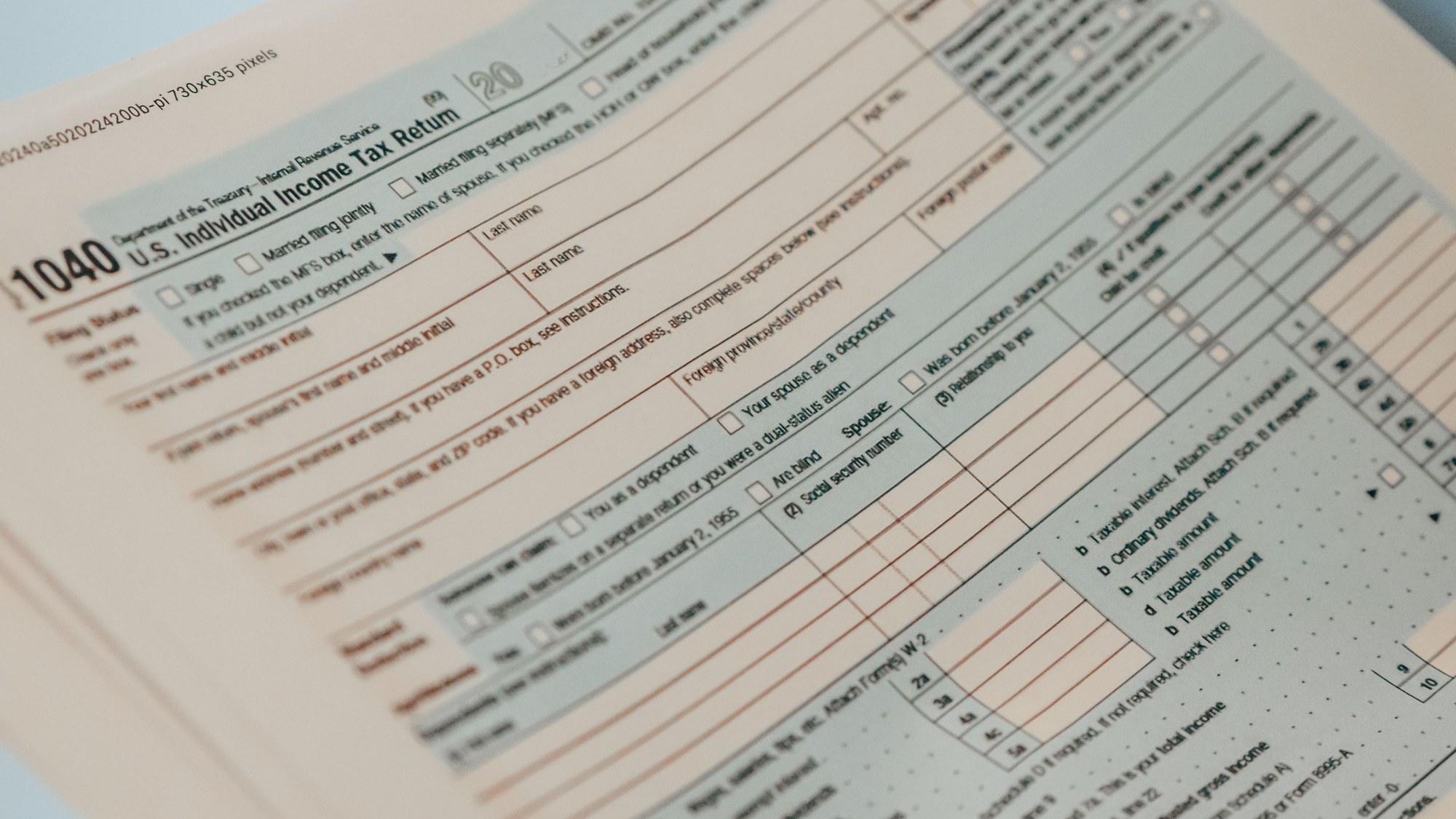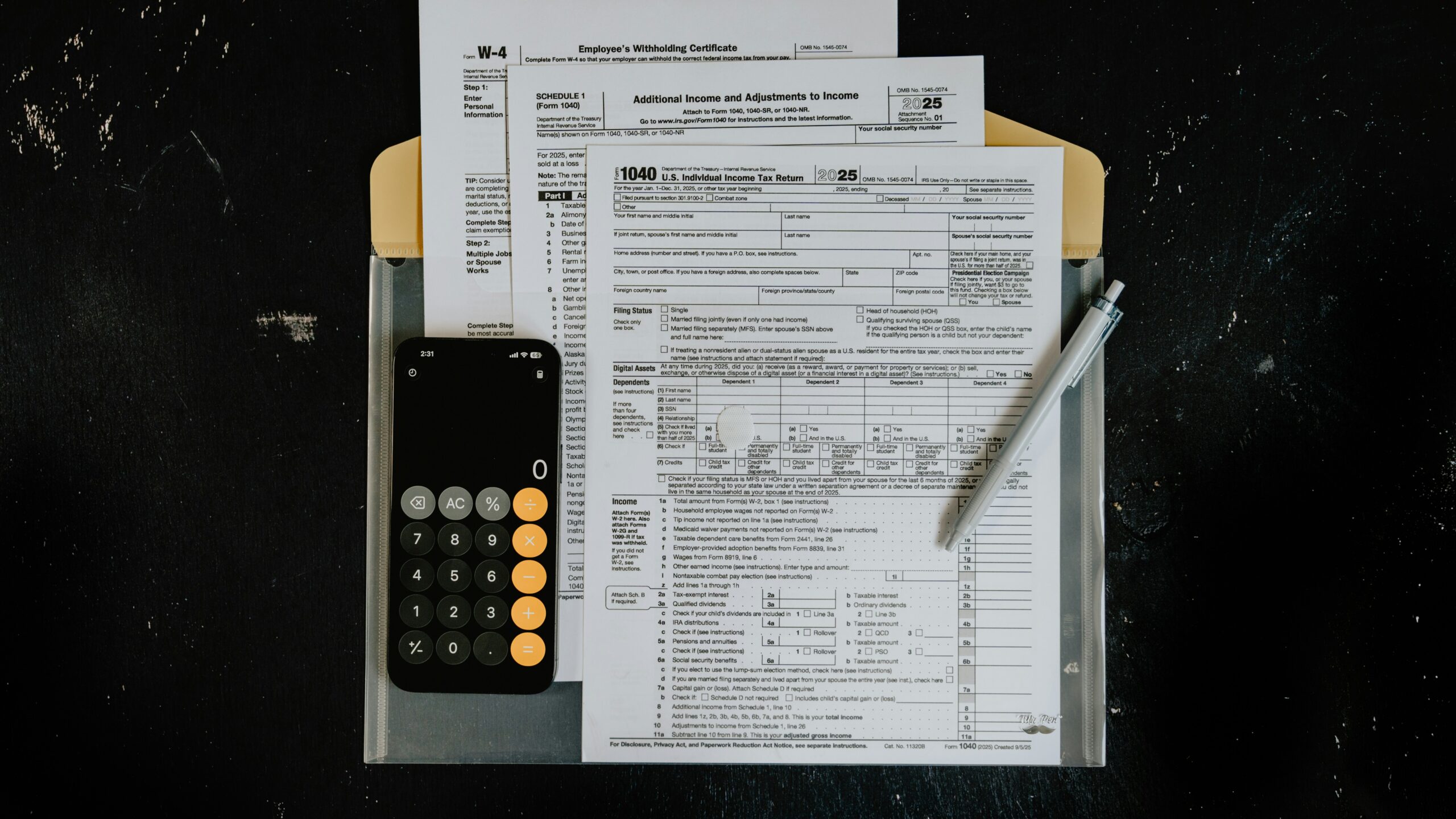
Millions of Americans who paid penalties or interest on federal tax returns filed during the pandemic may be owed refunds they don’t know about. The problem: the IRS has no plans to send the money on its own, and the deadline to claim it is July 10, 2026.
The Taxpayer Advocate Service, an independent watchdog within the IRS, issued a public warning in May 2026 that tens of millions of taxpayers could be eligible for significant refunds tied to pandemic-era filing postponements. That estimate has not been verified by the IRS, and the actual number could be significantly different, but the Taxpayer Advocate considers the issue serious enough to warrant a broad alert. Every eligible taxpayer must file a claim individually. Miss the July 10 cutoff, and the right to that money vanishes permanently under federal law.
Why these penalties may have been wrong in the first place
When COVID-19 disrupted the 2020 and 2021 tax seasons, the Treasury Department used its disaster-relief authority to push back filing deadlines. In plain terms, the government told taxpayers “you have more time to file,” using a legal provision (Internal Revenue Code Section 7508A) that allows deadline extensions during declared disasters. Notices like Notice 2020-23 and Notice 2021-21 gave taxpayers extra time to file, but they also created a legal problem: the rules governing how long you have to request a refund did not automatically adjust to match the new deadlines.
A U.S. Tax Court case, Kwong v. Commissioner (T.C. Memo. 2023-45), brought this mismatch into the open. The court found that Treasury’s postponement authority shifted certain statutory windows in ways the IRS had not fully accounted for. In practical terms, according to the Taxpayer Advocate’s analysis, many penalties and interest charges assessed on returns filed during those postponed periods were improperly calculated or should never have been charged at all.
The IRS partially addressed the issue in Revenue Ruling 2023-6, published in Internal Revenue Bulletin 2023-11. That ruling focused specifically on how the three-year refund lookback window works when a filing deadline was postponed rather than simply extended. Think of the lookback window as a countdown clock: you generally have three years from when you filed to ask for money back. The ruling clarified how that clock resets when the government moves a deadline. Importantly, the ruling covered only the 2019 and 2020 tax years and addressed only this lookback-period question, not all penalty types. Whether the same logic applies to later periods affected by other postponement notices remains unresolved.
Why the IRS is not fixing this on its own
The IRS has done broad, automatic penalty relief before. In 2022, the agency waived failure-to-file penalties on certain 2020 and 2021 returns and credited affected accounts directly, without requiring taxpayers to lift a finger. That is not happening this time.
As of June 2026, no IRS guidance indicates the agency plans to scan accounts and issue refunds for penalty and interest overpayments connected to the Kwong ruling. Every available document points in one direction: taxpayers must submit IRS Form 843, the standard form for requesting abatement or refund of penalties and interest, to trigger a review.
The IRS has also not disclosed how quickly it will process these claims or what approval rates filers should expect. Anyone who submits a form close to the deadline should be prepared for a potentially long wait.
Where the July 10, 2026 deadline comes from
This is not an arbitrary date. Federal law gives taxpayers a limited window to claim refunds. Specifically, you generally have three years from the date a return was filed (or two years from the date a tax was paid, whichever is later) to ask for money back. Because pandemic postponement notices pushed many filing deadlines to July 10, 2023, the three-year lookback window for those returns closes on July 10, 2026.
Once that window shuts, the IRS is generally barred from issuing a refund, even if the underlying penalty was clearly wrong. That is the core of the Taxpayer Advocate’s warning: the legal right to recover this money is time-limited, and the clock is running out.
What to do before the deadline
Start by checking whether you paid penalties or interest on any federal return affected by a COVID-era postponement. You can review your account by requesting a Record of Account Transcript from the IRS, available online through your IRS online account or by mailing Form 4506-T. Look for penalty and interest charges on returns for the 2019 through 2022 tax years.
If you find charges that appear connected to a postponed deadline, file Form 843 before July 10, 2026. On the form, identify the specific tax years involved and reference the relevant postponement notices (such as Notice 2020-23 or Notice 2021-21) and the Kwong v. Commissioner decision as the basis for your claim.
Penalty amounts vary widely depending on the type of penalty and the size of the tax liability. Failure-to-file penalties, for example, can reach up to 25% of the unpaid tax, meaning refunds could range from a few hundred dollars to several thousand for taxpayers with larger balances. The IRS does not publish aggregate data on the total dollar value at stake, so individual account review is the only way to know for sure.
If you are unsure of the exact refund amount, you can still protect your rights. IRS procedural rules allow taxpayers to file what is called a “protective claim.” In everyday terms, this is a placeholder filing: it does not require a specific dollar figure, but it tells the IRS you are raising a legal issue and preserves your right to pursue a full, documented claim later. You can find the relevant IRS procedures in the Internal Revenue Manual (Section 25.6.1). Filing a protective claim before the deadline keeps the door open even if you need more time to gather records.
One important note: Form 843 is a standalone IRS form. Consumer tax-preparation software like TurboTax or H&R Block does not generate it, because those programs are designed for filing annual returns, not for requesting penalty abatements after the fact. Some tax professionals using professional-grade software may be able to generate the form, but most individual filers will need to obtain it separately. The IRS provides Form 843 and its instructions as a free download on its website. For straightforward cases, you can complete and mail the form yourself. For more complex situations, a tax professional or a Low Income Taxpayer Clinic may be able to help at no cost.
Who should pay closest attention
The Taxpayer Advocate estimated that tens of millions of taxpayers could be affected, but that figure is unverified. The IRS has not confirmed it, has not published supporting data, and the actual number of eligible filers could be significantly different. Without official numbers, the true scale of potential refunds remains an open question.
That said, certain filers are more likely to benefit. Taxpayers who filed late during the pandemic years and were assessed failure-to-file or failure-to-pay penalties should review their accounts carefully. Small business owners and self-employed individuals who owed estimated tax penalties during postponed periods may also have claims worth pursuing. For high-dollar cases with clear links to disaster postponements, tax professionals recommend filing a fully documented Form 843 now rather than waiting.
What happens if the IRS denies your claim
If the IRS rejects a Form 843 request, you are not out of options. Taxpayers can request reconsideration through the IRS Appeals Office, which operates independently from the examination division. You can also contact the Taxpayer Advocate Service directly for assistance, particularly if you believe the denial was based on an error or if you are experiencing financial hardship. In some cases, taxpayers may have the right to take the matter to U.S. Tax Court or the Court of Federal Claims, though that step typically requires professional legal guidance.
The protective claim route is especially valuable here. Because it preserves your legal standing without requiring a precise dollar amount upfront, it gives you room to build a stronger case after the deadline passes, as long as the initial claim was filed on time.
Why acting before July 10 matters more than getting it perfect
For anyone who suspects they overpaid penalties during the pandemic years, the calculus is straightforward. Filing Form 843 or a protective claim costs nothing. The form is free, and mailing it requires only a stamp. The alternative is permanently losing the right to a refund that the Taxpayer Advocate believes is legally owed. Perfection is not required by July 10. Getting something on file is.