One of the most effective guards against a drained retirement account costs nothing and takes a few minutes to set up. A trusted contact is a person an investor names on a brokerage or advisory account whom the firm is allowed to call if something looks wrong. The role is often misunderstood as handing power to another person, when in fact it does the opposite: it creates a phone number the firm can dial while leaving every decision in the account owner’s hands.
What a trusted contact can and cannot do
A trusted contact has no authority over the account. The person cannot place trades, move money, or make investment decisions, and adding one changes nothing about who controls the assets. What the designation does is give the firm permission to reach out in narrow situations, as the Financial Industry Regulatory Authority explains in its guidance on naming a trusted contact person. The firm may contact that individual to ask about the investor’s health status, confirm current contact information, or identify a legal guardian, executor, or power of attorney if one exists.
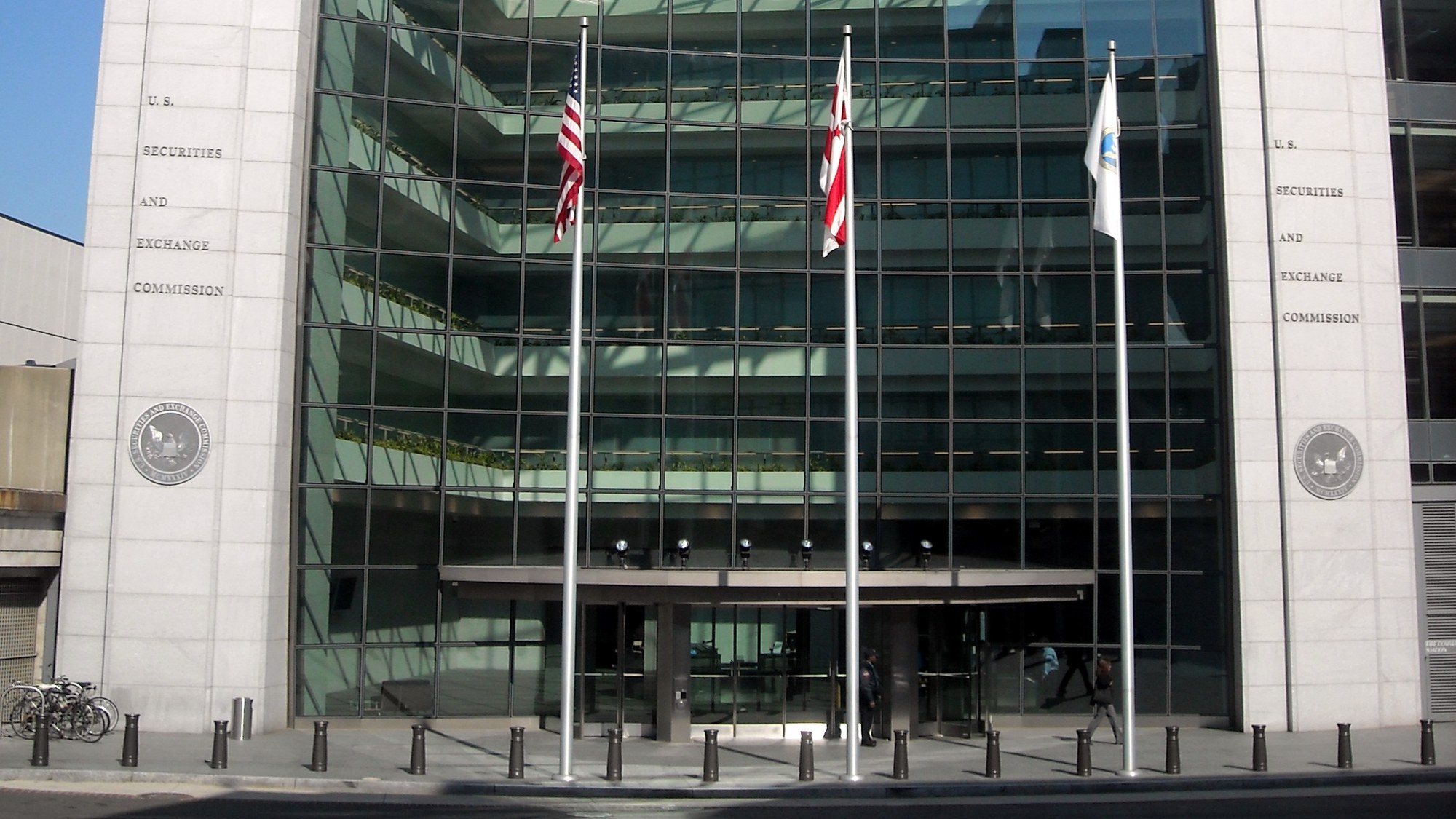
Crucially, the firm can reach a trusted contact when it suspects the account holder is being financially exploited. That is the scenario the tool was built for: a widow being talked into wiring her savings to a stranger, or an older man whose sudden large transfers do not fit his history. The Securities and Exchange Commission’s investor education office frames the trusted contact as a first line of defense in its explainer on adding a trusted contact to an account, precisely because it lets a firm raise an alarm before the money is gone.
Free retirement updates: Social Security and Medicare change every year, and nobody sends a memo. The free Retirement Shield newsletter breaks down what changed and what to do. Get it free in your inbox.
Why regulators pushed firms to ask for one
The trusted contact is not a marketing add-on; it grew out of a regulatory effort to slow elder financial exploitation. FINRA requires brokerage firms to make a reasonable effort to obtain the name and contact information of a trusted contact when they open or update an account, a duty set out in its recordkeeping rule for customer account information, Rule 4512. The obligation is on the firm to ask; the investor is free to decline, but naming someone is the point of the exercise.
That framework sits alongside a broader set of protections FINRA has built for older customers, described on its page devoted to senior investors. The trusted contact works best paired with those other safeguards, because it gives the firm a real person to reach the moment a transaction raises suspicion, rather than leaving staff to guess whether an unusual request reflects the customer’s true wishes.
The trusted contact also strengthens a second protection regulators built. A brokerage may place a temporary hold on a suspicious withdrawal from an older customer’s account under FINRA Rule 2165, and having a trusted contact already on file gives the firm someone to call the moment it does. A hold with no one to reach is a far weaker safeguard; paired with a named contact, it becomes a genuine chance to confirm whether an urgent transfer reflects the customer’s own wishes or a scammer’s script before the money is gone.
Choosing the right person and keeping it current
The value of a trusted contact depends entirely on who is named. The person should be someone the investor trusts completely, who is likely to notice if the account holder’s judgment slips, and who is not themselves a plausible source of pressure over the money. For that reason, some older adults deliberately name a person who is not a joint owner or a beneficiary, to keep the roles separate. An adult child in another state, a longtime friend, or a sibling can all serve.
A trusted contact designation also needs to stay current. A person named a decade ago may have moved, changed a phone number, or become estranged, and a firm that cannot reach the contact loses the entire benefit. Reviewing the designation when other account details change keeps the safeguard live rather than theoretical.
The value shows up in a common pattern. An older widower who begins moving thousands of dollars to a stranger he met online, convinced he is rescuing a romantic partner in trouble, may raise no alarm at a firm that has no one to notify. With an adult daughter named as the trusted contact, a single phone call can surface the truth before a retirement account is drained. Because victims of this kind of exploitation often lose a large share of their savings before anyone close to them notices, that one call can be the difference between a scare and a permanent loss.
A low-cost layer against a fast-moving scam
The reason the trusted contact matters so much for older households is speed. Investment and imposter scams often push a victim to move money quickly and to keep quiet about it, which is exactly the moment an outside phone call can break the spell. Because the trusted contact gives the firm someone to call without transferring any authority, it adds a check against fraud without adding a risk of its own. For an older investor weighing how to protect a lifetime of savings, few defenses offer that much protection for so little cost, and naming one is a step the firm is already required to invite.
This article was researched and drafted with the assistance of AI and reviewed by The Financial Wire editorial team.
More Financial Reading
- Bank statements: how long to keep them and when to toss them
- How many CDs can you park at 1 bank? FDIC rules you must know