Almost nobody plans to lose the ability to manage their own money, which is exactly why so many families are caught flat-footed when a parent has a stroke or slides into dementia. At that point the question of who can pay the bills or move funds is decided one of two ways: by a document the person signed while still healthy, or by a judge. The first costs a modest legal fee. The second can cost thousands, take months, and play out in open court, and the difference between them is a single piece of paperwork.
What a durable power of attorney does
A power of attorney is a legal document in which one person, the principal, names another, the agent, to act on their behalf in financial matters. The word that matters for planning is durable. A durable power of attorney stays in effect even after the principal becomes incapacitated, which is the precise moment the authority is needed. The Consumer Financial Protection Bureau, in its explanation of what a power of attorney is, describes how the agent can be authorized to handle tasks such as paying bills, managing bank accounts, and dealing with government benefits. Because the principal chooses the agent and defines the scope while still of sound mind, a durable power of attorney keeps the decision inside the family rather than handing it to a court, and it can be drawn up for a fraction of what a contested legal proceeding costs.
Free retirement updates: Plain-English updates on the changes, deadlines, and costly mistakes retirees miss, from the free Retirement Shield newsletter. Subscribe free.
What guardianship costs when there is no document
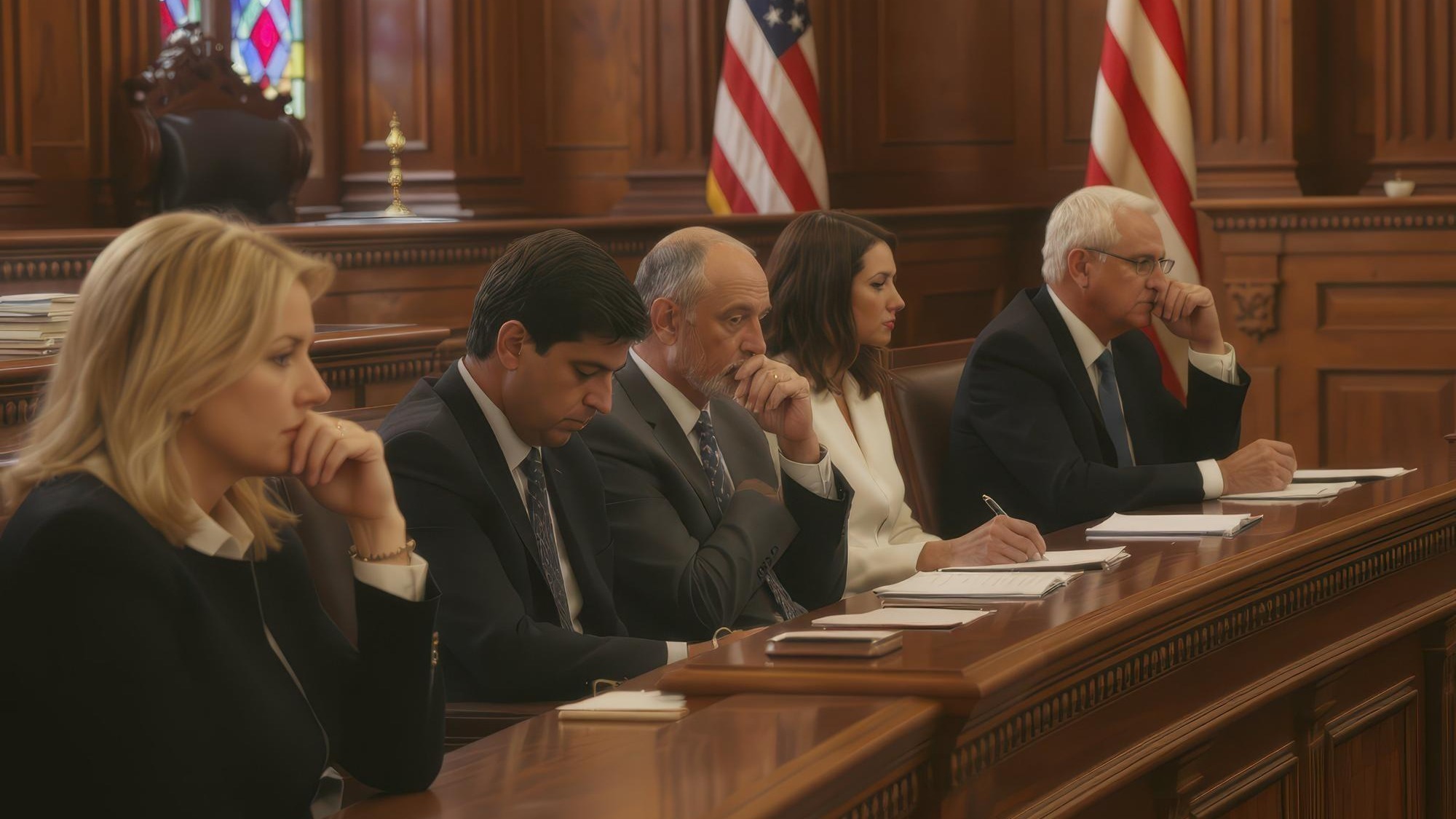
When someone loses capacity without a durable power of attorney in place, no relative automatically gains the right to manage the money, not even a spouse or an adult child. The family’s only route is to ask a court to appoint a guardian or conservator, and that route is slow, public, and expensive. The CFPB’s guide to guardianship describes it as a legal process in which a court removes a person’s right to make certain decisions and gives that authority to someone else. Getting there typically requires a petition, medical evidence, notice to interested parties, a hearing, and often lawyers on more than one side, followed by ongoing court supervision and annual accountings for as long as the arrangement lasts. Those recurring filings and legal fees pile up year after year, which is why guardianship is the costly default a durable power of attorney is designed to avoid.
Choosing an agent and setting the limits
The value of a durable power of attorney depends heavily on who is named and how much authority they are given, because the agent will be able to act with real financial control. The CFPB’s resource for people who serve as agents, managing someone else’s money, lays out the fiduciary duties involved: the agent must act in the principal’s interest, keep the principal’s money separate, keep careful records, and avoid self-dealing. That framing points to the practical decisions when drafting the document. The principal can name a trusted person and a backup, spell out exactly which powers are granted, and decide whether the authority takes effect immediately or only upon a doctor’s finding of incapacity. Getting those choices right, and picking an agent whose honesty is beyond question, is what keeps the tool from becoming its own avenue for abuse.
Doing it while it still counts
The one thing a durable power of attorney cannot do is get signed after the fact. To be valid, it must be executed while the principal still has the mental capacity to understand and agree to it, which means the window closes the moment cognition begins to fail. That timing is the whole argument for acting early rather than waiting for a health scare. The document is usually paired with an advance directive or health care proxy, which covers medical decisions the financial power of attorney does not, so the two together handle both money and care. State laws differ on the exact wording and witnessing or notarization required, so a form that is valid in one state is not automatically valid in another, and a document drawn up years ago may need review after a move. The families who avoid guardianship are the ones who treated the paperwork as routine long before anyone thought it would be needed, and the ones who end up in court are almost always the ones who assumed there was more time.
This article was researched and drafted with the assistance of AI and reviewed by The Financial Wire editorial team.
More Financial Reading
- What really happens to your joint savings account when you die?
- Bank statements: how long to keep them and when to toss them