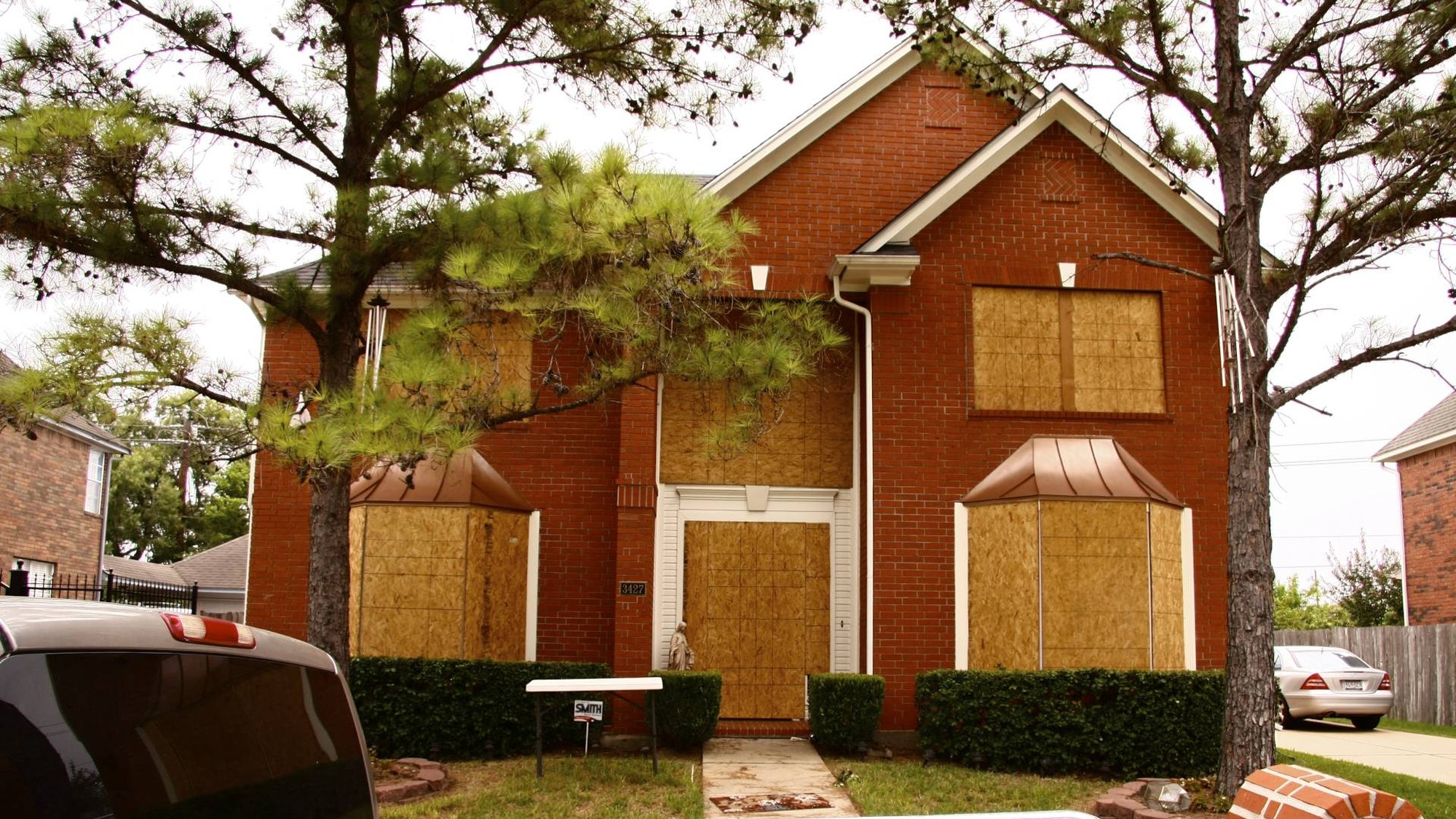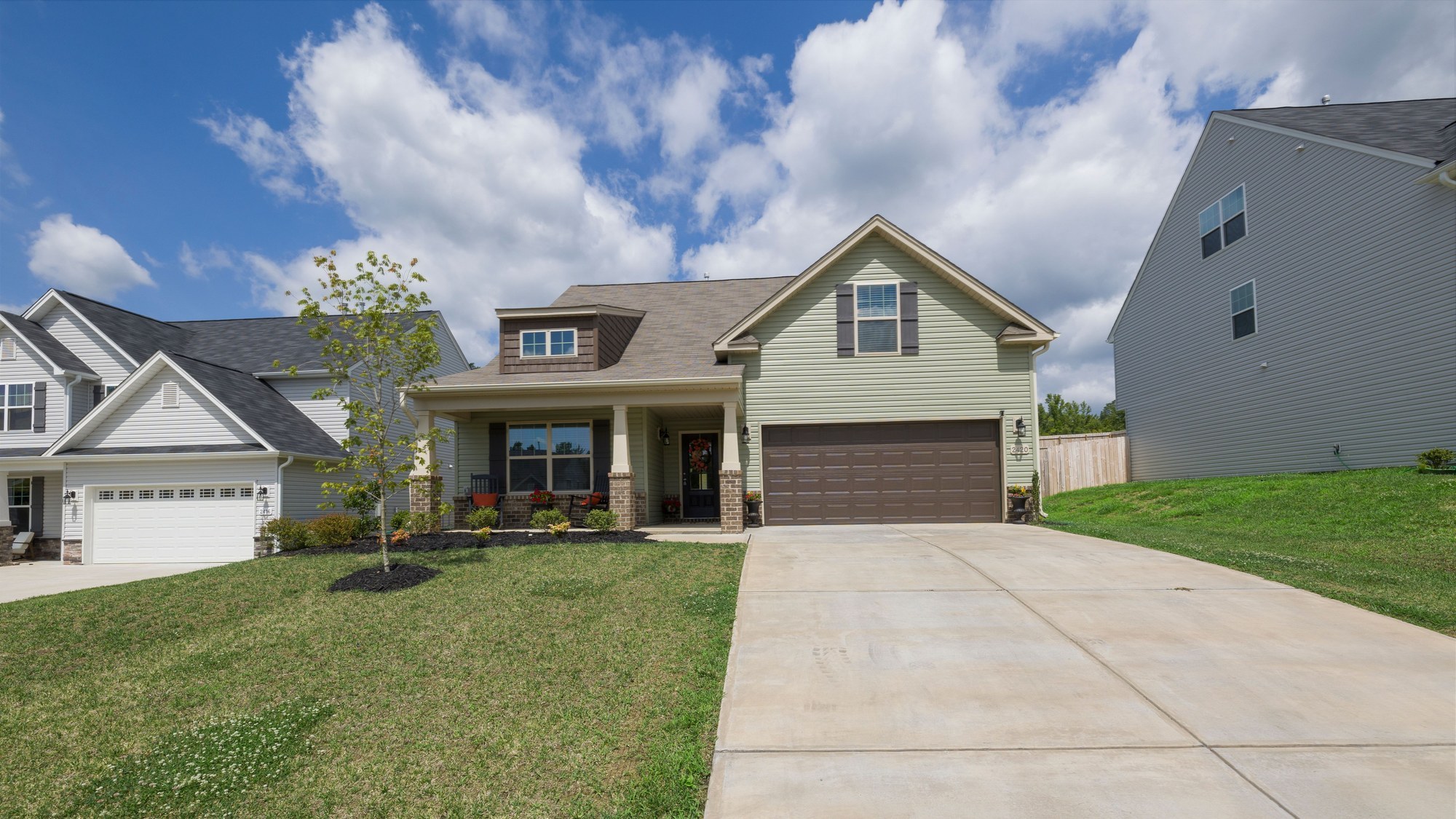
The roof over Pew Research Center’s latest housing survey is, fittingly, one many Americans can barely afford to insure. In a nationally representative poll conducted in March 2026, 71% of U.S. homeowners said their home insurance costs had risen, and 57% reported making at least one financial sacrifice to keep their policies in force. The cutbacks ranged from canceled family vacations to postponed home repairs, the kind of deferred spending that can quietly compound into bigger problems down the road.
The findings land at a moment when consecutive record-setting disaster seasons, a shrinking pool of willing insurers, and stubbornly high rebuilding costs have turned homeowners insurance from a background expense into a line item that reshapes household budgets.
“We were already stretched before the premium notice showed up,” said one Midwestern homeowner who participated in the Pew survey and asked to be identified only by her first name, Karen. “When I saw the increase, I had to choose between fixing the gutters and taking the kids to visit their grandparents. The gutters lost.” Her experience mirrors a pattern that ran through the data: families forced into tradeoffs between maintaining their homes and maintaining their quality of life.
The numbers behind the squeeze
Pew fielded its survey March 16 through 22 using the American Trends Panel, a probability-based online panel designed to be representative of the U.S. adult population. Among homeowners who said costs had risen, 42% described the increase as “a lot” and 29% called it “a little.” The 57% who reported financial sacrifices cited a range of tradeoffs, with skipped vacations and delayed maintenance topping the list.
The strain was not confined to one income bracket or one corner of the country. Lower-income homeowners felt it most sharply, but middle- and upper-income households reported sacrifices too. Pew’s methodology uses Bureau of Economic Analysis Regional Price Parities to sort respondents into income tiers, adjusting for cost-of-living differences across metro and non-metro areas. Even after that adjustment, the pressure showed up broadly.
Why premiums keep climbing
Start with the disasters. The National Centers for Environmental Information’s billion-dollar disaster tracker logged 27 separate billion-dollar weather and climate events in the United States in 2024, continuing a decade-long acceleration. Hurricanes, wildfires, and severe convective storms have driven record insurer payouts, and those losses get recouped through higher premiums, steeper deductibles, or tighter underwriting rules. Because policyholders share risk pools at the state or regional level, rate hikes often reach homeowners who live hundreds of miles from the nearest disaster zone.
Then add rebuilding costs. Persistent construction labor shortages and elevated materials prices mean replacing a damaged roof or reconstructing a home costs significantly more than it did five years ago. Insurers bake replacement cost into every policy, so even homeowners who have never filed a claim can see premiums climb simply because the estimated price tag to rebuild their property has gone up.
Incomes, meanwhile, have not kept pace. The U.S. Census Bureau’s American Community Survey pegs median household income at roughly $80,610 in 2023, the most recent single-year estimate available as of June 2026. Adjusted for inflation, that figure has barely moved in several years. For homeowners already stretched by mortgage payments, property taxes, and utilities, even a $300 or $500 annual premium increase can force hard choices.
The hidden cost of skipping repairs
Of all the sacrifices homeowners reported, deferred maintenance may carry the steepest long-term price. A postponed roof patch becomes a leak. A leak becomes mold. Mold becomes a five-figure remediation bill or a hit to resale value. Worse, skipping routine upkeep can void certain insurance coverage or give an insurer grounds to deny a future claim, trapping the homeowner in a cycle of paying more for less protection.
The Pew survey does not measure how long repairs have been put off or how large the backlog has grown. But housing researchers have long warned that deferred maintenance compounds over time, and the combination of rising insurance costs and flat wages creates exactly the conditions under which it tends to accelerate.
What the survey does not capture
A few important caveats. The 71% figure reflects self-reported perception, not verified billing records. Homeowners who pay premiums through a mortgage escrow account may not clearly distinguish an insurance increase from a property tax adjustment, since both show up as a higher monthly payment. Pew also does not report specific dollar amounts, so the line between “a lot” and “a little” is subjective.
The 57% sacrifice figure groups together a wide spectrum of cutbacks: a family that skipped one weekend trip and a family that put off replacing a furnace for two winters count the same way. And some homeowners whose premiums stayed flat may still face greater financial exposure because their insurer raised deductibles, narrowed covered perils, or capped replacement costs. Those households do not show up in the 71% figure, even though their risk after a storm has grown.
What homeowners can do right now
None of this means homeowners are powerless. Insurance experts and state regulators consistently point to several steps that can blunt premium shock:
- Shop around every year. Rates vary widely among carriers for the same property. Collecting at least three quotes each renewal cycle remains one of the most effective ways to find savings.
- Bundle policies. Combining home and auto coverage with a single insurer often unlocks a multi-policy discount.
- Raise your deductible, but only with a cushion. Moving from a $1,000 to a $2,500 deductible can lower premiums meaningfully, provided you have enough in savings to cover the higher out-of-pocket cost after a claim.
- Harden your home. Impact-resistant roofing, storm shutters, and updated electrical and plumbing systems can qualify for premium discounts in many states and reduce the odds of a costly claim.
- Ask about state programs. Homeowners in high-risk areas who cannot find affordable private coverage may qualify for a state-backed FAIR plan or wind pool. These are last-resort options with limited coverage, but they can keep a policy active when private carriers pull back.
- Audit your coverage limits. Make sure your policy reflects your home’s current replacement cost, not an inflated or outdated estimate. Over-insuring is a common and unnecessary expense.
Why the affordability gap is likely to keep widening through 2026
Nothing in the current landscape suggests relief is coming soon. Climate-driven disaster losses show no sign of declining. Reinsurance costs remain elevated. Several major insurers have scaled back or exited high-risk state markets in recent years, thinning competition and giving remaining carriers more pricing power. In states such as Florida, California, Louisiana, and Texas, where disaster exposure is highest, regulators have been under pressure to allow further rate adjustments, and homeowners in those markets are widely expected to absorb some of the sharpest premium increases.
At the federal level, lawmakers have floated proposals ranging from expanded disaster mitigation grants to a federal reinsurance backstop, but as of mid-2026, no major legislation has been enacted. The burden, for now, sits with individual households.
The Pew numbers should be read as strong signals of widespread financial strain, not as precise accounting of dollars lost. But the direction is unmistakable: homeowners are paying more to protect their properties, absorbing the cost by cutting elsewhere, and in many cases deferring the very maintenance that keeps those properties safe. Left unchecked, that cycle has consequences that reach well beyond any single premium notice, touching home values, neighborhood stability, and the broader housing market that depends on both.