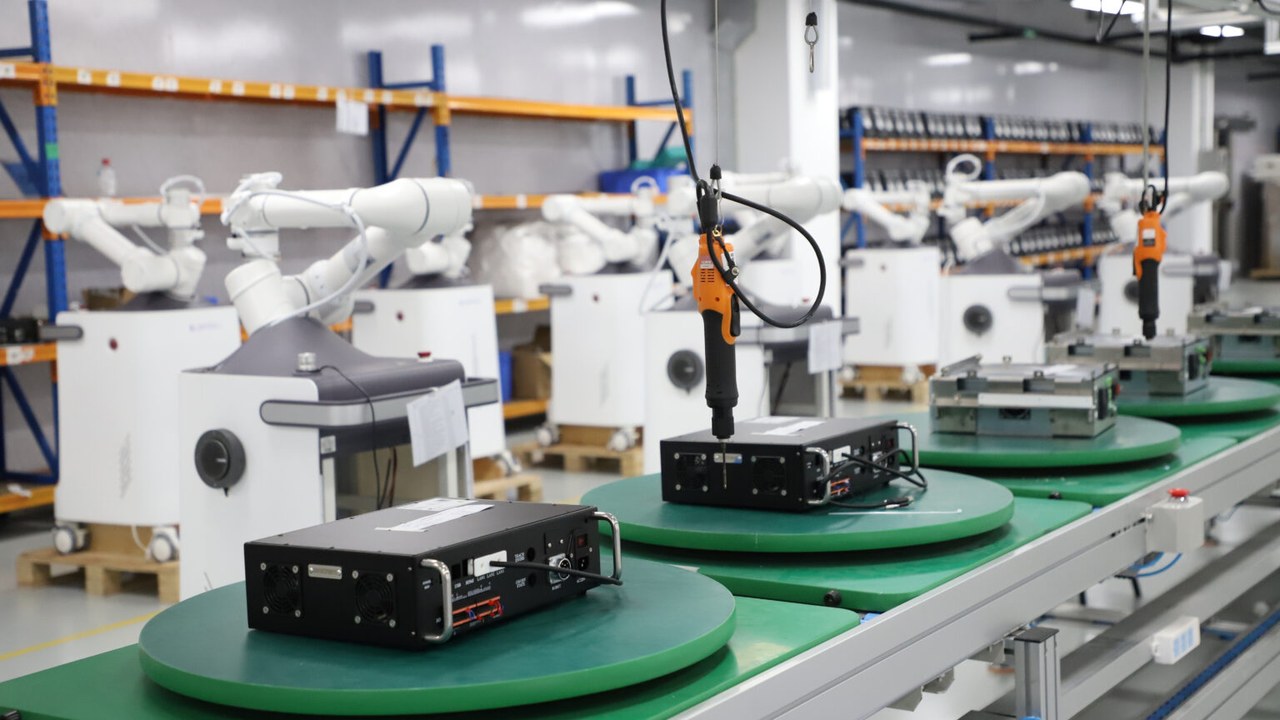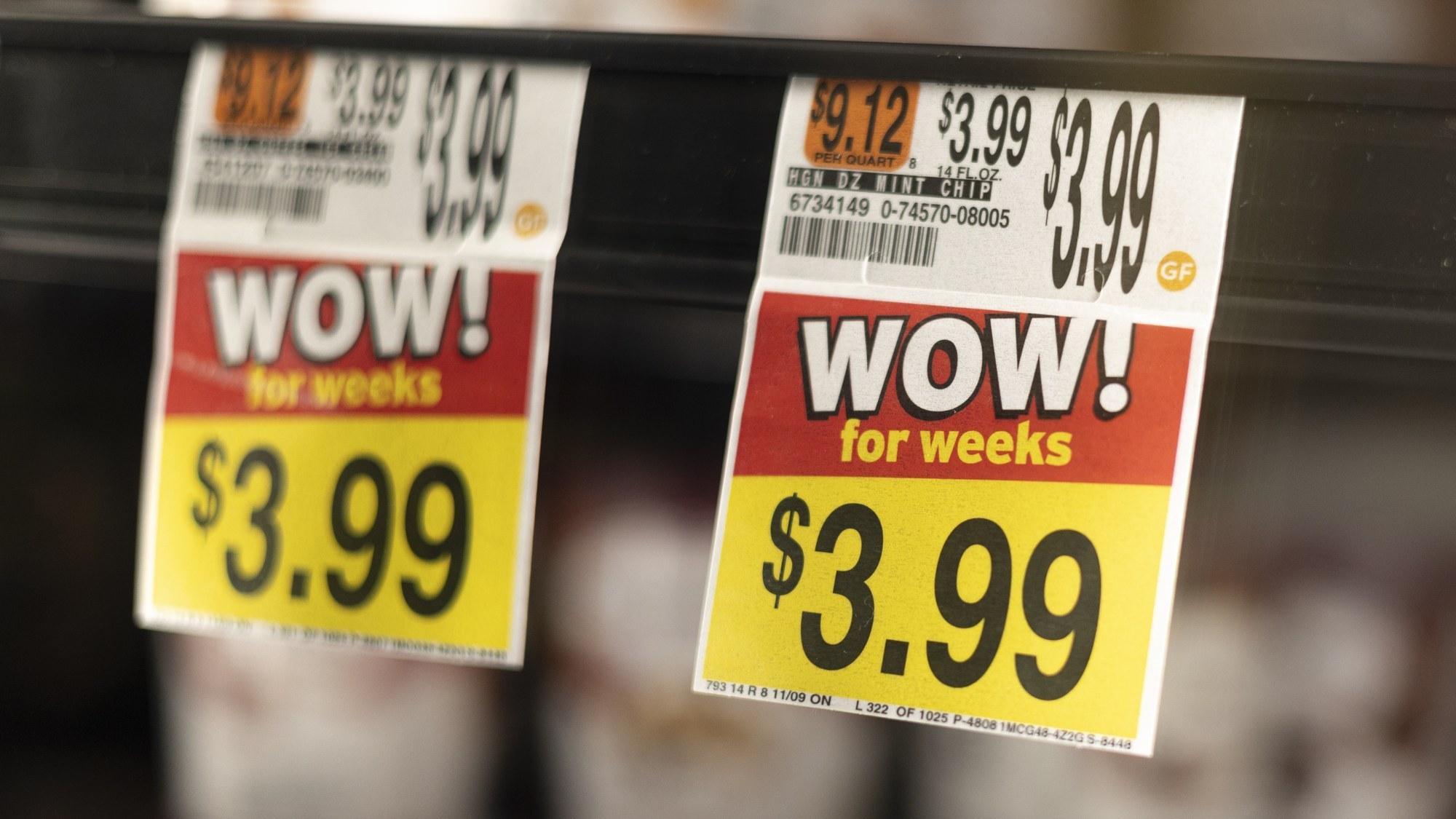
A small appliance company in Ohio pays 25% more for the Chinese-made motors inside its bestselling product line than it did in 2017. A Texas auto-parts distributor has rerouted half its sourcing to Vietnam and Mexico, spending millions on new supplier relationships. A family in suburban Atlanta is paying noticeably more for washing machines, power tools, and laptops. None of them set trade policy, but all of them are absorbing its costs.
Since early 2025, American importers have faced the steepest tariff rates in more than a century. Duties that began in 2018 on Chinese steel, electronics, and industrial components have been expanded repeatedly under President Trump’s second term. As of early April 2025, the trade-weighted average U.S. tariff rate had risen above an estimated 20% for the first time since the 1930s, according to the Yale Budget Lab. (That figure has fluctuated since then as exclusions, pauses, and new rounds of duties have been announced.) Federal revenue records and peer-reviewed economic research converge on the same finding: the tariffs are paid by U.S. importers, and those costs flow downstream to domestic businesses and the people who buy from them.
“The tariffs were almost completely passed through into U.S. domestic prices,” wrote economists Mary Amiti, Stephen Redding, and David Weinstein in a widely cited National Bureau of Economic Research working paper analyzing the initial 2018 trade actions. That conclusion has held up across subsequent rounds of duties and has been reinforced by researchers at the Federal Reserve, the Peterson Institute for International Economics, and the U.S. International Trade Commission.
How the costs have stacked up
Every tariff dollar collected by the federal government starts with an American company writing a check. Customs duties are recorded in the Monthly Treasury Statement, an official receipts dataset maintained by the U.S. Treasury. The duties are paid by importers of record, not by foreign exporters, which means the initial hit lands on domestic firms bringing goods across the border. Those firms then face a choice: absorb the added expense or pass it to customers through higher shelf prices, thinner product selections, or reduced services.
Most have passed it along. A peer-reviewed study published in The Quarterly Journal of Economics by economists Pablo Fajgelbaum, Pinelopi Goldberg, Patrick Kennedy, and Amit Khandelwal found that the 2018 tariff increases and foreign retaliation together produced net economic losses for the United States. The burden was uneven: communities tied to agricultural and manufacturing exports bore a disproportionate share of the pain from retaliatory tariffs imposed by trading partners, while some import-competing industries, particularly steel and aluminum producers, saw temporary gains in output and employment.
The U.S. International Trade Commission, in its 2023 Publication 5405, confirmed that Section 232 and Section 301 tariffs reduced imports and pushed up prices across many industries, even as they boosted domestic production in targeted sectors. That report remains one of the most direct government assessments of how the duties reshaped trade flows and pricing; as of May 2026, no updated comprehensive USITC assessment covering the 2025 escalation has been published, though one may be forthcoming as new trade data accumulate.
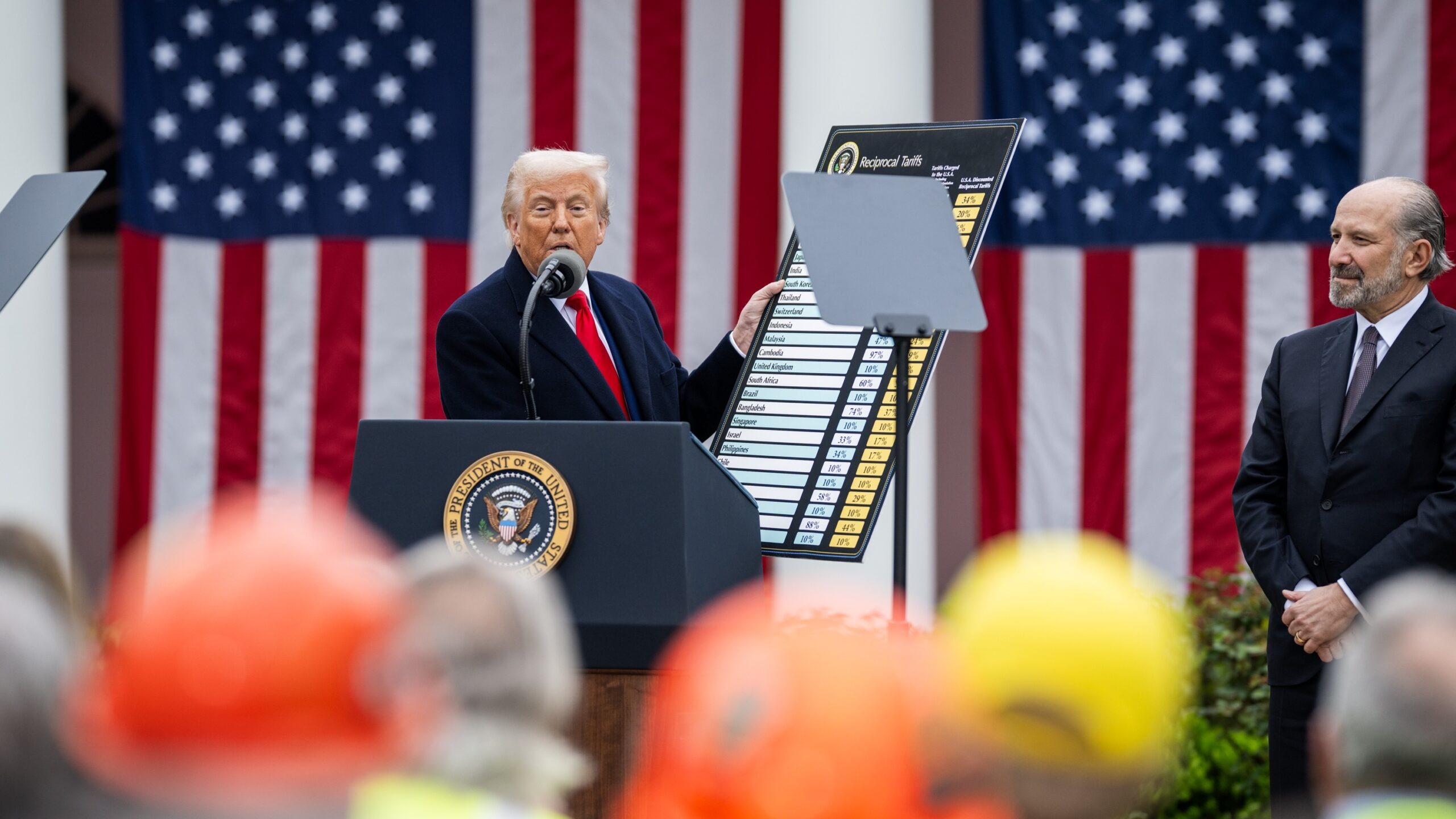
The scale has grown considerably since those early rounds. In April 2025, the White House announced sweeping new tariffs on goods from dozens of countries, briefly pushing the effective rate on Chinese imports above 145% before a partial 90-day pause was announced. The Tax Foundation estimated that the combined tariff burden could reduce long-run U.S. GDP by more than 1% and cost the average household roughly $2,100 per year in higher prices. That figure uses a long-run modeling approach. The Yale Budget Lab, using a shorter-run framework that accounts for immediate price pass-through, put the estimate higher: $3,800 or more per household, depending on how quickly businesses adjust sourcing and pricing. The two numbers are not contradictory; they measure different time horizons and assumptions about how the economy adapts.
Which products and industries are hit hardest
The original tariffs targeted specific product categories identified through Harmonized Tariff Schedule subheadings. The Office of the United States Trade Representative published a Section 301 product list explaining that the duties were designed to respond to China’s practices related to technology transfer and intellectual property. The first tranche, known as List 1, covered $34 billion in trade and included an exclusion process that allowed some companies to apply for relief. Later lists expanded coverage to machinery, intermediate inputs, and certain consumer goods, pulling a wider range of firms into the tariff net.
Under the 2025 escalation, the product scope widened again. Tariffs now touch categories from auto parts and semiconductors to clothing and household appliances. The result is a layering effect that compounds costs at each stage of production. A manufacturer that uses imported steel as an input, for example, faces higher costs with no corresponding benefit from the protection afforded to domestic steelmakers. That tension between upstream protection and downstream cost pressure runs through nearly every sector of the economy and has become one of the central complaints from trade groups representing retailers, automakers, and technology firms.
What remains uncertain
As of May 2026, several important questions lack definitive answers. The USITC confirmed that domestic production rose in many affected industries, but the degree to which that new output offset the higher costs paid by downstream manufacturers and consumers is not fully settled. The net calculation depends on which sectors and households are counted, and on how quickly businesses can reroute supply chains or find domestic substitutes for imported inputs.
Firm-level data on how tariff costs have been absorbed since 2020 is limited. The NBER and Quarterly Journal of Economics studies analyzed the initial 2018 shock in detail, but updated peer-reviewed research capturing the effects of the 2025 escalation, subsequent exclusions, and shifts in global sourcing is still emerging. Overlapping disruptions, including the pandemic, shipping bottlenecks, and volatile commodity prices, make it harder to isolate the tariffs’ ongoing impact from other forces shaping import costs and consumer inflation.
The interaction with broader inflation is another complication. The Federal Reserve spent much of 2022 and 2023 raising interest rates to tame price increases driven by pandemic-era supply shocks and fiscal stimulus. Tariffs add a separate, policy-driven layer of upward pressure on goods prices. Economists at the Fed have noted that tariffs function like a tax on imports, and while they produce a one-time price-level shift rather than sustained inflation, repeated rounds of new duties can extend that effect.
Reshoring is perhaps the most closely watched unknown. Some companies have moved assembly or component sourcing out of China to Vietnam, India, Mexico, or new U.S. facilities. Whether those moves represent a permanent strategic shift or a temporary workaround depends on factors that are still playing out. Capital-intensive projects, once built, tend to lock in new production patterns. But firms may revert to prior suppliers if tariffs are reduced or removed, and some of the “reshoring” has simply redirected trade through third countries without meaningfully changing where value is added.
Distributional effects within the United States are only partially mapped. Early studies documented that regions reliant on export-oriented agriculture were hit hard by foreign retaliation, while areas hosting protected industries saw relative gains. Over time, however, households across the income spectrum have faced higher prices on goods that incorporate imported parts, from appliances and tools to electronics. Lower-income households, which spend a larger share of their budgets on goods rather than services, tend to bear a heavier proportional burden, according to the Yale Budget Lab’s distributional analysis.
Whether the costs have bought what they were meant to buy
The tariffs’ stated goals, pressuring China on technology transfer, intellectual property theft, and market access, are inherently difficult to measure. Beijing has made some concessions on purchasing commitments and limited market-access provisions, but independent assessments from the Peterson Institute for International Economics and the Congressional Research Service have found limited evidence of structural changes in Chinese industrial policy. China’s state-led subsidies for advanced manufacturing, a core grievance behind the Section 301 investigation, remain largely intact.
What is not in dispute is the price tag. Customs duty collections have surged, businesses have reorganized supply chains at significant expense, and consumer prices on tariffed goods have climbed. As additional rounds of duties take effect and new trade data accumulate through 2026, the full scope of the tariff era’s costs and tradeoffs will come into sharper focus. The evidence available so far, drawn from federal revenue data, peer-reviewed research, and government investigations, points consistently in one direction: American importers, and ultimately American buyers, are the ones paying.