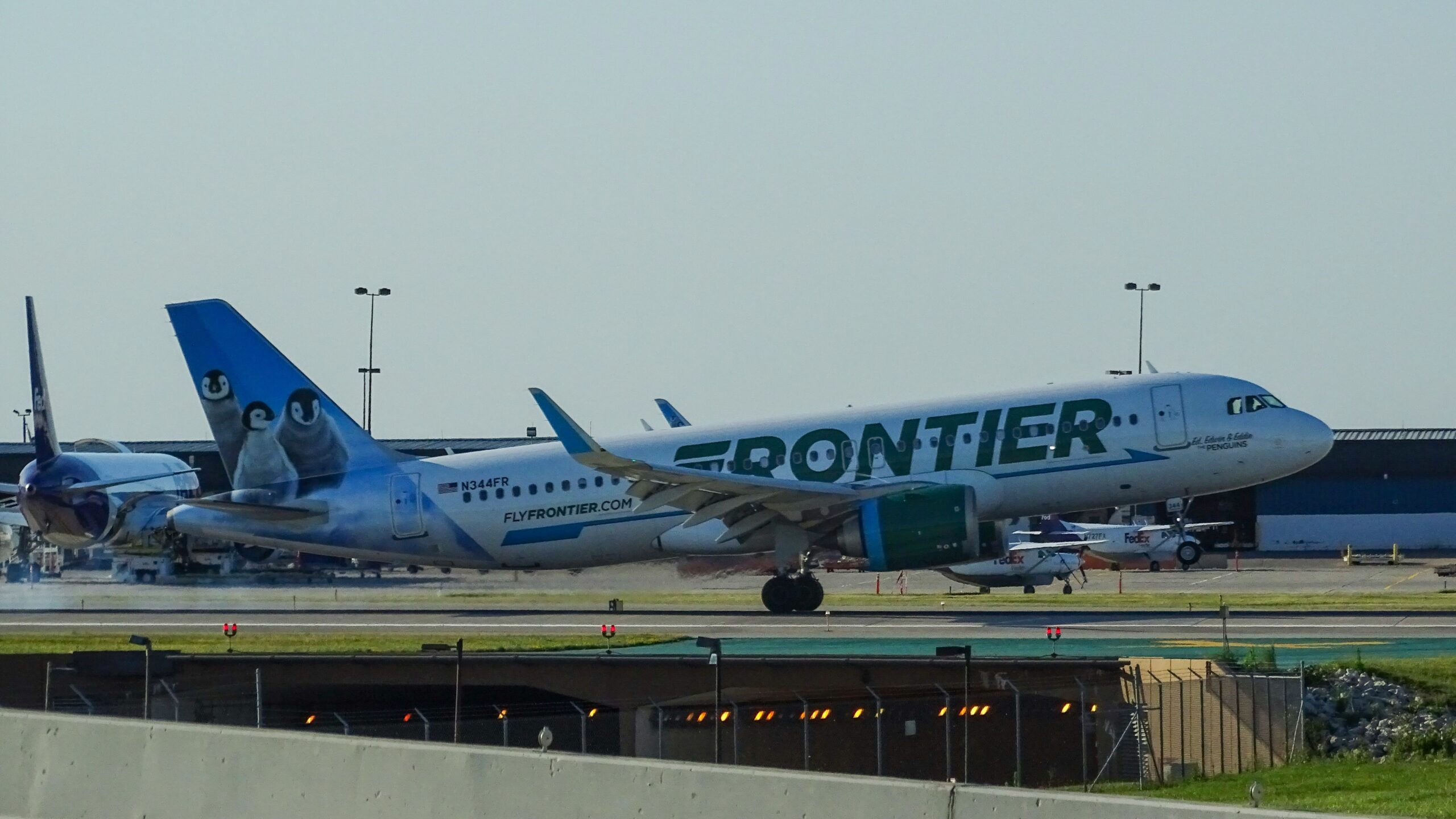
Frontier Airlines and Avelo Airlines are pressing Congress to temporarily suspend two federal ticket taxes, arguing the move would save low-cost carriers roughly $2.5 billion and cover about one-third of the added jet fuel costs that have eaten into their finances over the past year.
The carriers sent their request to congressional leaders through a joint trade coalition. It targets the 7.5% federal excise tax on domestic tickets and the $4.50 per-segment passenger fee charged on each leg of a domestic flight. Together, those levies generate the bulk of revenue for the Airport and Airway Trust Fund, the federal account that bankrolls air traffic control, airport construction, and FAA operations. The fund takes in roughly $17 billion a year, according to FAA budget documents, meaning even a short suspension would open a significant hole.
Why low-cost carriers are feeling the squeeze
Jet fuel is typically an airline’s largest or second-largest operating expense, and prices have climbed sharply since mid-2025. The U.S. Gulf Coast kerosene-type jet fuel spot price, the domestic benchmark tracked by the Energy Information Administration, averaged roughly $2.70 per gallon in April 2026, up more than 20 percent from the same month a year earlier. Ultra-low-cost carriers like Frontier and Avelo absorb those increases more acutely than bigger rivals because their razor-thin margins leave almost no room to raise fares without losing bookings.
“Fuel is the single biggest line item we cannot hedge away at our scale,” a Frontier spokesperson said in an April 2026 statement accompanying the coalition’s letter to lawmakers. Avelo has not released a public statement of its own but is listed as a co-signatory on the filing.
Frontier, which is publicly traded, has flagged rising fuel expenses in recent quarterly earnings. Avelo, a privately held carrier that launched in 2021 and flies a fleet of roughly 20 Boeing 737s, reports financial data to the Bureau of Transportation Statistics under the federal Form 41 system. Both airlines have pointed to fuel as the primary driver of their recent financial pressure.
The broader budget-carrier segment has been under strain for more than a year. Spirit Airlines filed for Chapter 11 bankruptcy protection in November 2024, and JetBlue has wrestled with persistent losses and route cuts as it restructures its network. Several other low-fare operators have trimmed frequencies on routes where fuel costs make service unprofitable.
Major carriers such as Delta and United, which benefit from larger scale, more diversified revenue streams, and active fuel-hedging programs, have not joined the tax-relief push and have not publicly weighed in on the proposal. Their silence suggests the current cost environment may be hurting smaller competitors far more than their own operations.
What the coalition is asking for
The coalition’s letter frames the tax suspension as a temporary measure, not a permanent repeal. Waiving the excise tax and per-segment fee would offset approximately one-third of the incremental fuel costs its member airlines have absorbed, according to the filing. The $2.5 billion figure represents the group’s estimate of total savings across its members over the proposed relief period, though it has not disclosed the underlying methodology or the exact duration it envisions.
The coalition has been referred to in some earlier reporting as the “Air Carrier Access Coalition,” but that name does not appear in standard federal lobbying databases. It may operate under a different formal registration or function as an informal alliance rather than a registered lobbying entity. Its exact legal status and full membership roster have not been independently confirmed beyond Frontier and Avelo.
The ask is politically tricky. Suspending those levies, even briefly, would drain the Airport and Airway Trust Fund and force Congress either to backfill the gap with general appropriations or to accept a short-term deficit in the account. Deficit-conscious lawmakers in both parties have historically resisted measures that siphon dedicated trust funds without a clear replacement revenue stream.
There is a narrow precedent. During a two-week FAA funding lapse in July 2011, the agency lost its authority to collect ticket taxes, costing the Trust Fund an estimated $400 million. Airlines at the time largely pocketed the windfall by raising base fares rather than passing savings to travelers, a detail that critics of the current proposal are likely to revisit.
As of early May 2026, no member of Congress has publicly endorsed the request, and no committee hearing or draft bill tied to it has appeared in the congressional record.
Who would oversee a policy response
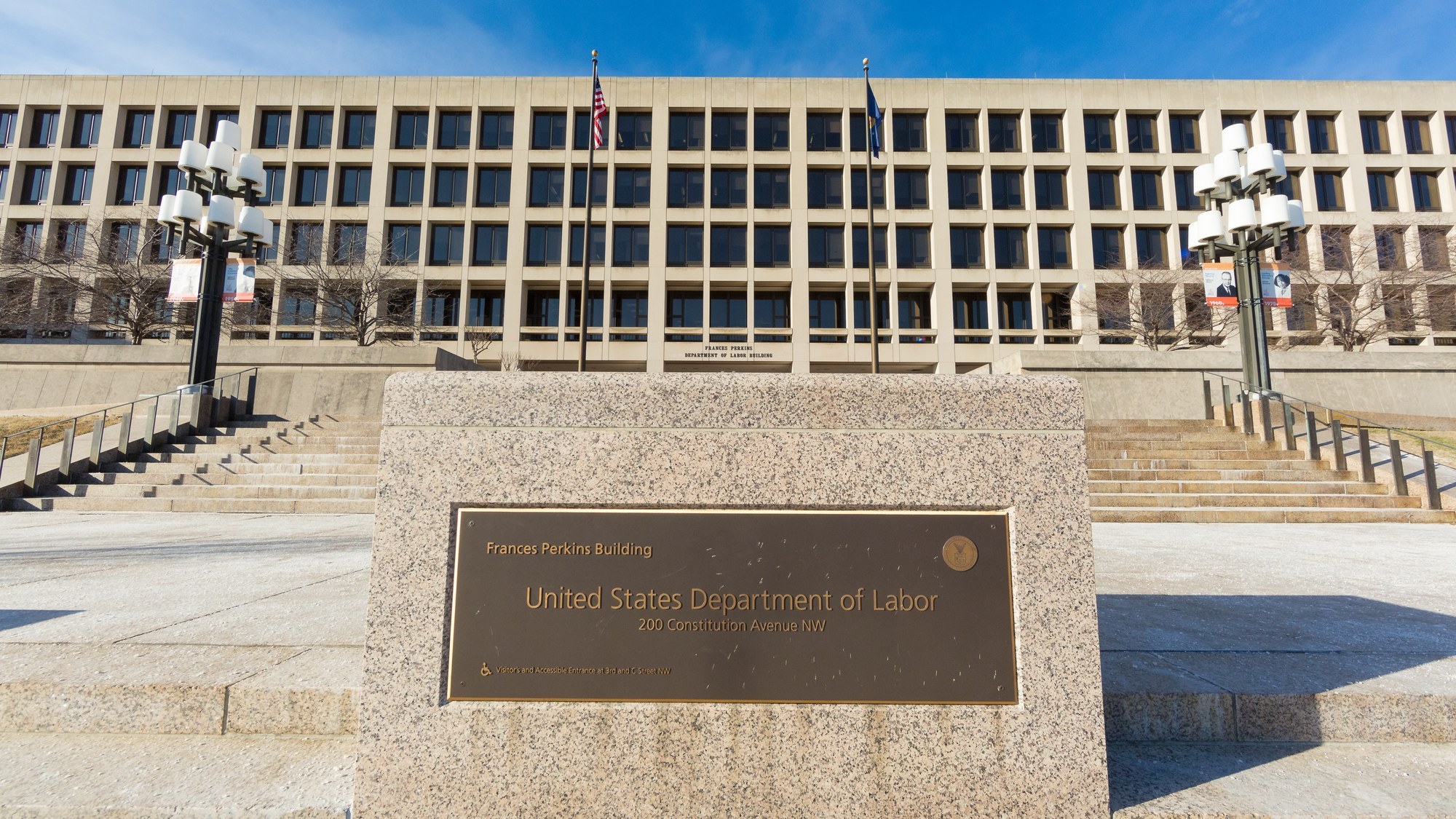
Any legislative action on aviation tax policy would need coordination with Transportation Secretary Sean P. Duffy and FAA Administrator Bryan Bedford, both confirmed earlier this year. The two officials recently unveiled a reorganized FAA structure at a Department of Transportation briefing, but neither has publicly addressed the tax-relief request. If Congress were to pass a suspension, implementation and regulatory guidance would flow through their offices.
How the 2011 FAA lapse previews the fare debate
If a suspension were enacted, the immediate question for passengers is whether airlines would lower fares or use the relief to shore up their own balance sheets. On a $200 round-trip ticket with two segments, the combined excise tax and segment fees total roughly $24. Carriers under financial stress might retain some or all of that savings rather than cut prices, echoing what happened during the 2011 FAA lapse and during state-level gas-tax holidays in 2022.
For now, the proposal remains an early-stage lobbying effort with no bill number and no scheduled hearing. Frontier and Avelo have put a specific dollar figure and a concrete policy mechanism on the table, but the distance between a trade-group letter and enacted legislation is vast. The request is best read as a measure of how deeply fuel costs are straining the low-cost airline model, and as a signal that budget carriers may need more than internal cost-cutting to survive the current cycle.