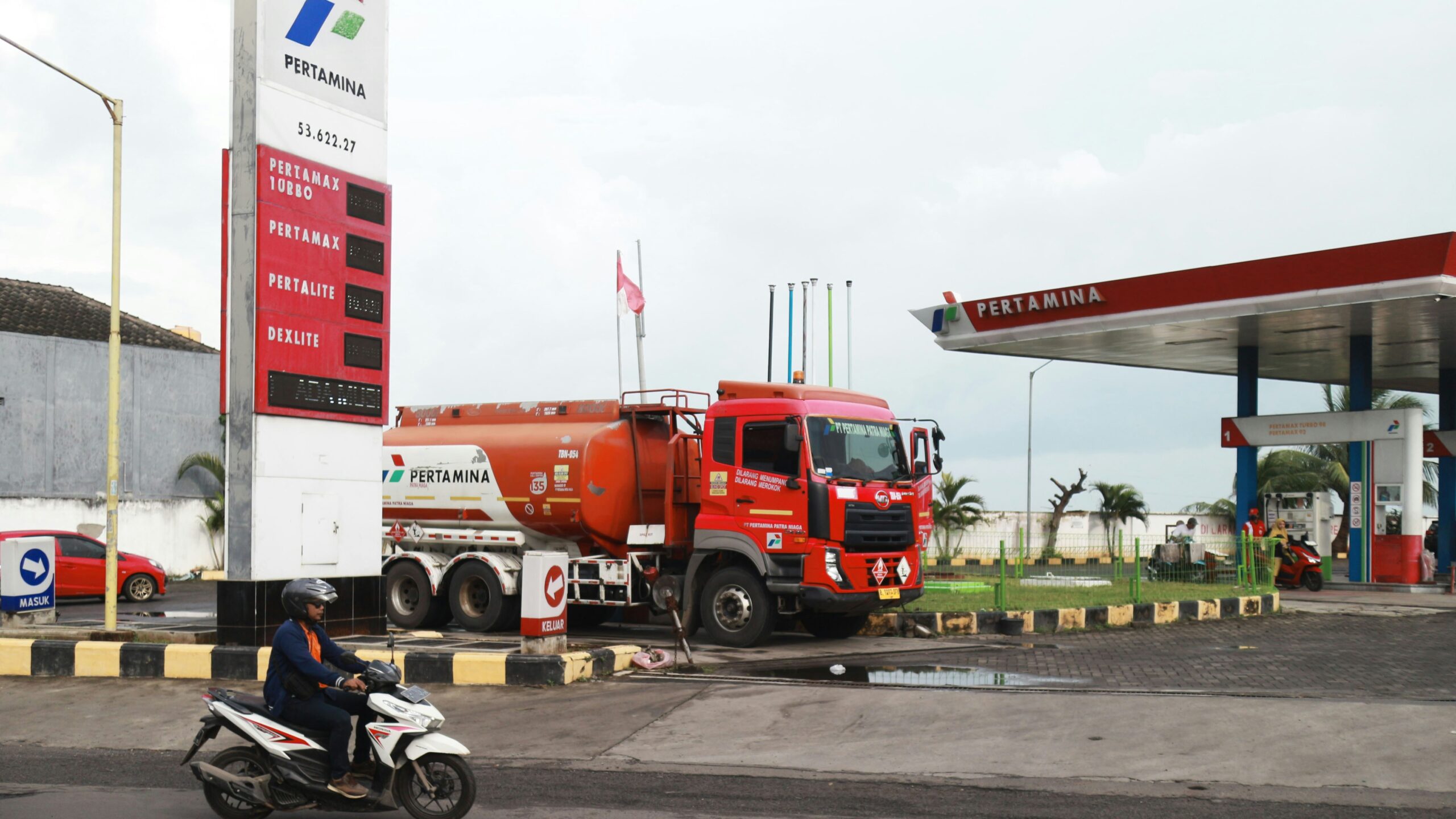
A gallon of regular gasoline now costs $4.39 on average nationwide, after prices lurched up 9 cents in a single day on June 2, 2026, according to AAA’s daily fuel gauge. For the driver filling a typical 15-gallon sedan tank, that works out to roughly $66, up from about $45 before hostilities between the United States and Iran began disrupting oil shipments through the Persian Gulf earlier this year. The cumulative increase since the conflict started: 47%. And AAA says prices have not peaked.
“We haven’t seen the peak yet,” AAA spokesperson Andrew Gross said in the organization’s latest update, pointing to shrinking gasoline inventories and refinery margins still under pressure as the peak summer driving season ramps up.
Tom Kloza, global head of energy analysis at the Oil Price Information Service, echoed that assessment in a June 2026 briefing, noting that wholesale gasoline markets are signaling further retail increases before any relief from emergency stockpile releases can take hold.
Why prices are climbing so fast
The chain reaction starts in the Strait of Hormuz, the narrow waterway through which roughly one-fifth of the world’s oil supply passes daily. Since the Iran conflict escalated, tanker traffic through the strait has slowed sharply. Insurance premiums for vessels transiting the region have spiked, and several major crude cargoes have been delayed or rerouted around the southern tip of Africa, adding weeks to delivery times. The result for American drivers: less oil is reaching global markets precisely when U.S. refineries are cranking up production for summer.
Federal data confirms what the pump already tells you. The U.S. Energy Information Administration’s most recent weekly petroleum status report shows gasoline stocks running below the five-year seasonal average, while demand, measured by the EIA’s “product supplied” metric, remains firm. That leaves almost no buffer against further supply shocks.
Wholesale gasoline prices have been rising even faster than what stations are charging, which means owners are still absorbing losses from fuel they bought days ago at higher cost. Until wholesale markets cool off, retail prices will keep climbing on a short delay.
The disruption is not limited to gasoline. Diesel prices, which directly affect trucking and shipping costs, have also surged, and jet fuel costs are climbing in tandem, adding pressure to grocery bills and airline fares alike.
The largest emergency oil release in history
Governments are responding with force, at least on paper. In late May 2026, the 32 member countries of the International Energy Agency agreed to make 400 million barrels available from their strategic reserves, described by the IEA as the largest coordinated release the agency has ever undertaken. The IEA tied the decision directly to supply disruptions caused by the Middle East conflict. (Note: the linked IEA page describes the agency’s coordinated-release mechanism; specific details of the May 2026 action may appear on a separate release page as the situation develops.)
The United States is shouldering nearly half the burden. The Department of Energy authorized the release of 172 million barrels from the Strategic Petroleum Reserve, the salt-cavern network along the Gulf Coast that serves as the country’s emergency oil backstop. Before the current drawdown began, the SPR held roughly 395 million barrels, according to EIA inventory data, meaning the authorized release would cut the reserve nearly in half. To speed that crude into the market, DOE launched an emergency exchange program, loaning government-owned oil to commercial refiners now in exchange for repayment in kind later, plus a premium.
So far, the drawdown is in its early stages. EIA data shows approximately 17.5 million barrels have left the SPR since March, placing the program at roughly one-tenth of its stated goal. For comparison, the Associated Press reported that the combined 400-million-barrel international pledge dwarfs the 2022 coordinated release following Russia’s invasion of Ukraine, which was itself a record at the time.
The gap between announcement and actual relief is where the uncertainty lives. Moving crude out of underground caverns, loading it onto pipelines, and processing it into finished gasoline takes weeks. The DOE has not disclosed a detailed delivery schedule or regional allocation plan, so some parts of the country could see lower prices well before others.
Where prices could go from here
Neither the EIA nor AAA has published a specific price ceiling forecast tied to the conflict, but the trajectory is hard to misread. Brent crude futures remain well above pre-conflict levels, and every day that Persian Gulf shipping stays disrupted adds upward pressure. Seasonal gasoline demand typically peaks between Memorial Day and Labor Day, meaning the timing of this crisis could hardly be worse for household budgets.
The all-time national average record stands at $5.02 a gallon, set in June 2022 after Russia’s invasion of Ukraine upended global energy markets. At the current pace of increases, that record could be tested within weeks. For a household running two cars, the difference between $2.99 and $5.00 a gallon translates to roughly $200 more per month in fuel costs alone.
Drivers in California, Nevada, and Washington are already paying well above $5.00, pushed higher by state taxes, limited refinery capacity, and boutique fuel-blend requirements. Motorists in Gulf Coast and Midwest states are seeing lower sticker prices but steeper percentage jumps as the supply shock works through regional distribution networks.
What drivers can do right now
AAA recommends several steps to blunt the impact: combine errands to cut trips, use apps like GasBuddy to find the cheapest stations nearby, and skip premium fuel unless your vehicle’s owner’s manual specifically requires it. Keeping tires properly inflated and clearing excess weight from your trunk can improve fuel economy by a few percentage points, savings that compound quickly when every gallon costs this much.
The ripple effects reach far beyond the pump. Higher fuel costs feed directly into shipping rates, grocery prices, and airline fares. The Federal Reserve, already navigating a complicated inflation picture, will be watching energy data closely as it weighs its next interest-rate decision in June 2026.
How long drivers may be stuck paying more at the pump
The honest answer is that no one can say with precision. The emergency reserve releases are real and historically large, but they function as a bridge, not a permanent fix. Lasting relief depends on one of two outcomes: either the conflict de-escalates enough to restore normal tanker traffic through the Strait of Hormuz, or global production from other sources rises fast enough to replace the lost barrels.
Neither is guaranteed on a short timeline. OPEC+ members with spare capacity, chiefly Saudi Arabia and the United Arab Emirates, have signaled willingness to pump more, but coordinating those increases involves political negotiations that move slowly. U.S. shale producers, meanwhile, have been disciplined about capital spending for years and are unlikely to ramp up drilling fast enough to offset a major Middle Eastern disruption within months.
Until those pieces fall into place, the 172 million barrels trickling out of the SPR and the broader international stockpile drawdown are the main tools keeping the situation from spiraling further. For the millions of Americans watching the price board tick upward every morning, the math is straightforward and unpleasant: the oil is coming, but it is not coming fast enough.