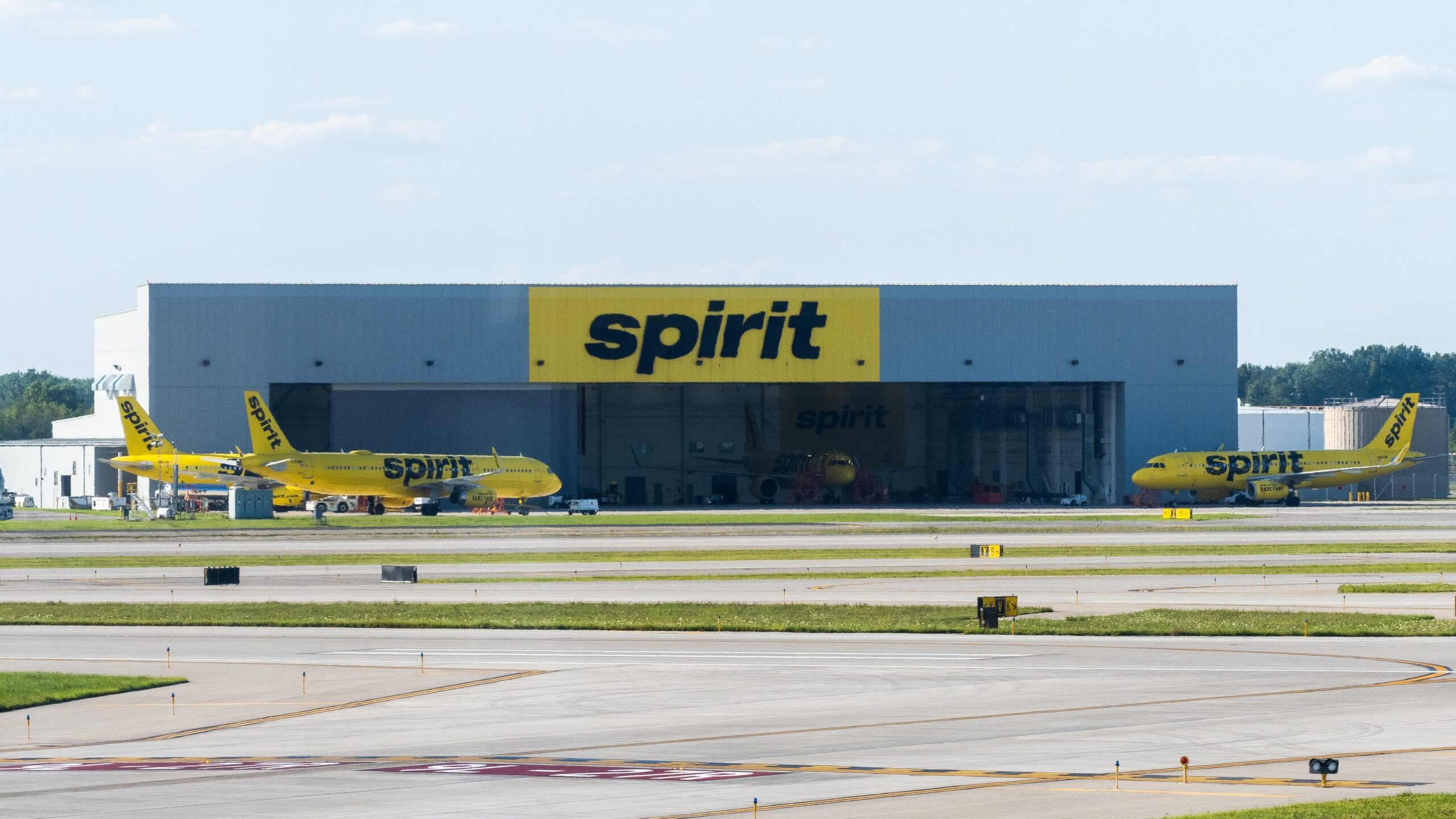
Spirit Airlines is done flying. The ultra-low-cost carrier filed for Chapter 11 bankruptcy protection in late 2024, attempted a restructuring, and then pulled the plug entirely in spring 2025, announcing an orderly wind-down of all operations. Every remaining flight was canceled. Passengers were told not to show up at the airport. As of June 2026, the airline’s planes are parked, its brand is effectively defunct, and thousands of travelers are still chasing refunds for tickets they will never use.
Whether you actually get that money back depends almost entirely on how you booked and how fast you move. Some passengers have already been made whole. Others are stuck in limbo between a bankrupt airline, an overwhelmed travel agency, and a credit-card company that wants more documentation. Here is a realistic, channel-by-channel breakdown of where things stand and what to do next.
Direct bookings through Spirit have the clearest path to a refund
If you bought your ticket on Spirit’s website or app, you are in the strongest position. Spirit’s wind-down notice directed these passengers to request refunds through the airline’s restructuring portal, and federal law backs up that claim with real teeth.
Under the U.S. Department of Transportation’s consumer protection rules, when an airline cancels a flight, the passenger is entitled to a full cash refund of the ticket price and any prepaid optional fees, no matter what the fare type says. That applies to nonrefundable tickets, basic economy fares, and everything in between. A final rule the DOT published in April 2024 (effective for most provisions by late October 2024) went further, requiring airlines to issue automatic refunds promptly rather than burying passengers in request forms. Under that rule, credit-card refunds must be processed within seven business days; refunds to other payment methods must go out within 20 business days.
Of course, “entitled” and “paid” are not the same thing when the airline writing the check is in the process of liquidating. Spirit’s financial position means refund processing could be slow, partial, or, in a worst case, stalled behind other creditor claims in bankruptcy court. Direct bookers should take these steps now:
- Submit a refund request through Spirit’s official restructuring portal immediately. Some passengers have reported automatic refunds appearing without a formal request, but do not count on that. File anyway and save the confirmation.
- Make sure the credit card or bank account tied to the original purchase is still open and active. If the card has been replaced or closed, contact your issuer to ensure refunds can still be routed correctly.
- Screenshot everything: your canceled itinerary, the original confirmation email, the refund request acknowledgment, and any follow-up correspondence.
- If the refund does not post within the DOT’s regulatory windows (seven business days for credit cards, 20 for other methods), follow up in writing and cite the DOT’s April 2024 automatic-refund rule by name.
Third-party bookings are a messier fight
Passengers who bought Spirit tickets through online travel agencies like Expedia, Booking.com, or other aggregator platforms face a more tangled process. Spirit’s shutdown notice was explicit: if you booked through a travel agent, seek your refund through that agent, not through Spirit.
That creates a real bottleneck. Spirit’s core customers skewed heavily toward budget travelers, exactly the demographic most likely to book through discount platforms to save a few dollars on the fare. Those platforms now sit between the passenger and the money, each with its own refund timelines, dispute procedures, and customer-service bandwidth. Many are handling a crush of Spirit-related claims at the same time.
What third-party bookers should do:
- Contact your booking platform right away and request a cash refund, citing the airline-initiated cancellation.
- Ask the agent to confirm in writing that a refund request has been submitted to Spirit or its payment processor. Get a case number or reference number and save it.
- If the platform offers only a voucher, travel credit, or rebooking on another carrier as your sole remedy, push back. Federal rules make a cash refund the default when the airline cancels the flight. You are not obligated to accept a credit.
- If the agent still refuses to process a cash refund after you escalate internally, file a formal complaint with the DOT’s Aviation Consumer Protection Division. Attach copies of all correspondence. The DOT cannot force a third-party platform to pay, but complaints create a paper trail that strengthens enforcement cases and can prompt the platform to act.
Expect this process to take weeks, not days. Patience and documentation are your two best assets here.
Your credit card is probably your strongest backup plan
No matter how you booked, if you paid with a credit card, you have a separate recovery tool that does not depend on Spirit’s solvency: the chargeback process under the Fair Credit Billing Act. If the airline or a third-party platform fails to deliver a refund within a reasonable window, you can dispute the charge with your card issuer for services not rendered.
Under federal law, cardholders generally have 60 days from the statement date on which the charge appeared to file a billing dispute. In practice, most major issuers extend that window when the service (in this case, a flight) was scheduled for a future date. Call the number on the back of your card, explain that the airline ceased operations and canceled your flight, and ask to open a dispute. Have your confirmation number, the cancellation notice, and records of any failed refund attempts ready to upload.
Debit-card users have a harder road. Regulation E covers debit transactions, but the dispute windows are shorter, the burden of proof can be heavier, and banks are generally less generous with provisional credits. If you paid with a debit card and the refund stalls, your remaining options are a DOT complaint and, if the dollar amount justifies the effort, a small-claims court filing in your local jurisdiction.
Travel insurance may cover what Spirit cannot
If you purchased a standalone travel insurance policy or have trip-cancellation coverage through a credit card’s benefits program, check whether airline bankruptcy or cessation of operations is a covered event. Many comprehensive travel insurance policies do cover this scenario, though some budget policies exclude carrier insolvency.
Review your policy language carefully. If coverage applies, file a claim with your insurer promptly and include documentation of the canceled flight, your original purchase amount, and any refund amounts you have already recovered (or been denied) through other channels. Insurers will typically require proof that you attempted to get a refund from the airline or booking platform first.
Rescue fares helped stranded travelers, but watch the trade-off
In the weeks following Spirit’s shutdown, several airlines offered discounted “rescue fares” to stranded passengers who needed to get where they were going. For travelers with urgent plans, those fares were a genuine lifeline. But accepting alternative transportation can complicate your refund claim if the transaction is not structured carefully.
Under DOT rules, if a canceling airline rebooks you on alternative transportation and you accept, you generally forfeit the right to a cash refund on the original ticket. Spirit is not rebooking anyone since it has no operating capacity. But if any partner airline or travel platform bundles your original Spirit booking into a replacement itinerary, that could blur the line. The safest approach:
- Request your Spirit refund first, as a standalone transaction, before booking replacement travel.
- Book any replacement flights separately, on a different reservation and ideally with a credit card for chargeback protection.
- Do not accept a voucher or credit from Spirit in place of a cash refund, even if it is packaged alongside a rescue-fare deal.
- Save all receipts and boarding passes from replacement travel. If regulators or bankruptcy courts later pursue compensation or penalty actions related to the shutdown, documented out-of-pocket costs will matter.
Loyalty points and unused extras are almost certainly gone
This is the part nobody wants to hear. Spirit’s Free Spirit loyalty program points are, for all practical purposes, worthless now. When an airline liquidates, loyalty miles and points typically carry no cash value and no legal standing as a debt the company must repay. Spirit’s program terms, like those of virtually every U.S. carrier, stated that points are not the property of the member and can be canceled at any time at the airline’s discretion.
The same logic applies to prepaid seat upgrades, bag fees, or vacation-package add-ons that were bundled with a Spirit flight but never delivered. For fees tied directly to a canceled flight, passengers do have a refund claim under DOT rules, and those fees should be included in your refund request. But standalone loyalty balances, promotional credits, and Spirit-issued gift cards are unlikely to be honored by anyone. If you are sitting on a significant points balance, document it in case a bankruptcy trustee establishes a formal claims process for unsecured creditors, but keep your expectations low.
The bankruptcy is not just background noise
Spirit’s financial collapse directly shapes whether refunds actually get paid. In a normal airline cancellation, the carrier has operating revenue to fund refunds within days. In a wind-down following bankruptcy, passenger refund claims compete with aircraft lessors, fuel suppliers, lenders, and other creditors for whatever assets remain in the estate. Passengers are typically classified as unsecured creditors, which puts them near the back of the line.
The DOT has shown it is willing to hold airlines accountable on refunds even in distressed situations. In 2020, the agency issued a cease-and-desist order and a civil penalty against Spirit for failing to provide timely refunds during the COVID-19 pandemic. Whether the DOT will take new enforcement action tied to this wind-down depends on how refund processing unfolds over the coming months. No specific enforcement announcement had been made as of June 2026.
This is precisely why the credit-card chargeback option matters so much. If Spirit’s estate cannot cover all refund claims, passengers who disputed charges with their card issuer will have already recovered their money through a separate channel. Those who waited for the airline to pay may end up holding an unsecured claim worth pennies on the dollar.
Move fast and document everything
The single most useful thing any Spirit ticket holder can do right now is stop waiting and start filing. Submit your refund request through the correct channel: Spirit’s restructuring portal for direct bookings, your travel agency for third-party bookings. If you paid by credit card, set yourself a firm deadline. If the refund has not posted by then, initiate a chargeback.
File a DOT complaint if your refund is denied or unreasonably delayed. The agency may not resolve your individual case quickly, but a critical mass of complaints strengthens the case for enforcement action and signals to the bankruptcy court that passenger claims deserve priority treatment.
Spirit’s collapse is a sharp reminder that the cheapest fare sometimes carries the most risk. The tools to recover your money still exist, but they will not stay open forever. Use them now.