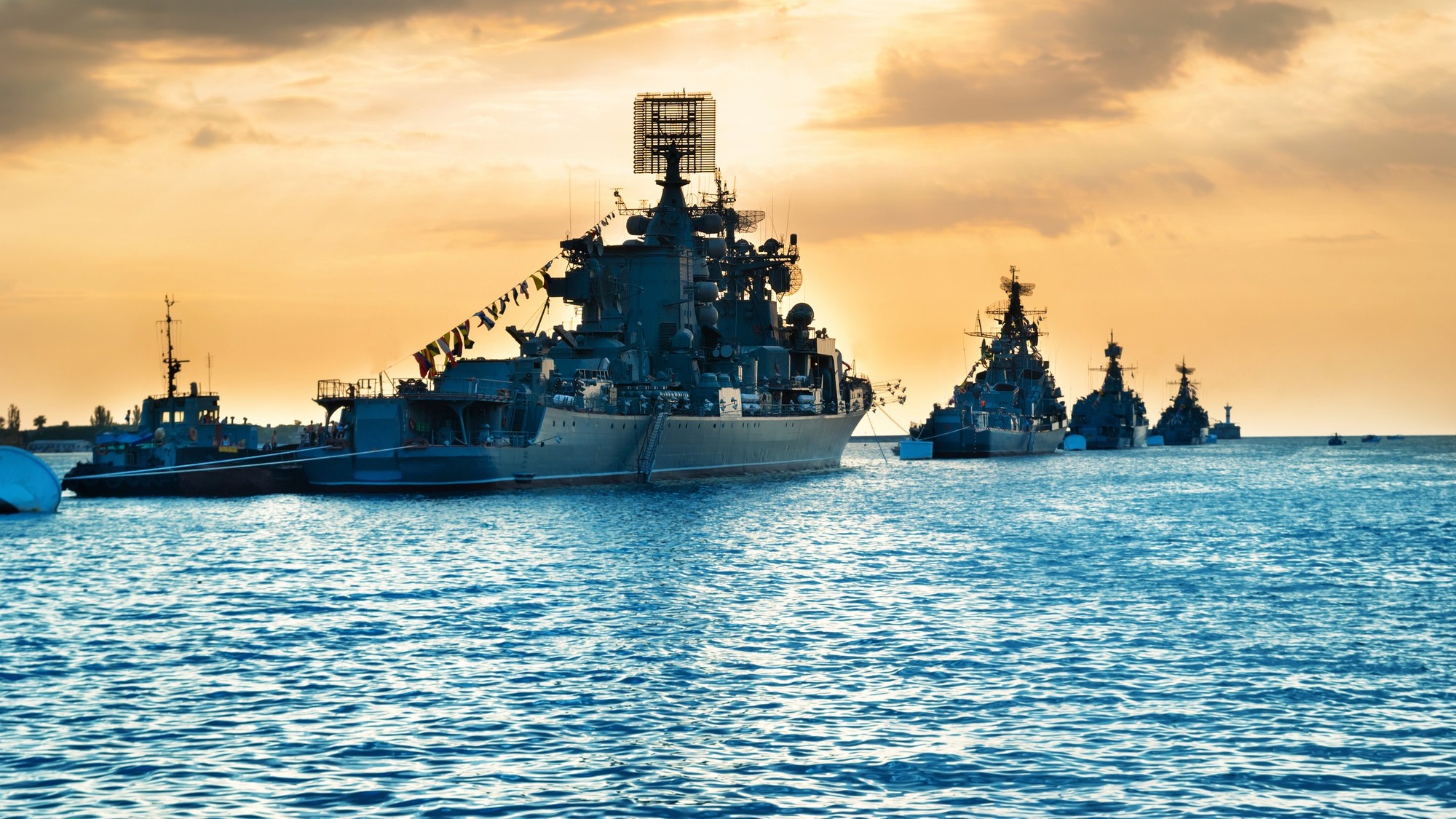
Six Iranian boats sit at the bottom of the Strait of Hormuz after a U.S. Navy confrontation that may have just killed a ceasefire the White House announced barely a month ago. President Trump has refused to say whether the deal still holds. And roughly one-fifth of the world’s seaborne oil, the crude that becomes your gasoline, is now flowing through a waterway where American warships and Iranian forces are actively shooting at each other, just as peak summer driving season begins.
What happened, and what the official record shows
In April 2026, the White House published a statement announcing a ceasefire tied to reopening the Strait of Hormuz. The administration said its military operation, dubbed Operation Epic Fury, had “crushed” an Iranian threat and restored stability to the waterway. The tone was triumphant. Broader diplomatic talks were proceeding alongside the agreement.
That triumph lasted roughly two weeks. On May 4, 2026, the UAE Ministry of Foreign Affairs published a public statement condemning renewed Iranian aggression involving missiles and drones. Three Indian nationals were injured, the ministry confirmed, and the strikes targeted energy infrastructure and civilian areas. The UAE called the attacks unjustified escalations and appealed for international support. That language amounts to a direct rebuke of the ceasefire’s central promise: safe passage through the strait.
The Associated Press subsequently reported that U.S. forces sank six Iranian boats in a confrontation involving missiles, drones, and small vessels operating near key shipping lanes. AP accounts, attributed to U.S. and regional officials, describe the Navy as actively working to reopen the strait to routine commercial traffic while Iranian attacks on the UAE and nearby infrastructure strain the April agreement. The Pentagon has not held a public briefing on the engagement, and the White House has not updated its position since the original ceasefire announcement.
Why the strait matters more than any single oil facility
The International Energy Agency estimated in its most recent annual review that approximately 21 million barrels per day move through the Strait of Hormuz, accounting for roughly a quarter of all seaborne oil trade. Qatar and the UAE also depend on the waterway for liquefied natural gas exports. Bypass options exist, notably the East-West Pipeline across Saudi Arabia and the Abu Dhabi Crude Oil Pipeline to the UAE’s Fujairah terminal on the Gulf of Oman, but their combined spare capacity can offset only a fraction of a full closure.
The U.S. Energy Information Administration has called the strait the world’s most important oil transit chokepoint, warning that even brief supply delays through such bottlenecks drive up shipping costs, insurance premiums, and consumer energy prices well before physical shortages materialize.
For comparison: when drone and missile strikes hit Saudi Arabia’s Abqaiq processing facility in September 2019, Brent crude spiked nearly 15 percent in a single session, the largest one-day jump in years. Prices settled back within about two weeks once repairs began and spare capacity came online. But Abqaiq was a single facility. A contested Hormuz is a chokepoint, and chokepoints do not get repaired. They stay dangerous until the shooting stops, which means the uncertainty premium can persist far longer.
The policy vacuum
The biggest unanswered question is whether the ceasefire still functions as a diplomatic agreement or has effectively collapsed. Trump’s refusal to confirm the deal’s status leaves allies, adversaries, and oil markets guessing how Washington interprets its own red lines. Without a clear public position, it is impossible to know whether the sinking of the six boats is being treated as enforcement of the ceasefire, retaliation for Iranian violations, or the opening phase of a broader military campaign.
Iran, as of late May 2026, has not issued a public response to either the UAE’s allegations or the reported destruction of its vessels. That silence makes it difficult to assess whether the confrontation was an isolated provocation by local commanders or a deliberate escalation ordered by Tehran’s senior leadership.
On Capitol Hill, members of the Senate Armed Services and Foreign Relations committees have called on the administration to clarify the ceasefire’s status and brief Congress on rules of engagement in the strait. Those requests have gone unanswered publicly, deepening the impression that policy is being improvised in real time.
Meanwhile, shipping insurers have already begun repricing war-risk premiums for vessels transiting the Persian Gulf. Those costs flow directly into the price of every barrel that makes it through. A related U.S. initiative known as Project Freedom, designed to escort commercial vessels through the strait, has been publicly referenced but its operational scope and current status remain unclear.
What this means for OPEC+ and spare capacity
Any Hormuz disruption raises an immediate follow-up question: can other producers fill the gap? OPEC+ members with spare capacity, chiefly Saudi Arabia and the UAE, have historically been the market’s shock absorbers. But both countries’ export infrastructure relies heavily on the strait itself, limiting how much additional oil they can reroute even if they ramp up production. The IEA’s March 2026 Oil Market Report flagged the duration of any Hormuz disruption as the key variable determining both macroeconomic and household-level impacts, precisely because spare capacity outside the Gulf is thin.
The U.S. Strategic Petroleum Reserve, which held roughly 400 million barrels as of early 2026 according to EIA data, offers a buffer but not a solution. SPR releases can calm markets temporarily; they cannot replace 21 million barrels a day of sustained flow.
What this means at the pump
Gasoline prices nationally were averaging roughly $3.50 per gallon heading into late May 2026, based on the most recent Bureau of Labor Statistics Consumer Price Index data, already above the same period last year. Summer typically brings a seasonal bump as refineries switch to costlier blends and demand climbs. A sustained Hormuz disruption would layer a geopolitical risk premium on top of that seasonal increase.
The EIA’s Short-Term Energy Outlook has warned that conflict-driven risk premiums can push prices higher well before any physical shortage reaches U.S. refineries, because traders, insurers, and shippers all price in fear before they price in barrels. The exact dollar-per-gallon impact depends on how long the disruption lasts, whether it escalates, and how quickly inventories and refining schedules adjust. But the direction is unambiguous: contested strait means higher costs.
What households and small businesses can do now
For families planning summer road trips, the most practical moves are unglamorous but effective: lock in fuel costs where possible through prepaid gas cards or warehouse-club fill-ups, consolidate errands to cut unnecessary miles, and check tire pressure, which the Department of Energy estimates can improve fuel economy by up to 3 percent when properly maintained. Drivers who can shift some trips to public transit or carpooling may find that even modest changes blunt a potential spike.
Small businesses that depend on transportation, from delivery services to contractors to regional manufacturers, have a narrower margin for error. Revisiting fuel surcharges and supplier contracts now, before another round of volatility hits, is cheaper than scrambling after the fact. Companies with diesel-heavy fleets should pay particular attention: diesel prices tend to react faster than gasoline to crude-oil shocks because refining margins tighten first on distillates.
A ceasefire no one will confirm and a chokepoint no one can avoid
None of those individual choices will influence what happens in the Strait of Hormuz. But they can soften the blow of a crisis whose trajectory is being shaped by a single, conspicuous silence: the president’s refusal to say whether a ceasefire his own administration announced is still in effect. Until that question gets a public answer, the world’s most critical oil chokepoint remains a live conflict zone, and every American household planning a summer fill-up is paying for the uncertainty.