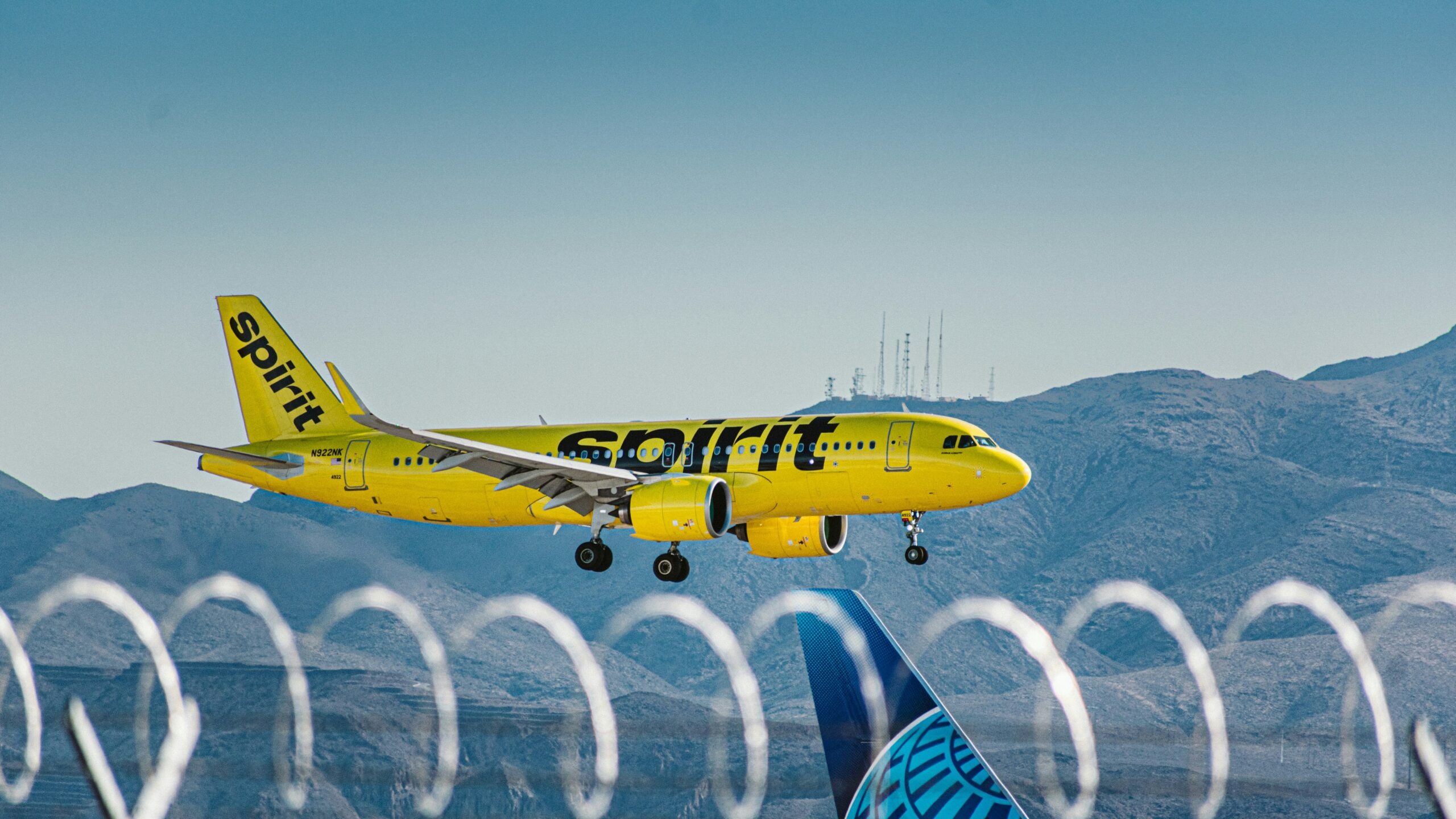
A round trip between Fort Lauderdale and Detroit used to cost as little as $78 on Spirit Airlines. Today, the cheapest nonstop on that route rarely dips below $140. That is not an outlier. Across dozens of city pairs where Spirit was often the lowest-priced carrier, fares have climbed roughly 14% since the airline stopped flying, according to an analysis reported by The Atlantic. A separate examination by CBS News, using Cirium aviation data, found the increase was closer to 23%, or about $60 more per round trip.
And the increases may not be finished. Based on the market dynamics described throughout this article, budget airfares on affected routes could plausibly rise 25% or more within six months, as remaining carriers adjust capacity on routes where their most aggressive competitor no longer exists. That projection reflects a straightforward calculation: fewer seats from fewer airlines, meeting steady or growing demand, equals higher prices. No named analyst or published model has been publicly attached to that specific figure, so readers should treat it as a directional estimate grounded in observable trends rather than a formal forecast.
Why Spirit’s exit hit so hard
Spirit Airlines ceased operations after a prolonged financial collapse. A failed merger with JetBlue, crushing debt, and fuel costs the carrier said it could no longer absorb all contributed to the end. The Associated Press reported on the shutdown, which pulled one of the last major ultra-low-cost competitors off a long list of domestic routes.
The impact was predictable. Research has consistently shown that a single ultra-low-cost carrier on a route drags average fares down significantly. A Government Accountability Office analysis of airline competition found that markets served by low-cost carriers had meaningfully lower fares than comparable markets without them, and The Atlantic’s reporting cited similar findings showing discounter-served routes were roughly 21% cheaper. When Spirit disappeared, that downward pressure vanished overnight, handing pricing leverage back to the remaining airlines.
The federal government moved quickly to limit immediate fallout. Transportation Secretary Sean P. Duffy announced capped rescue-fare arrangements with several major carriers in a department statement outlining temporary protections for stranded customers. JetBlue offered discounted rebooking for 72 hours, Delta extended relief for five days, and United kept its rescue fares available for two weeks. Those windows closed months ago, leaving affected passengers to shop at whatever the market now charges.
How much fares have actually risen
Two independent analyses have tried to quantify the damage. They differ on the exact number, but both point the same direction.
The Atlantic’s examination of routes Spirit left between 2024 and 2025 found fares rose approximately 14%. CBS News, drawing on Cirium’s historical booking and pricing database, reported a steeper jump of about 23%. The Cirium-based analysis also found that passenger volume dropped roughly 20% on former Spirit routes, a sign that many price-sensitive travelers simply stopped flying rather than absorb the higher cost.
The gap between the two estimates likely comes down to differences in which routes were sampled and over what time period. The Department of Transportation’s quarterly Domestic Airfare Consumer Report, which tracks average fares across the top 1,000 city-pair markets, should begin capturing the shift in upcoming releases and provide a more authoritative baseline. That data typically lags by several months, so the first comprehensive federal snapshot of post-Spirit pricing may not arrive until mid-2026.
The practical takeaway: fares on many former Spirit routes have risen somewhere in the mid-teens to low-20s percent range, with the precise amount depending on local competition and demand.
Why the next six months could bring another 25% increase
The forces behind that projection are not complicated. Remaining carriers have little incentive to flood former Spirit routes with cheap seats during a period of elevated fuel costs. Jet fuel prices have stayed above $2.50 per gallon through early 2026, according to the U.S. Energy Information Administration, keeping operating costs high and discouraging aggressive fare competition. Meanwhile, the summer 2026 travel surge will push demand higher on routes that are already capacity-constrained.
No major airline has announced plans to fill the gap Spirit left with comparable ultra-low fares. That combination of tight supply and rising seasonal demand is what makes another significant fare increase on budget-heavy routes plausible in the months ahead. The 25% figure is the author’s directional estimate based on the pricing data, fuel costs, and competitive dynamics described in this article. It is not drawn from a single named forecaster or published model. Fuel-price swings, new entrant strategies, or shifts in consumer behavior could all change the trajectory. But the underlying math favors higher prices, not lower ones.
Can other budget carriers fill the gap?
So far, the answer is no.
Frontier Airlines, the closest remaining ultra-low-cost competitor, has picked up some former Spirit routes but has not matched Spirit’s network breadth or its most aggressive pricing. On routes like Orlando to Los Angeles, where Spirit once offered sub-$100 round trips, Frontier’s entry-level fares have generally landed higher. Smaller carriers like Avelo and Breeze operate in niche markets and lack the fleet size to absorb Spirit’s footprint. Allegiant, which focuses on leisure routes from smaller airports, overlaps with only a fraction of Spirit’s former map.
Southwest Airlines, which historically played a similar fare-suppression role on many domestic routes, has been pulling back from unprofitable markets and shifting toward assigned seating and premium products. That strategic pivot means Southwest is unlikely to step into Spirit’s old role as the price leader on budget routes.
Until a new entrant scales up or an existing carrier decides the economics justify aggressive discounting, the competitive vacuum Spirit left behind is likely to persist.
How budget travelers can protect themselves before summer 2026
For passengers who relied on Spirit’s pricing, the most effective short-term defense is flexibility. Searching multiple nearby airports, shifting travel dates by even a day or two, and booking well in advance can still surface lower fares on routes where some competition remains. Fare-alert tools from Google Flights, Hopper, and similar platforms can flag temporary dips when a carrier briefly adds capacity or runs a promotional sale.
For policymakers, Spirit’s collapse is becoming a case study in how sensitive domestic airfares are to the presence or absence of just one aggressive discounter. The DOT’s upcoming quarterly reports will be closely watched for sustained fare increases in markets where Spirit once flew, and those findings could shape debates over airline consolidation, airport slot allocation, and barriers to new market entry.
What is already clear, even before that federal data lands, is that Spirit’s disappearance has made flying meaningfully more expensive for millions of travelers who counted on it. The only open questions are how much further prices climb and whether anyone steps in to push them back down.