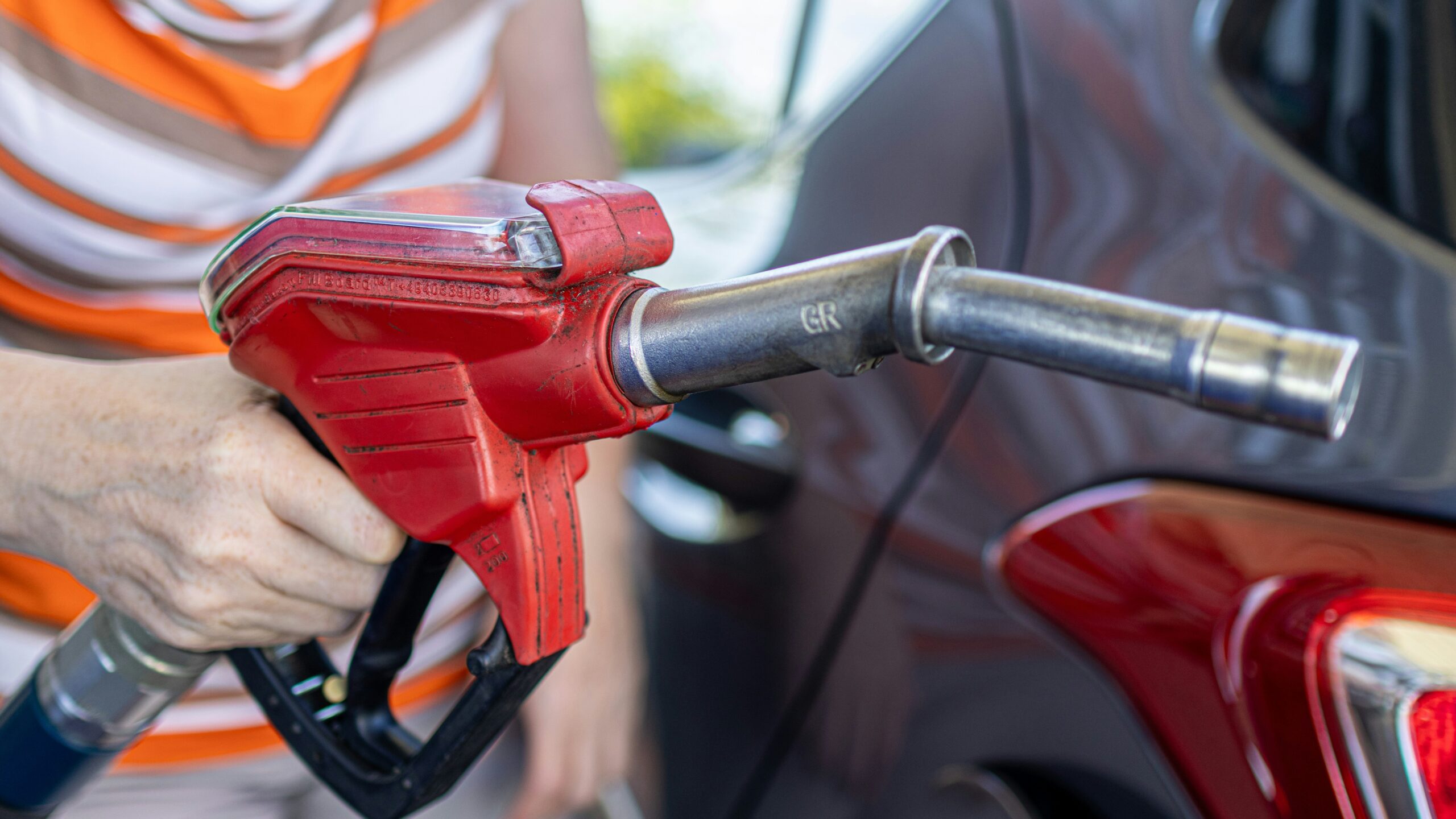
In the spring of 2022, filling up the family car went from routine expense to budget emergency. Between January and mid-May of that year, the national average price of gasoline jumped from roughly $3.30 per gallon to $4.56, according to AAA’s daily tracking data. For a household burning about 41 gallons of fuel a month, that translated to approximately $187 in added costs every 30 days. Projected over a full year at that rate, the extra burden would total $2,244, enough to drain a modest emergency fund or cancel out a typical tax refund.
Nearly four years later, with gas prices in late May 2026 sitting well below that peak, the 2022 surge still serves as the clearest recent example of how fast pump prices can reshape a family’s finances. Understanding where those numbers came from, and where they fell short, matters now because the conditions that caused the spike have not permanently disappeared.
How the $187 figure was calculated
The number did not come from a single government report. It was derived by combining two federal datasets.
The Energy Information Administration’s Monthly Energy Review tracks total U.S. motor gasoline consumption. The EIA reported that the U.S. consumed roughly 135 billion gallons of motor fuel in 2022. Dividing that figure by 12 months and then by the roughly 131 million U.S. households counted by the Census Bureau produces approximately 86 gallons per household per month. However, not all of that fuel goes to personal household vehicles; a large share is consumed by commercial fleets, government vehicles, and other non-household uses. Stripping out those categories and focusing on light-duty personal vehicle consumption brings the per-household figure closer to 41 gallons per month, the estimate used in this calculation.
The price side of the equation came from the Bureau of Labor Statistics’ Consumer Price Index data for January 2022 and AAA’s national average for mid-May. Multiplying 41 gallons by the per-gallon increase yields roughly $187 per month. Multiply that by 12, and you reach $2,244.
The Bureau of Labor Statistics’ Consumer Expenditures report for 2022 confirmed that gasoline ranked among the largest recurring household costs that year, trailing only housing and food.
Why the real-world hit varied widely
Averages flatten reality. No two households experienced the 2022 spike the same way.
Geography was the most obvious dividing line. Drivers in California and parts of the Pacific Northwest paid well above $4.56 per gallon at the peak, while motorists along the Gulf Coast consistently paid less. Urban households with short commutes or access to public transit burned fewer gallons than the national mean. Rural families and multi-vehicle households often burned far more.
Income amplified the gap. BLS expenditure data shows that lower-income households devote a larger share of their budgets to transportation. A $187 monthly increase that registers as an inconvenience for a household earning six figures can force a family making $40,000 a year to choose between a full tank and a utility bill.
The $2,244 projection never fully materialized
Prices did not hold at $4.56 for 12 months. EIA weekly data shows the national average climbed even higher in June 2022, briefly topping $5 per gallon, before retreating through the fall. By December, the average had dropped below where it started in January.
That makes the $2,244 figure a conditional projection: a snapshot of what the damage would look like if peak prices persisted all year. The actual full-year cost increase was almost certainly smaller. But the summer months delivered a concentrated hit. Consumer spending surveys from that period showed families cutting back on dining out, postponing road trips, and leaning harder on credit cards to cover essentials. For households already stretched thin, even a few months at elevated prices left financial scars that took longer to heal than the prices took to fall.
What pushed prices so high in 2022
Russia’s invasion of Ukraine in February 2022 disrupted global crude oil markets and sent Brent crude above $120 per barrel by June. Domestic refinery capacity, already reduced after pandemic-era shutdowns, could not keep pace with surging summer demand. OPEC production decisions added further uncertainty. Together, those forces pushed retail gasoline to levels not seen since 2008 in inflation-adjusted terms.
The spike exposed a structural reality that has not changed much since: American households remain heavily dependent on gasoline. Electric vehicle sales have grown substantially since then, and average fleet fuel economy has improved, but gasoline-powered cars and trucks still dominate the nation’s roads. Any serious disruption in global oil supply still translates quickly into household-level pain.
Practical ways to prepare for the next spike
As of late May 2026, national gas prices remain well below the 2022 peak. But energy analysts routinely warn that the ingredients for another surge, whether from geopolitical conflict, refinery outages, or coordinated OPEC supply cuts, never fully leave the table. Families who build fuel costs into their financial planning now will feel less pressure when prices climb again.
- Know your vehicle’s real fuel economy. The Department of Energy’s fueleconomy.gov lets drivers compare vehicles and estimate annual fuel costs at any price per gallon. Knowing your baseline makes it easier to spot when costs are drifting upward.
- Use price-comparison tools. Apps like GasBuddy aggregate real-time station prices. Paying even 10 to 15 cents less per gallon saves $4 to $6 on a typical fill-up, and those savings compound over months.
- Consolidate trips. Combining errands into fewer outings reduces unnecessary mileage and avoids repeated cold-engine starts, which burn fuel less efficiently than driving a warmed-up engine.
- Stack fuel rewards. Many grocery chains and warehouse clubs offer per-gallon discounts tied to spending, effectively lowering the pump price by 5 to 25 cents per gallon.
- Budget for volatility. Setting aside even $50 a month into a dedicated transportation fund during periods of low prices creates a buffer that softens the blow when costs spike.
Why the 2022 benchmark still matters for household budgets
The $187-per-month figure and its $2,244 annual projection were rooted in a specific moment, but the pattern they illustrate repeats whenever global oil markets tighten. Gasoline is one of the few household expenses that can jump 30 percent or more in a matter of weeks, with no warning and no negotiation. For the millions of families still reliant on gasoline-powered vehicles, the best response is not to predict the next spike but to plan for it: track what you spend, understand what moves prices, and keep a cushion ready for when the pump price climbs again.