The clock is ticking for millions of federal student loan borrowers, and the math is unforgiving. If you are among the estimated 8 million people who enrolled in the SAVE repayment plan, that plan is being shut down. Starting July 1, 2025, loan servicers will begin sending notices giving each borrower 90 days to choose a replacement. Fail to respond, and your servicer will automatically place you on the Standard Repayment Plan, which typically carries the highest monthly payment of any federal option. As of late May 2025, that puts roughly 53 days between now and the start of a transition that could double or triple your monthly bill.
Why SAVE is going away
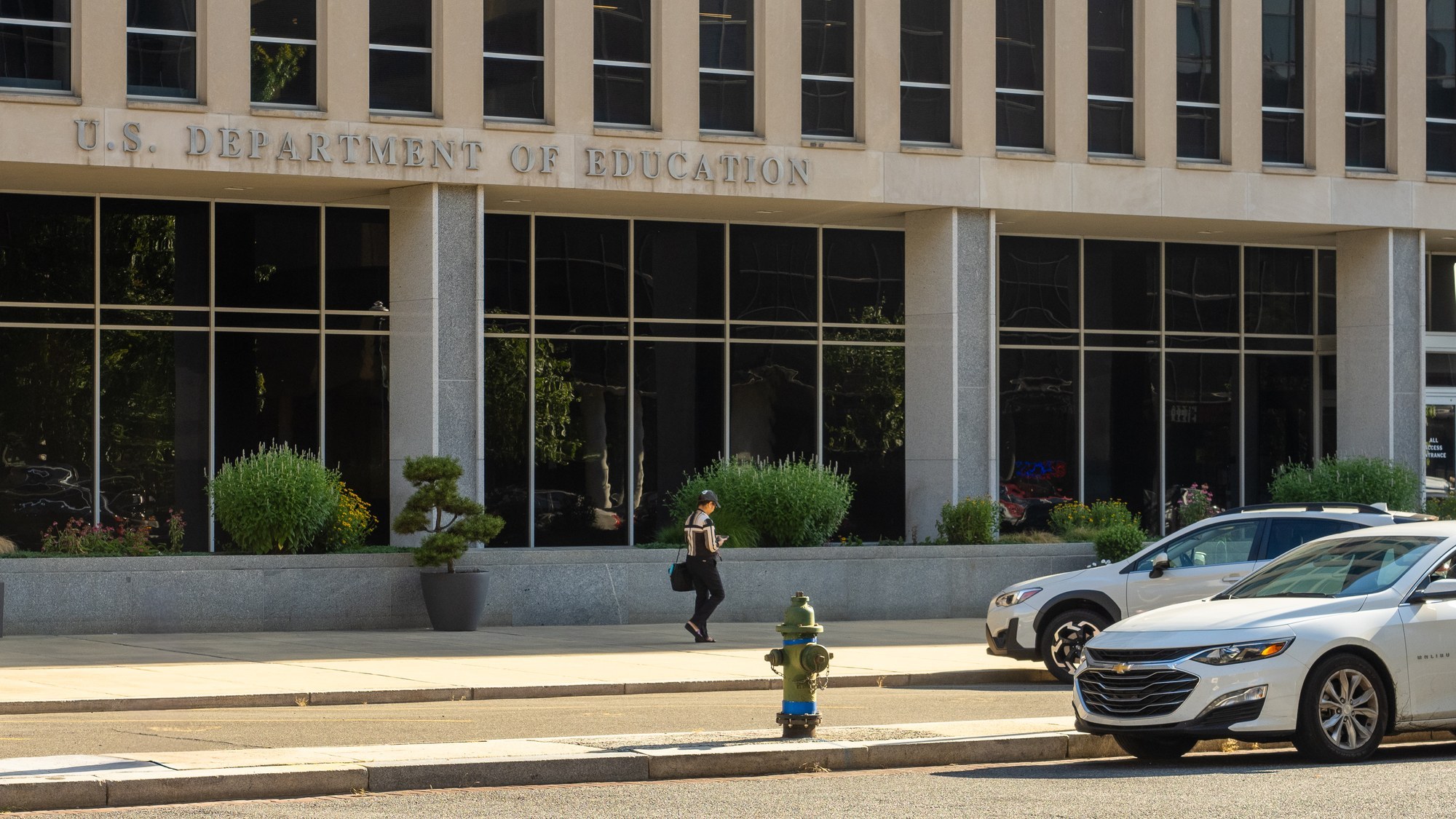
Federal courts blocked the SAVE plan after multiple legal challenges argued it exceeded the Department of Education’s statutory authority. In a May 2025 press release, the Department acknowledged those rulings and laid out a transition process. The agency now refers to SAVE as “unlawful” and has committed to winding it down entirely.
Here is how the transition works: beginning July 1, each borrower’s servicer will send an individual notice. From the date that notice is sent, you have 90 days to log in and select a different repayment plan. If you take no action within your personal 90-day window, your servicer moves you to the Standard Repayment Plan by default. An important distinction: July 1 is when notices begin going out, not a single hard deadline for every borrower. Your 90-day clock starts on the date your specific notice is issued.
What the Standard Repayment Plan actually costs
The Standard Repayment Plan divides your total loan balance into fixed monthly payments over 10 years. It does not adjust for income, family size, or financial hardship. For borrowers who chose SAVE precisely because they needed payments scaled to modest earnings, the jump can be severe.
To illustrate: a borrower carrying $35,000 in federal loans on a $40,000 salary could expect to pay roughly $100 to $200 per month under an income-driven plan, depending on family size and the plan’s formula. Under the Standard plan, that same borrower would owe approximately $350 to $400 per month, according to estimates generated by the Department of Education’s Loan Simulator. Federal loan servicer MOHELA notes on its repayment plans page that automatic placement into the Standard plan “might result in a higher monthly payment” than other options. For many displaced SAVE borrowers, “higher” barely captures it.
Which repayment plans are still available
During the 90-day selection window, borrowers can choose from several alternatives that remain legally authorized. The main income-driven options currently on the table:
- Income-Based Repayment (IBR): Caps payments at 10% or 15% of discretionary income, depending on when you first borrowed. Offers forgiveness after 20 or 25 years of qualifying payments.
- Pay As You Earn (PAYE): Caps payments at 10% of discretionary income with forgiveness after 20 years. Eligibility depends on when you borrowed and your financial circumstances.
- Income-Contingent Repayment (ICR): Sets payments at 20% of discretionary income or the amount you’d pay on a fixed 12-year plan, whichever is less. Forgiveness comes after 25 years.
Graduated and extended repayment plans are also available for borrowers who qualify, though these do not tie payments to income. The right choice depends on your balance, earnings, family size, and whether you are pursuing Public Service Loan Forgiveness (PSLF) or another long-term forgiveness track. Borrowers on a PSLF path should pay particular attention: only income-driven plans (IBR, PAYE, ICR) generate qualifying payments toward the 120-payment threshold.
What about the new Repayment Assistance Plan?
The One Big Beautiful Bill Act, signed into law in 2025, created a new income-based option called the Repayment Assistance Plan (RAP). Based on the text of the enacted legislation, RAP’s effective date appears to be July 1, 2026. However, the Department of Education has not yet published implementation guidance confirming that date, and borrowers should treat it as provisional until official rulemaking or agency announcements provide clarity.
Separately, a rulemaking package aimed at simplifying repayment and lowering costs has been in development. The full scope and timeline of that package remain subject to change as implementation proceeds.
The practical problem: the 90-day transition window for displaced SAVE borrowers begins in July 2025, a full year before RAP is scheduled to launch. No public guidance from the Department confirms that RAP will be available as a selection option during this transition period. Borrowers should make their choice from the plans that exist right now, not from options still being built.
What happens to forgiveness progress and accrued interest?
One of the most common questions borrowers are raising is whether the months spent in administrative forbearance during the SAVE litigation will count toward income-driven repayment forgiveness or PSLF. The Department of Education’s May 2025 press release does not directly address this. Historically, months in administrative forbearance have not counted toward IDR forgiveness unless a specific waiver or adjustment applied, but the Department has made exceptions in recent years through limited-time programs.
Interest is another concern. During the period SAVE was blocked and accounts were placed in forbearance, interest may have continued to accrue depending on your loan type and subsidy status. When you select a new plan, that capitalized interest could increase your principal balance, raising both your monthly payment and total repayment cost. Checking your current balance on StudentAid.gov before choosing a plan will help you avoid surprises.
Unanswered questions and ongoing uncertainty
The Department of Education has not published an updated count of how many borrowers remain enrolled in SAVE as of June 2025. The estimated 8 million figure widely cited in earlier agency communications and reporting from outlets like the Associated Press dates to 2024, and attrition since the court rulings may have shifted that number. Without a current figure, the full scale of potential financial disruption is difficult to measure.
It is also unclear how the 90-day window interacts with ongoing litigation over income-driven repayment more broadly. Some borrowers may wonder whether additional court orders could pause or alter the transition timeline. As of late May 2025, the Department’s stated plan stands: notices go out starting July 1, and the 90-day clock runs from each borrower’s individual notice date. No court has issued an order delaying that process.
What to do before your notice arrives
You do not have to wait for your servicer’s letter to start preparing. Here is a practical checklist:
- Confirm your servicer. Log in to StudentAid.gov and verify which company services your loans. If you are unsure whether you are still on SAVE, your account dashboard will show your current plan status.
- Run the numbers. Use the Department of Education’s Loan Simulator to compare monthly payments under IBR, PAYE, ICR, and the Standard plan. Pay attention to both the monthly amount and the total cost over the life of the loan, including interest.
- Check your forgiveness timeline. If you are pursuing PSLF or long-term IDR forgiveness, verify how many qualifying payments you have made. This information is available on StudentAid.gov and through your servicer. Your plan choice directly affects whether future payments count.
- Update your contact information. Make sure your servicer has your current mailing address, email, and phone number. A missed notice could mean a missed deadline.
- Act early. Once you receive your notice, submit your new plan selection as soon as possible. Waiting until the end of the 90-day window leaves no margin for processing delays or servicer backlogs, which have been a persistent problem across federal loan servicers.
- Get help if you need it. Nonprofit organizations and certified student loan counselors can walk you through your options at no cost. Avoid any company that charges a fee for repayment plan selection. That service is always free through your servicer or through the Federal Student Aid website.
The transition away from SAVE is not optional, and the penalty for inaction is a monthly bill that could be two or three times what you were paying before. With servicer notices set to begin in just over seven weeks, the smartest move is to open the Loan Simulator this week, compare your options side by side, and have a plan ready before the letter even hits your mailbox.