When the Supreme Court struck down President Trump’s tariffs in February 2026, General Motors began preparing to collect what public reporting has estimated at roughly $500 million in refunded duties. So did more than 330,000 other importers that had paid levies on everything from Chinese-made toys and power tools to European auto parts and Vietnamese sneakers. The total heading back to corporate America, according to a U.S. Customs and Border Protection court filing: approximately $166 billion.
The families who spent more on those same products over the past several years? They are not getting any of it back.
That gap sits at the center of the largest tariff reversal in modern American trade history. As of June 2026, it has drawn no formal response from Congress, no proposed consumer rebate, and no public commitment from any major importer to pass savings along to the shoppers who absorbed the costs in the first place.
What the Supreme Court decided
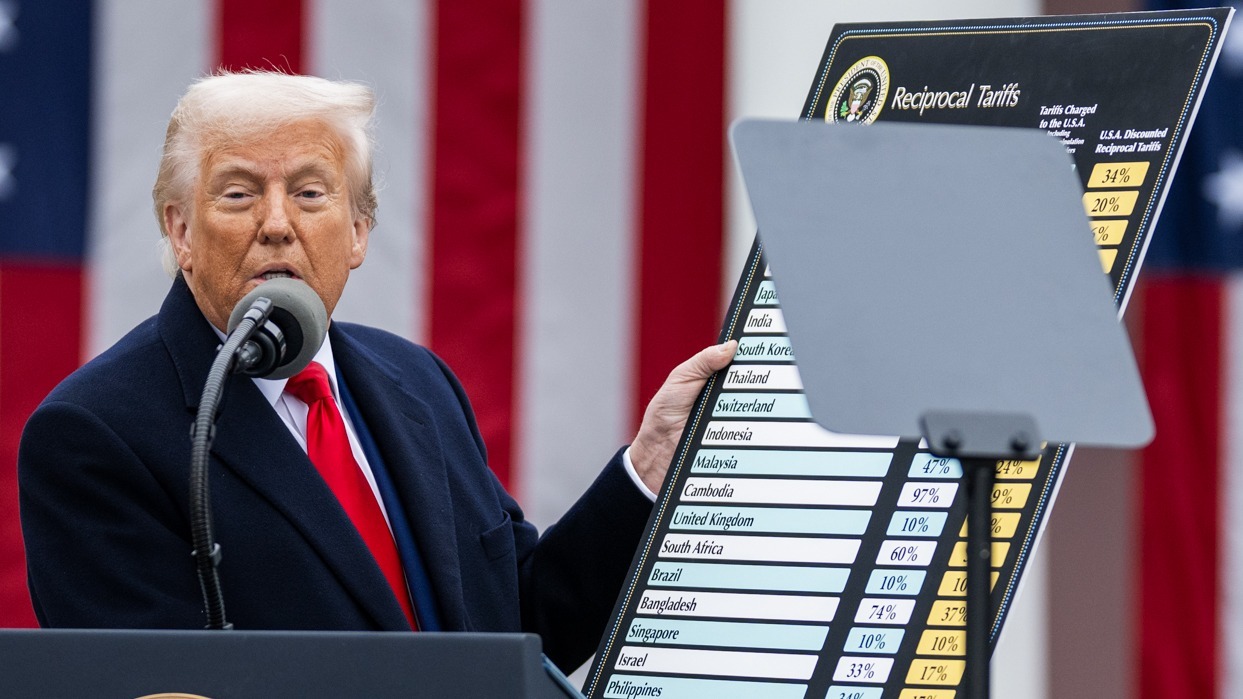
On February 20, 2026, the Court issued its ruling in Learning Resources v. United States, holding that the International Emergency Economic Powers Act (IEEPA) does not grant the president authority to impose tariffs. The 6-3 decision, which followed oral arguments on November 5, 2025, effectively voided duties that had been collected on a sweeping range of imported goods since the tariffs first took effect.
Weeks later, the U.S. Court of International Trade ordered that all importers of record are entitled to benefit from the ruling, opening the door to the largest wave of customs refund claims in U.S. history.
$166 billion in refunds, and who collects
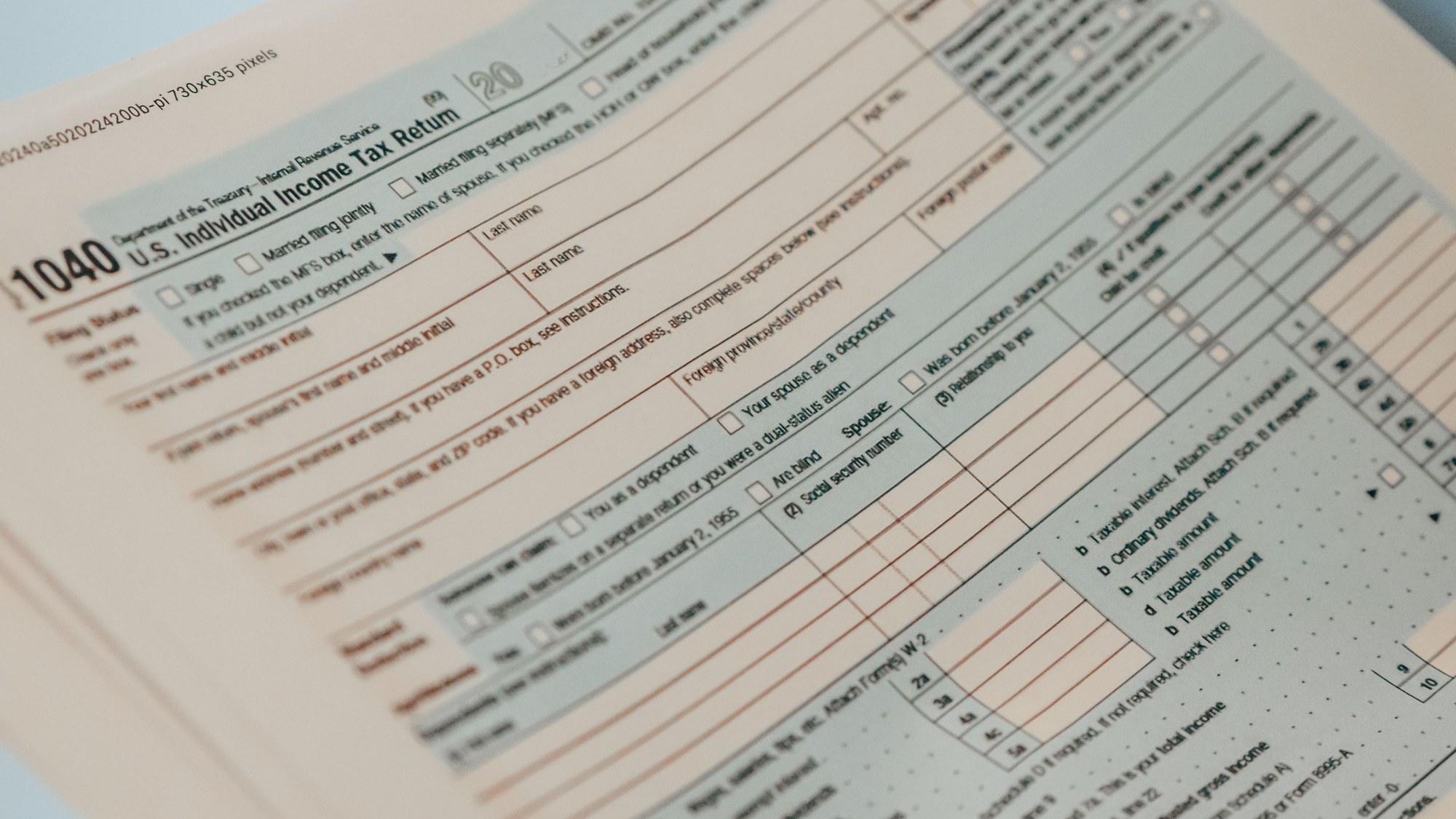
The scale is staggering. In a court filing dated March 4, 2026, CBP disclosed that more than 330,000 importers had made over 53 million customs entries and paid approximately $166 billion in IEEPA tariffs. A CBP official stated in the same filing that a new automated refund process could be operational within 45 days. The agency has since opened a portal through its Automated Commercial Environment system to begin accepting claims.
Phase 1 of the rollout covers unliquidated entries and those within a short window after final accounting. Businesses have already started filing. GM’s anticipated recovery, reported to be around $500 million based on public analyses of the company’s post-ruling financial outlook, illustrates how the largest importers stand to gain the most. For a company of that size, the refund flows straight to the balance sheet and could boost quarterly earnings, with no obligation to cut vehicle prices for buyers who already paid inflated stickers.
Smaller importers face a different reality. Companies with large customs compliance teams will likely move to the front of the line, while mid-size retailers and small manufacturers may struggle to reconstruct years of entry records under tight deadlines. No trade association has published data on how many of the 330,000 eligible businesses have the administrative capacity to file claims quickly, raising the prospect that a significant share of the refund pool will be claimed by the biggest players.
Why consumers are shut out
The Court of International Trade order grants relief to importers of record, not to the downstream purchasers who ultimately bore the cost. Under that legal structure, American households have no direct claim to any portion of the $166 billion.
Economists have broadly agreed for years that tariffs function as a consumption tax. A widely cited 2019 study by Mary Amiti, Stephen Redding, and David Weinstein, researchers at Columbia, Princeton, and the Federal Reserve Bank of New York, found that the cost of earlier rounds of U.S. tariffs fell “almost entirely” on American buyers. The Tax Foundation separately estimated that tariff-related costs added hundreds of dollars per year to the average household’s spending.
But no consumer protection agency or independent study has yet quantified exactly how much of the IEEPA-specific tariffs was passed through to shoppers versus absorbed by importers’ profit margins. That absence matters. Without hard data, the consumer impact remains inferred rather than measured, and it gives both lawmakers and corporations cover to avoid the question entirely.
As of June 2026, no legislative proposal to create a consumer rebate mechanism has been introduced. Designing one would require tracing which specific products carried the voided tariffs and which households purchased them, a level of transaction-level detail that retailers and payment processors do not typically maintain in a form that can be matched to individual customs entries. The practical barriers are steep. But the political silence is just as striking.
Open questions that will shape what happens next
Several major uncertainties remain unresolved, and each one will determine how this $166 billion story plays out for businesses and consumers alike.
Refund timeline. CBP’s 45-day estimate for the automated system was a projection, not a guarantee. Approval rates, dispute procedures, and the treatment of liquidated entries beyond Phase 1 have not been detailed in any public filing. Importers waiting on large sums are planning around a deadline that may shift.
Older entries. Reopening entries from earlier in the tariff period, reconciling prior audits, and coordinating across agencies remain largely opaque processes. Importers that changed suppliers, restructured, or closed during the tariff years may find it difficult to reconstruct the documentation needed to claim refunds.
Corporate use of refunds. Nothing in the court decisions or CBP guidance requires companies to pass recovered tariff costs to customers. Public companies face investor pressure to maximize returns, and so far no major importer has announced plans to lower prices or issue retroactive credits to buyers.
Congressional response. The administration has not publicly outlined its next steps. No member of Congress has introduced legislation to either compensate consumers or re-authorize the voided tariffs under a different legal authority. Consumer advocacy groups, including Public Citizen and the Consumer Federation of America, have called for congressional hearings, but neither chamber has scheduled one.
$166 billion returned, zero dollars to the people who paid
The documented facts are straightforward. The Supreme Court declared the IEEPA tariffs illegal. CBP is now returning the money to the companies that wrote the checks. And the consumers who funded those tariffs through years of higher prices on groceries, electronics, clothing, and cars have no legal claim, no rebate mechanism, and, so far, no political champion pressing the case on their behalf.
The refund process will take months to play out. How companies spend the windfall, whether any of it reaches store shelves as lower prices, and whether Congress treats the consumer side of this story as a problem worth solving are questions that remain entirely open. For now, the $166 billion is flowing in one direction only.