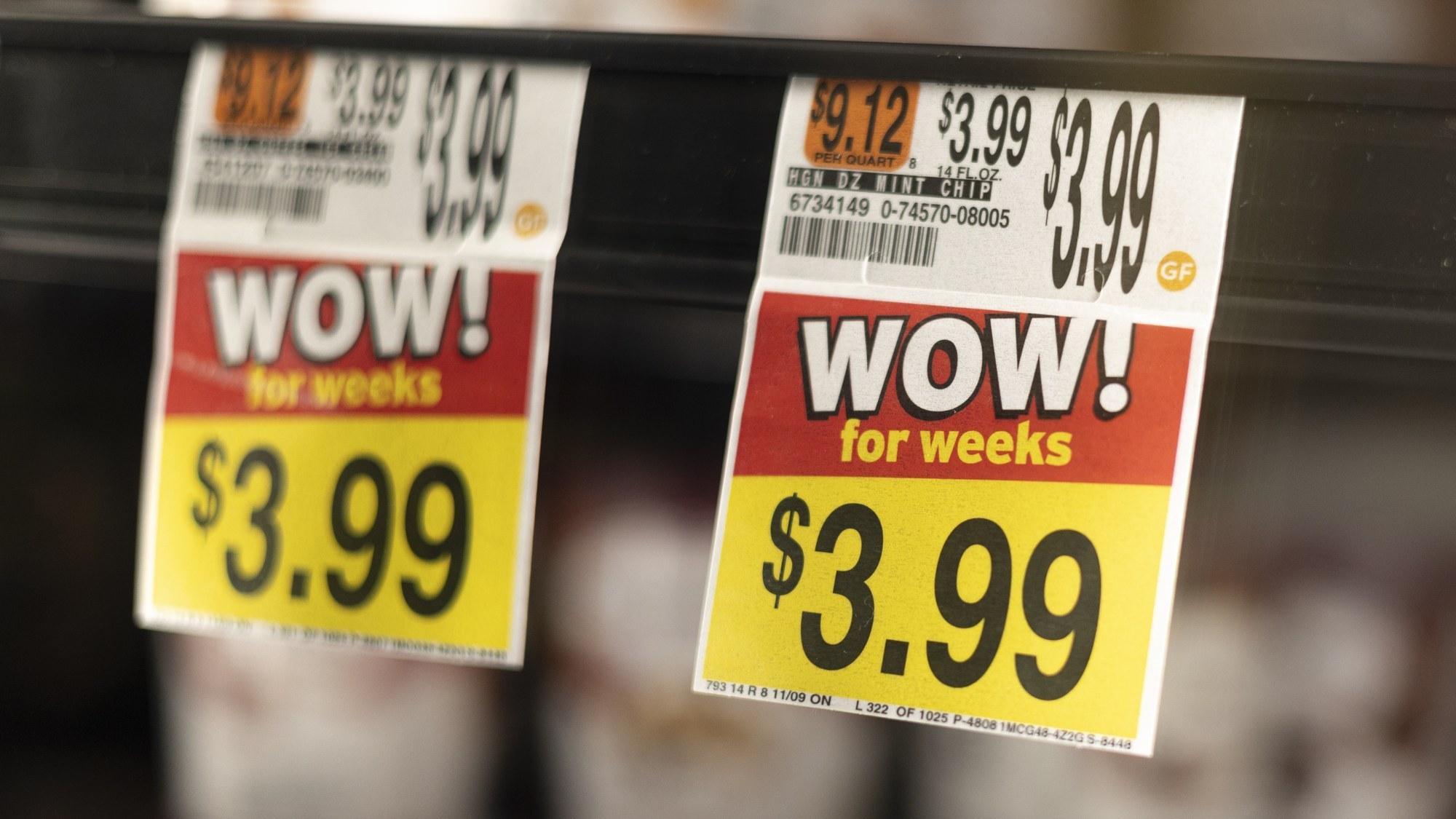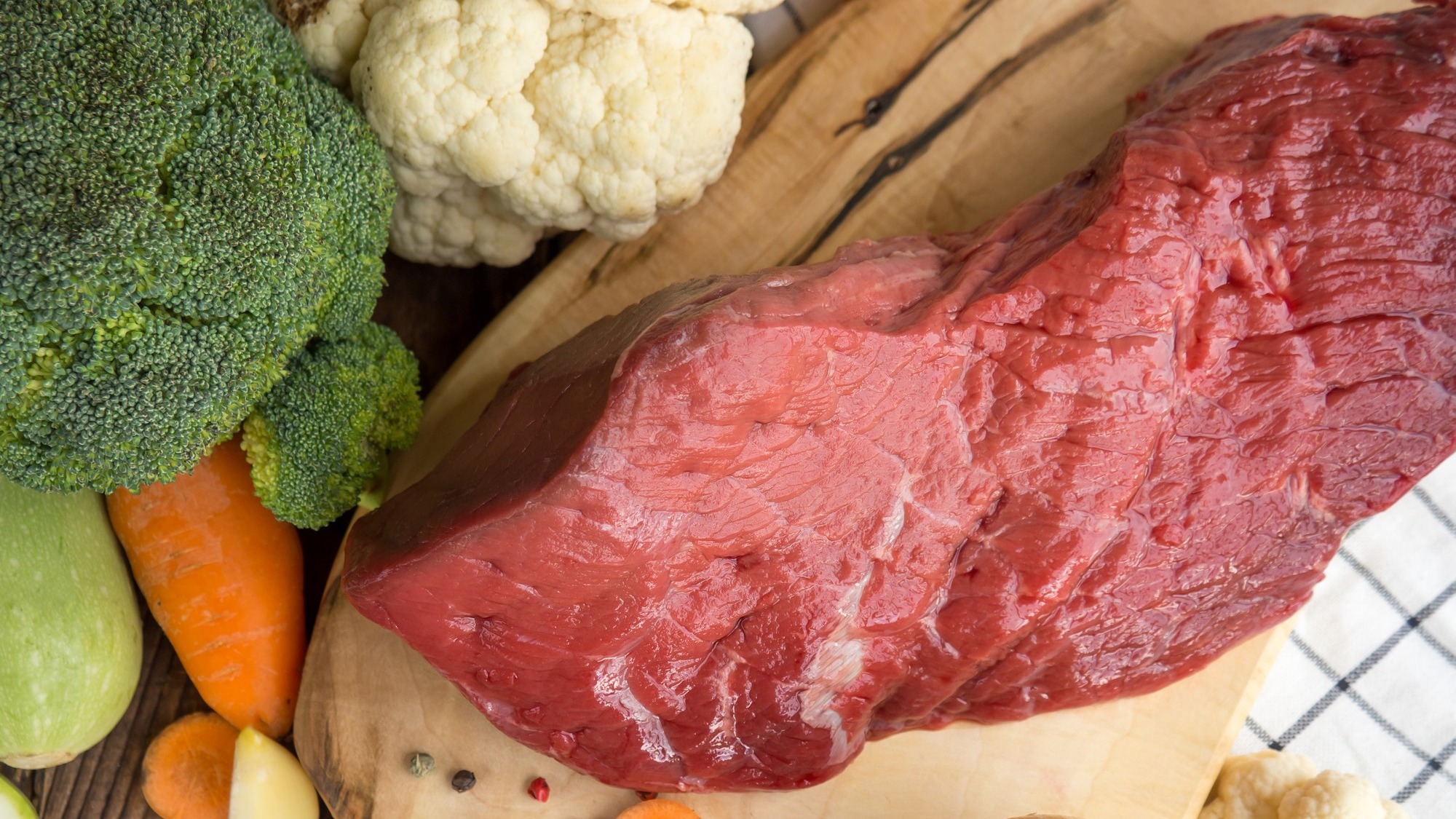
A pound of steak now costs more than it ever has in the 40 years the federal government has been tracking the price. The Bureau of Labor Statistics reported in its most recent monthly release that the average retail price for steak (cuts other than round or sirloin, a category covering ribeyes, T-bones, and porterhouses) reached $12.74 per pound, surpassing both the 2014 drought-era peak and the 2021 pandemic supply crunch. As of spring 2026, the number is still climbing.
The reason is not complicated, but it is slow to fix: the United States has fewer cattle than at any point since the early 1960s, and growing a herd back is a multi-year project. The USDA’s Economic Research Service projects that beef and veal prices will rise an additional 6.3 percent on average this year, with the upper bound of its forecast interval pushing into double-digit territory, particularly as demand firms up heading into fall. For families who have already watched grocery bills swell for four straight years, the meat case has become one of the most punishing sections of the store.
Four decades of data, and nothing like this
Every month, BLS field agents collect transaction prices from thousands of supermarkets, warehouse clubs, and independent grocers across the country. The resulting averages, published by cut, form one of the most granular records of what Americans actually pay for food. The steak series that hit $12.74 dates to the mid-1980s. No prior reading, whether adjusted for inflation or not, comes close.
The climb has been steep even by recent standards. As recently as mid-2024, the same category averaged roughly $10.50 a pound. That means shoppers are paying about 20 percent more in under two years, a pace that outstrips the broader grocery inflation rate by a wide margin. The acceleration reflects a supply squeeze the USDA has been flagging since at least 2023.
Why the cattle shortage will not ease quickly
The core problem is the shrinking national herd. The USDA’s January 2025 Cattle inventory report counted roughly 87.2 million head of cattle and calves in the United States, the lowest January 1 total since 1961. Years of severe drought across the Southern Plains and parts of the Southeast forced ranchers to sell breeding cows they could no longer afford to keep on parched pasture. High feed-grain costs made the math even worse, pushing many cow-calf operators to liquidate rather than hold animals through another dry summer.
That liquidation creates a paradox cattle economists have documented across every cycle. Sending more cows to slaughter temporarily boosts the beef supply and can hold wholesale prices in check for a season or two. But every breeding cow that ends up at a packing plant is one fewer animal producing calves for future years. The payoff is a delayed but severe supply crunch, and that is exactly what is hitting retail shelves now.
Rebuilding is inherently slow. A heifer retained today will not produce a market-weight calf for roughly two and a half to three years. Even if ranchers began aggressively holding back replacement heifers in 2025, meaningful new beef production would not reach consumers until 2028 at the earliest. Some regions have seen improved rainfall, which helps pasture recovery, but the USDA notes that heifer retention rates vary sharply by state and that national herd expansion has not yet started in earnest.
The USDA’s forecast through fall 2026
The agency’s Food Price Outlook, updated monthly by ERS, places the central estimate for the 2026 beef and veal Consumer Price Index increase at 6.3 percent on an annual average basis. But the prediction interval, which accounts for uncertainty around weather, trade flows, and consumer demand, stretches higher. In months when seasonal demand peaks, especially September and October as football tailgating and holiday entertaining ramp up, year-over-year gains could approach or exceed 10 percent if conditions break the wrong way.
Several factors could push prices toward that upper bound. If drought returns to cattle country this summer, pasture conditions will deteriorate and force another round of herd liquidation, tightening supply further. Strong export demand from Japan and South Korea, two of the largest buyers of U.S. beef, would also keep competition for a limited supply intense. On the other side, a large feed-grain harvest or a meaningful pullback in consumer spending could keep gains closer to the midpoint of the range.
Trade policy adds yet another variable. Tariff disputes and retaliatory duties on American beef exports have periodically disrupted international sales in recent years. Any escalation could redirect supply back to the domestic market and temporarily soften retail prices, while smoother trade conditions would keep export demand competing with U.S. shoppers for a shrinking pool of product.
Imports are rising, but not enough to close the gap
The U.S. is not an island when it comes to beef. Imports from Australia, Brazil, New Zealand, and Canada have increased as domestic production has fallen, helping to partially offset the shortfall, particularly for ground beef and processing-grade cuts. But imported beef cannot fully substitute for the grain-finished steaks American consumers prefer, and trade agreements, tariff schedules, and food-safety inspection requirements all limit how quickly import volumes can scale. The USDA’s own projections assume higher imports in 2026 and still forecast rising retail prices, a sign that foreign supply alone will not solve the problem.
Where the money goes between ranch and register
Record prices at the meat case do not mean record windfalls for the ranchers raising cattle. The USDA’s meat price spreads data show that the gap between the farm value of cattle and the retail value of beef has widened over the past several years. Processing, transportation, cold-chain logistics, labor, and retail margins all claim a share, and those costs have risen alongside broader inflation.
Cow-calf operators have seen higher revenue per head, but many report that the gains are eaten up by the cost of feed, fuel, fencing, veterinary care, and land leases. The disconnect frustrates both sides of the transaction: consumers see record prices and assume someone is getting rich, while producers see record input costs and wonder where the money went.
How shoppers and retailers are adapting
The BLS does not directly measure how many households have swapped steak for chicken thighs, but the circumstantial evidence is hard to miss. Boneless chicken breast still averages well below $5 a pound nationally, and pork chops sit closer to $4.50, making both dramatically cheaper per serving than any steak cut. USDA production forecasts show poultry output continuing to expand in 2026, which should keep chicken prices relatively stable even as beef climbs.
Inside stores, the shift is visible. Industry reports from the first quarter of 2026 describe consumers trading down to cheaper beef cuts like chuck roast and ground beef, buying smaller packages, or skipping the beef section entirely on some trips. Ground beef, while also more expensive than a year ago, remains far more affordable than steak and has absorbed a significant share of the demand that would otherwise flow to premium cuts. Restaurants, meanwhile, have been adjusting portion sizes and menu prices, with some steakhouse chains quietly trimming the weight of their signature cuts rather than pushing ticket prices even higher.
A price floor, not a ceiling
The outlook through the rest of 2026 points in one direction, even if the exact magnitude remains uncertain. Cattle supplies are tight and will stay tight. The USDA expects beef prices to keep rising. And the structural force behind the shortage, a years-long contraction in the breeding herd, cannot be reversed on any timeline that helps someone shopping for a Fourth of July brisket or a Labor Day strip steak.
For budget-conscious households, the practical response is flexibility: leaning on chicken and pork when beef prices sting, choosing ground beef or stew cuts over premium steaks, and watching store circulars for loss-leader sales. For anyone hoping that steak prices will snap back to pre-pandemic levels, the cattle cycle offers a hard reality. Herds rebuild slowly, calves grow on their own schedule, and $12.74 a pound looks less like a peak than a new starting point.